Loose Diamonds vs Set Diamonds: Cost Differences, What Affects Price, and Buyer Considerations
-
- Published Updated
- 1,226 views
The decision to buy loose diamonds or diamonds already set in jewelry often comes down to price, quality, and intended use. Loose diamonds are sold without a setting and carry a price determined primarily by the 4Cs (carat, cut, color, clarity), while diamonds in finished jewelry include additional costs such as mounting, labor, retail markup, and design. This article examines whether loose diamonds are more expensive than set diamonds and explains the key factors that influence price.
- Loose diamonds often have a clearer price tied to the 4Cs and certification, while set diamonds include mounting and retail margins.
- Price differences depend on certification, retailer markup, setting complexity, and whether the diamond is natural or lab-grown.
- Wholesale or custom settings can narrow gaps; resale values and appraisal outcomes may differ between loose and set stones.
Loose diamonds: price compared to set diamonds
How the base price of a diamond is determined
Pricing for loose diamonds starts with standard grading criteria—carat weight, cut quality, color grade, and clarity grade—along with fluorescence and proportions. Certified grading reports from recognized gemological laboratories are central to establishing a market price. The Gemological Institute of America (GIA) is among the widely referenced labs; certificates from reputable labs add transparency to the loose-diamond price.
What a setting adds to the total cost
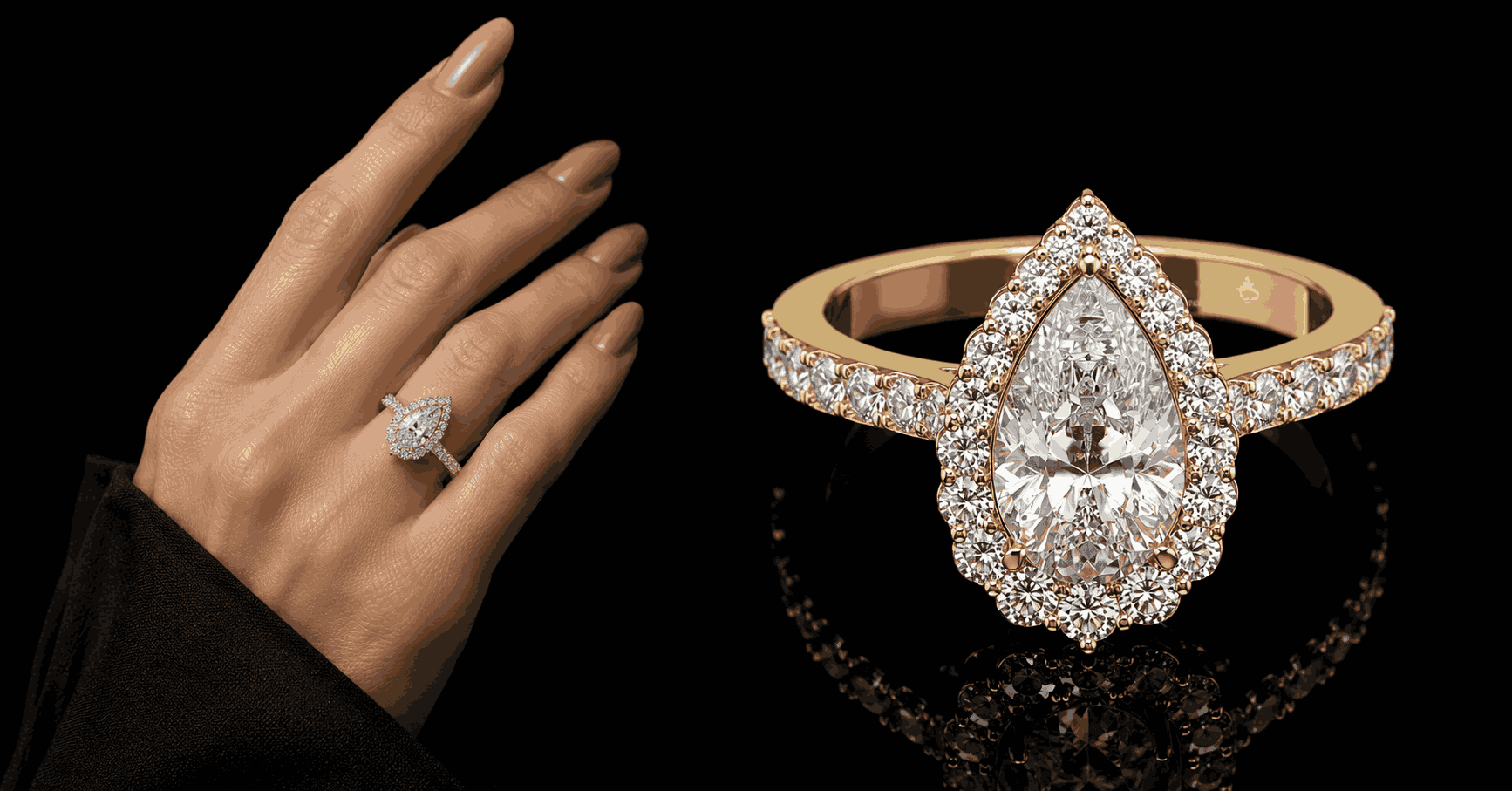
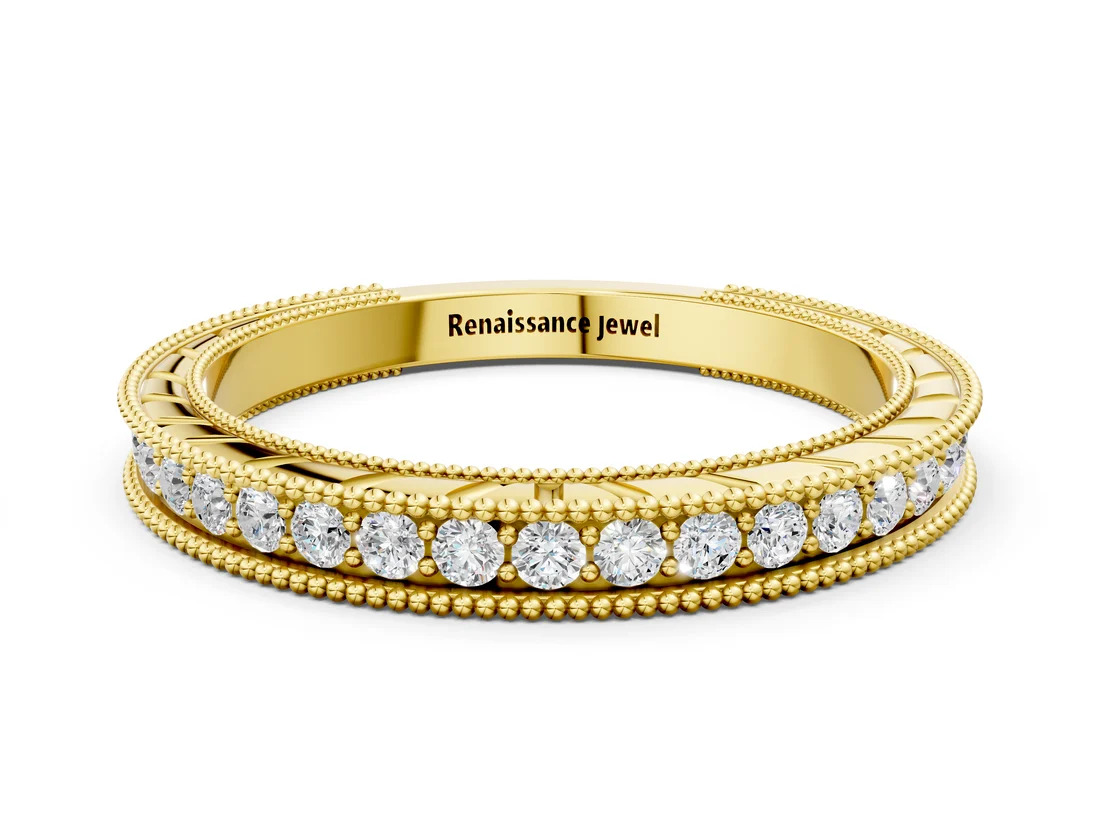
Diamonds already set in jewelry include extra components that increase the final retail price: metal (gold, platinum, silver), side stones, design and artisan labor, and overhead. Custom or designer settings and intricate pavé or halo work add materially to cost. These additional elements can make a piece with a modest diamond cost more than the same loose stone on paper.
Factors that make loose diamonds appear more or less expensive
Certification and transparency
Loose diamonds are often sold with a detailed grading report, which can justify a higher per-carat price because buyers can compare like-for-like. Lack of certification, or a certificate from a less-established lab, reduces price certainty. Retailers selling set pieces sometimes include uncertified stones or consolidated pricing that obscures the diamond’s individual cost.
Retail markup and distribution channels
Retail jewelry stores typically add markups to cover showroom expenses, staff, and warranties. Buying loose diamonds from wholesalers or online diamond dealers may offer lower per-carat prices, though additional costs for a setting will apply. Conversely, some finished jewelry is priced competitively because retailers bundle materials and services to appeal to end consumers.
Setting quality and craftsmanship
The type of setting affects total price: a simple bezel or prong mount may cost less, while custom settings, hand engraving, or premium metal alloys increase the retail price. A well-crafted setting also protects and displays a diamond better, which can affect perceived value.
Natural vs. lab-grown diamonds
Lab-grown diamonds generally sell for lower prices than comparable natural diamonds. Whether a diamond is loose or set, the origin influences market value. Disclosures about origin are regulated in many jurisdictions; for guidance on trade practices, consult the U.S. Federal Trade Commission’s resources on jewelry labeling and advertising.
When loose diamonds are more expensive
Higher per-carat cost due to certification and rarity
A certified, high-clarity, excellent-cut loose diamond can command a strong per-carat price that, when compared to mass-market jewelry with lower-grade stones, makes the loose option more expensive upfront. Collectors and buyers seeking a very specific grading profile may pay premiums for the exact loose stone they want.
Premiums for provenance and inscriptions
Loose stones with laser inscriptions, provenance documentation, or additional testing (e.g., fluorescence, origin reports) can carry additional fees that increase cost relative to a similar-looking set stone without documentation.
When diamonds set in jewelry are more expensive
Design and metal costs
High-end settings, designer labels, or pieces made from large quantities of precious metal raise the total price. Jewelry brands may add significant markup for branding, warranty, and retail experience, making the finished piece cost more than the loose diamond alone.
Convenience and immediate use
For buyers prioritizing convenience—immediate wearability and authentication combined—purchasing a set piece can justify a higher total outlay even when the underlying diamond price is lower.
Other practical considerations
Resale and appraisal differences
Resale values often differ from purchase prices. Loose diamonds with certification may appraise more predictably than stones removed from older settings. Appraisers and insurers typically reference recognized grading reports and current market conditions when valuing diamonds and jewelry.
Insurance, maintenance, and resizing
Costs for insurance, maintenance (prong tightening, cleaning), and resizing should be considered as part of total ownership cost; these are generally similar whether buying loose and having a setting made or buying finished jewelry, but initial setting labor varies.
How to compare prices effectively
Compare like-for-like using certificates
When possible, compare diamonds using certified grading reports and similar metal and setting specifications. Consider asking for itemized pricing: diamond cost plus setting labor, metal weight, and any added services. This makes transparency easier and helps isolate whether the loose diamond or the set piece is more expensive on a comparable basis.
Frequently asked questions
Are loose diamonds more expensive than diamonds already set in jewelry?
Not always. Loose diamonds can show a higher per-carat price when they are certified, high grade, or rare, but diamonds already set in jewelry may be more expensive overall because of the setting, metal, designer fees, and retail markup. The total cost depends on grading, certification, setting quality, and the sales channel.
Does certification affect whether a loose diamond is worth more?
Yes. Certification from a recognized lab generally increases buyer confidence and can raise the market price of a loose diamond compared with uncertified stones embedded in jewelry.
Can buying a loose diamond and then having a setting made save money?
Potentially. Buying a loose diamond from a lower-overhead source and commissioning a separate setting may lower total purchase cost, but material and labor costs for settings vary; budgeting for both parts is important for a fair comparison.
How do lab-grown diamonds compare in price between loose and set options?
Lab-grown diamonds typically cost less than natural diamonds per carat regardless of whether they are loose or set. Market dynamics and retailer strategies influence final prices for finished jewelry containing lab-grown stones.
Where to find authoritative information about diamond grading?
Authoritative information on diamond grading and reports can be found at recognized gemological laboratories and consumer protection agencies; see the Gemological Institute of America for grading standards and the U.S. Federal Trade Commission for guidance on jewelry advertising and disclosure practices.