Maheshwari Saree: An Informative Overview - vimusarees.com
-

- March 25th, 2026
- 7,722 views
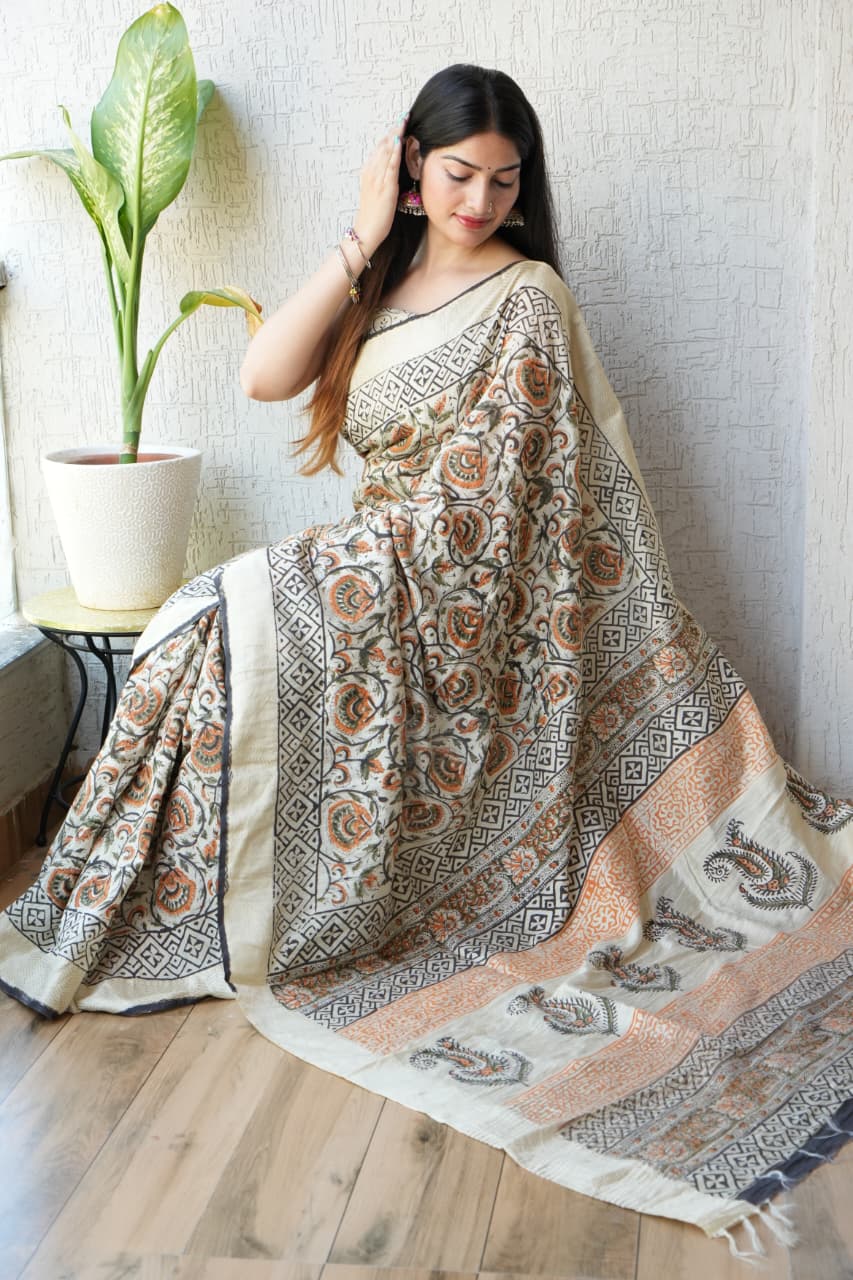
Maheshwari sarees are among the most famous traditional handloom sarees of India. Known for their elegance, lightweight texture, and beautiful borders, these sarees represent the rich textile heritage of the country. They originated from the historic town of Maheshwar in Madhya Pradesh and have been admired for centuries for their fine craftsmanship and graceful appearance. Today, Maheshwari sarees continue to be an important part of Indian culture and fashion.
Origin and History
The history of Maheshwari sarees dates back to the 18th century during the rule of Queen Ahilyabai Holkar, the respected ruler of the Malwa region. She was known for her dedication to art, culture, and social development. When she made Maheshwar her capital, she wanted to encourage local crafts and provide employment opportunities for artisans.
To achieve this goal, she invited skilled weavers from different regions of India and encouraged them to settle in Maheshwar. These artisans began experimenting with different weaving techniques and designs. With the support of the queen, they developed a unique style of saree that combined beauty, comfort, and durability. This marked the beginning of the Maheshwari saree tradition.
Initially, these sarees were worn by royal families and members of the court. Over time, their popularity spread across different parts of India. Today, Maheshwari sarees are appreciated by people who value traditional handloom textiles and elegant clothing.
Fabric and Materials
Maheshwari sarees are traditionally made using a combination of silk and cotton threads. This blend creates a fabric that is both comfortable and attractive. Cotton provides softness and breathability, making the saree suitable for warm weather and long hours of wear. Silk adds a gentle shine and strength to the fabric, enhancing its overall appearance.
Because of this balanced combination, Maheshwari sarees are lightweight and easy to drape. They are comfortable enough for daily use but also elegant enough for special occasions. Over time, weavers have also started producing Maheshwari sarees using pure silk or pure cotton, depending on customer preferences.
Weaving Technique
The weaving of Maheshwari sarees is done using traditional handloom methods. Skilled artisans carefully interlace the silk and cotton threads to create the fabric. This process requires patience, precision, and years of experience.
Each saree is woven with great attention to detail, especially when creating the borders and decorative patterns. Unlike machine-made fabrics, handloom sarees carry a unique character because they reflect the individual craftsmanship of the weaver. Completing a single Maheshwari saree can take several days depending on the complexity of the design.
Handloom weaving is not only a profession for these artisans but also a tradition that has been passed down from generation to generation. Many weaving families in Maheshwar have continued this craft for centuries.
Design and Patterns
One of the most distinctive features of Maheshwari sarees is their elegant design. The sarees often include simple yet attractive patterns such as stripes, checks, and geometric shapes. These designs are woven directly into the fabric, which makes them long-lasting and visually appealing.
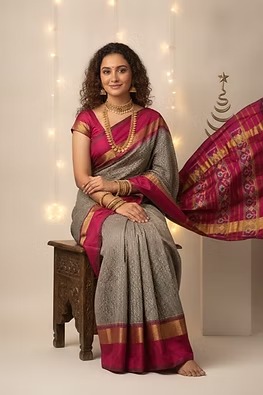
The borders and pallu of Maheshwari sarees are especially notable. They usually feature contrasting colors and intricate patterns that enhance the beauty of the saree. Many of these designs are inspired by the architecture of Maheshwar, including the patterns seen in temples, palace walls, and ghats along the Narmada River.
The color combinations used in Maheshwari sarees are also unique. Traditional shades include deep purple, maroon, green, mustard, and black, often combined with gold or silver borders. These colors give the saree a rich yet graceful appearance.
Types of Maheshwari Sarees
Over time, different varieties of Maheshwari sarees have developed depending on the materials used in weaving. The most common types include silk Maheshwari sarees, cotton Maheshwari sarees, and silk-cotton blend sarees.
Silk Maheshwari sarees are known for their luxurious texture and shiny finish. They are often worn during weddings, festivals, and special occasions. Cotton Maheshwari sarees are lighter and more breathable, making them ideal for everyday wear, especially in warm climates. The silk-cotton blend is the most popular type because it combines comfort with elegance.
Cultural Importance
Maheshwari sarees hold an important place in Indian cultural traditions. They are commonly worn during festivals, family gatherings, and religious ceremonies. Because of their elegant yet simple design, they are suitable for both formal and semi-formal occasions.
In recent years, Maheshwari fabric has also become popular in contemporary fashion. Designers are using this traditional fabric to create modern clothing items such as dupattas, kurtas, jackets, and dresses. This adaptation has helped bring Maheshwari textiles to younger generations while maintaining their traditional identity.
Supporting Handloom Artisans
The production of Maheshwari sarees supports many weaving families who rely on handloom work for their livelihood. Handloom weaving requires dedication, skill, and patience. However, traditional artisans often face challenges due to competition from machine-made textiles.
By purchasing authentic Maheshwari sarees, consumers help support these artisans and contribute to the preservation of India’s handloom heritage. Promoting traditional crafts is important not only for cultural reasons but also for sustaining the livelihoods of skilled weavers.
Conclusion
Maheshwari sarees are a beautiful representation of India’s rich textile tradition. Their elegant designs, lightweight fabric, and historical significance make them one of the most admired handloom sarees in the country. From their royal origins in Maheshwar to their presence in modern fashion, these sarees continue to reflect the artistry and dedication of Indian weavers.
Even today, Maheshwari sarees remain a symbol of grace, tradition, and craftsmanship. By appreciating and supporting this traditional weave, we help preserve an important part of India’s cultural heritage for future generations.