Exploring the Mandalay Spirit: Cultural Riches and Living Traditions
-

- Published Updated
- 1,548 views
The Mandalay Spirit describes a set of cultural meanings, artistic traditions, religious practices, and historical memories centered on Mandalay, Myanmar's last royal capital. The term "Mandalay Spirit" is used to express how language, crafts, performing arts, and urban sites combine to shape regional identity and public life in central Myanmar.
- Origins: rooted in the 19th-century Konbaung dynasty and Mandalay as a royal and religious center.
- Visible in arts: lacquerware, puppetry, traditional music, and classical dance.
- Places: Mandalay Palace, Kuthodaw Pagoda, U Bein Bridge and monastic learning communities.
- Contemporary relevance: cultural preservation, tourism, and community festivals.
Mandalay Spirit: history and cultural context
Historical background
Mandalay emerged as a planned capital in 1857 under King Mindon and quickly became the political, religious, and cultural center of the Konbaung dynasty. Palatial architecture, court rituals, and monastic scholarship established patterns that continue to inform local customs. Mandalay's role as a repository of manuscripts and a center for Buddhist study contributed to long-term cultural continuity.
Language, religion, and identity
The Burmese language and Theravada Buddhism are central to how the Mandalay Spirit is expressed. Monastic life and pagoda-centered festivals structure the civic calendar, and ritual practices remain important for social cohesion. Local institutions such as the Ministry of Religious Affairs and Culture of Myanmar oversee heritage policy and religious administration, while universities and international scholars document and study these traditions.
Traditional arts and crafts
Lacquerware and woodcraft
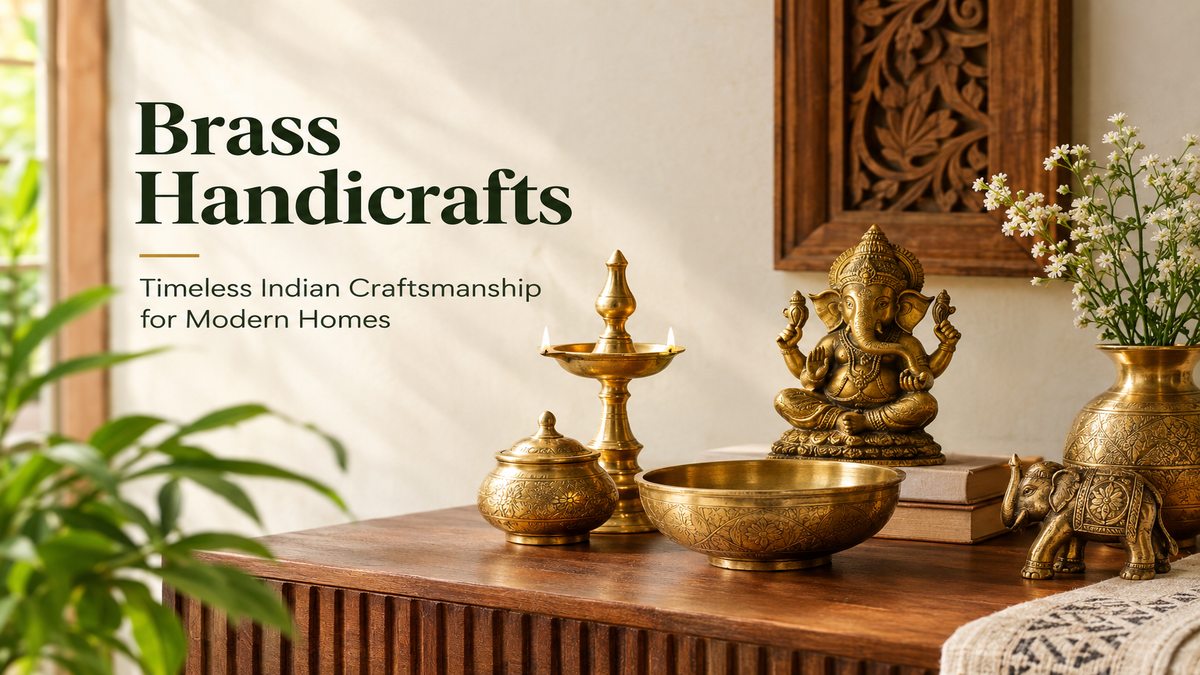
Mandalay lacquerware is noted for fine inlay, gold leaf, and multiple-layer polishing techniques that produce durable, glossy surfaces. Wood carving and gilding reflect court tastes inherited from the palace workshop system. These crafts are preserved both by family workshops and vocational training programs.
Puppetry, music, and dance
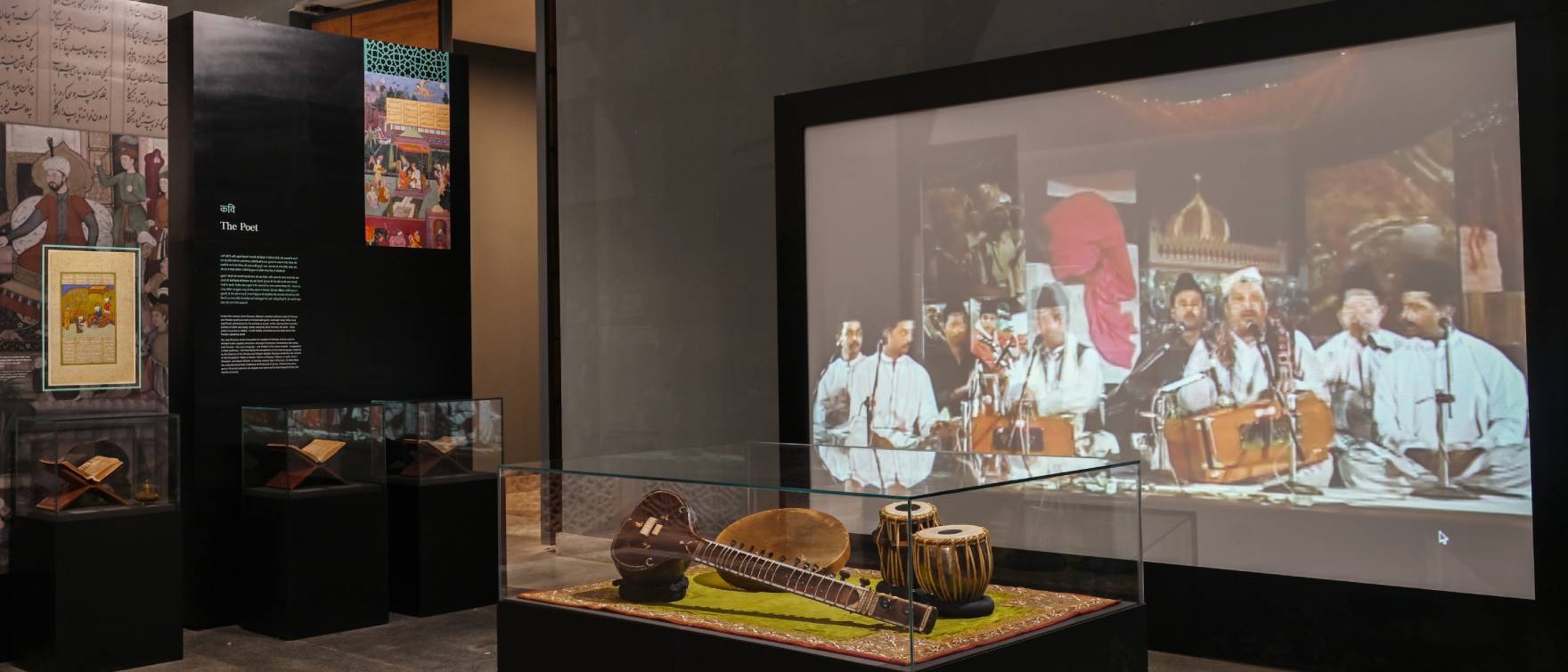
Classical Burmese music, hsaing waing percussion ensembles, and marionette (puppet) theater are integral expressions of the Mandalay Spirit. Repertoires include court dramas, Jataka tales, and seasonal performances tied to lunar festivals. Training often takes place in community centers and monastic schools that transmit technique and repertoire across generations.
Architecture, sites, and urban culture
Key landmarks
Important sites that embody the Mandalay Spirit include the palace compound, Kuthodaw Pagoda (home to a collection of inscribed marble slabs sometimes described as the world's largest book), and historic teak bridges such as U Bein Bridge. These locations attract researchers, pilgrims, and visitors interested in architectural forms, religious practice, and landscape use.
Monastic networks and manuscript traditions
Monastic libraries and manuscript collections have preserved commentarial literature, law, and ritual texts. Conservation and cataloging efforts are undertaken by local academic centers and international partnerships to protect fragile paper and palm-leaf manuscripts.
Festivals, cuisine, and daily life
Seasonal festivals and community rituals
Festival life—New Year (Thingyan), pagoda festivals, and Uposatha observances—reflects seasonal cycles and agricultural rhythms. Public offerings, merit-making ceremonies, and communal performances are opportunities for transmission of craft skills and oral histories.
Culinary traditions
Local cuisine uses rice, fish, and regional condiments; food markets and street vendors supply customary dishes that connect culinary practice to social gatherings, religious activities, and everyday commerce.
Preservation, tourism, and contemporary challenges
Cultural preservation efforts
Conservation initiatives are led by local cultural authorities, universities, and NGOs, focusing on heritage documentation, crafts training, and the conservation of monuments. International organizations sometimes provide technical support for conservation and archival projects.
Tourism and sustainable practice
Tourism provides economic opportunities but also raises questions about authenticity, site management, and community benefit. Visitor education, community-led tourism models, and heritage regulations aim to balance access with preservation.
For further information on cultural heritage standards and preservation principles, consult UNESCO's resources on cultural heritage and safeguarding practices (UNESCO).
Learning more and respectful engagement
How to learn responsibly
Engage with local cultural centers, licensed guides, and community organizations. Respect dress codes at religious sites, seek permission before photographing people during private rituals, and support authentic artisans and educational programs.
Research and academic resources
Academic institutions specializing in Southeast Asian studies, ethnomusicology, and conservation publish studies on Mandalay's arts and history. Libraries and digital archives offer access to manuscript catalogs and photographic records for deeper study.
Conclusion
The Mandalay Spirit encompasses a layered mix of royal history, religious life, artistic skill, and community practice. Understanding it requires attention to tangible sites—palaces, pagodas, craft workshops—and intangible elements such as music, ritual, and local knowledge. Preservation and respectful engagement help ensure these cultural riches remain accessible to future generations.
What is the Mandalay Spirit?
The Mandalay Spirit refers to the combined cultural, religious, and artistic traditions centered on Mandalay, expressed through crafts, performance, architecture, and communal rituals.
Where can key Mandalay sites be visited?
Primary sites include Mandalay Palace, Kuthodaw Pagoda, Shwenandaw Monastery, and U Bein Bridge in nearby Amarapura. Many sites are open to visitors, though access rules and opening hours vary.
How can visitors support local cultural preservation?
Support may include hiring local guides, purchasing directly from artisans, participating in community-run cultural programs, and following local conservation guidelines set by cultural authorities.
Are there resources for academic or practical study?
Universities with Southeast Asian studies programs, museum collections, and published ethnographic research provide reputable starting points. Local cultural ministries and library catalogs also hold primary materials and conservation reports.