Projense – ERP Software for Manufacturing
-
- April 13th, 2026
- 5,697 views

FREE SEO Topical Map Generator: Find Your Next Content Ideas
How ERP Software Helps Retailers Manage Inventory and Sales EfficientlyIn the modern retail industry, managing inventory and sales efficiently is essential for maintaining smooth business operations and satisfying customer demands. Retailers must constantly monitor product availability, track sales performance, manage suppliers, and maintain accurate financial records. When these processes are handled manually or through disconnected systems, it can lead to operational inefficiencies, stock shortages, and lost sales opportunities. To overcome these challenges, many retailers are implementing Enterprise Resource Planning (ERP) software. ERP systems integrate various retail functions into a single platform, allowing businesses to manage inventory and sales more effectively. Advanced ERP solutions provided by companies like Projense help retailers streamline their operations and improve overall business performance.
ERP software connects different departments such as sales, inventory, procurement, and finance, enabling seamless communication and data sharing across the organization. This integration allows retailers to maintain accurate records and respond quickly to changing market demands.
Real-Time Inventory Tracking
One of the most important advantages of ERP software is real-time inventory tracking. Retailers must maintain accurate records of their stock levels to ensure that products are always available for customers.
ERP systems automatically update inventory levels whenever products are sold, returned, or restocked. This real-time visibility allows retailers to monitor stock availability across different store locations or warehouses.
By having up-to-date inventory information, businesses can avoid stock shortages and reduce the risk of overstocking products that may not sell quickly.
Automated Stock Replenishment
Managing stock replenishment manually can be challenging, especially for retailers dealing with large product inventories. Delays in restocking can lead to lost sales and dissatisfied customers.
ERP software includes automated stock replenishment features that notify retailers when inventory levels fall below a predefined threshold. The system can also generate purchase orders automatically to ensure that new products are ordered from suppliers on time.
This automation helps maintain optimal inventory levels and ensures that popular products remain available for customers.
Improved Sales Tracking and Analysis
Understanding sales performance is essential for retail success. Retailers must analyze which products are performing well and identify trends that influence customer purchasing behavior.
ERP software provides detailed sales tracking and reporting tools that allow retailers to monitor sales activities in real time. Businesses can generate reports that highlight product performance, daily sales figures, and seasonal trends.
These insights help retailers make informed decisions regarding product pricing, marketing strategies, and inventory planning.
Better Coordination Between Sales and Inventory
In many retail businesses, sales and inventory departments operate separately, which can lead to communication gaps. Sales teams may sell products that are no longer available in stock, leading to order cancellations or delayed deliveries.
ERP systems eliminate this problem by integrating sales and inventory management into a single platform. When a sale is recorded, the system automatically updates the inventory levels.
This integration ensures that employees always have access to accurate product availability information, reducing errors and improving customer satisfaction.
Efficient Multi-Store Management
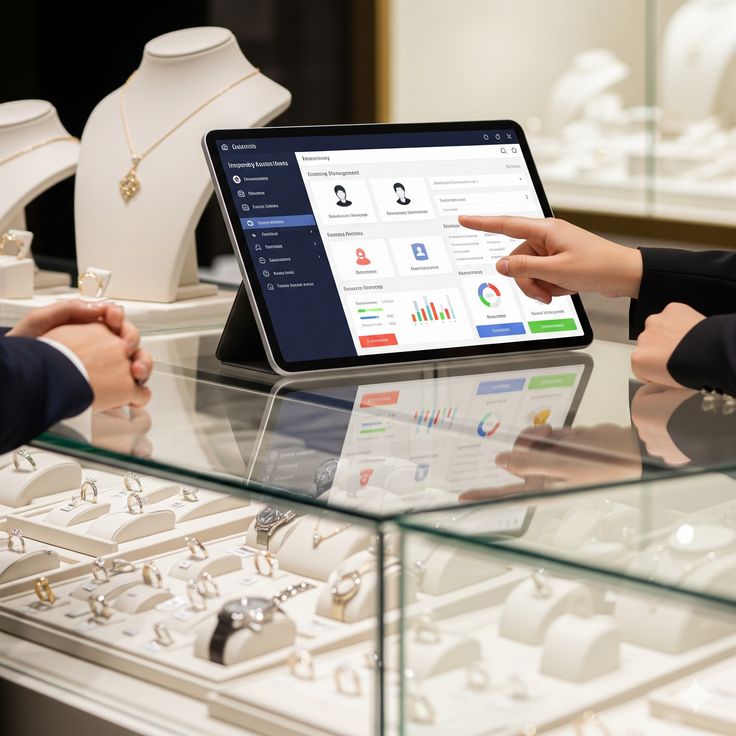
Many retail businesses operate multiple store locations or sell products through both physical stores and online platforms. Managing inventory and sales across multiple channels can be complicated without an integrated system.
ERP software provides a centralized platform for managing inventory and sales across all store locations. Retailers can track product movement between warehouses and stores, ensuring that each location has sufficient stock.
This centralized control allows retailers to maintain consistent inventory levels and improve supply chain coordination.
Faster Billing and Transaction Processing
Retail stores handle numerous transactions daily, especially during busy shopping periods. Slow billing processes can lead to long customer queues and reduced customer satisfaction.
ERP software integrates billing systems with inventory and sales modules, enabling faster transaction processing. When a product is scanned during checkout, the system automatically updates inventory records and generates the sales invoice.
Faster billing improves the shopping experience and allows retailers to serve more customers efficiently.
Data-Driven Decision Making
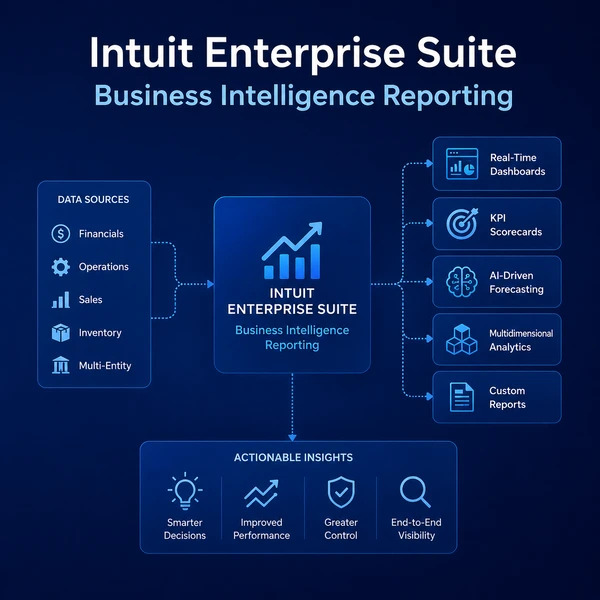
Retail businesses must continuously adapt to changing customer preferences and market conditions. ERP software provides powerful analytics and reporting tools that help retailers analyze operational data.
Retailers can review reports related to sales trends, inventory turnover rates, and customer purchasing patterns. These insights help businesses make strategic decisions regarding product assortment, promotional campaigns, and inventory planning.
Data-driven decision-making enables retailers to remain competitive in the rapidly evolving retail industry.
Reduced Operational Errors
Manual inventory and sales management systems are prone to errors such as incorrect stock counts, misplaced products, or inaccurate sales records. These errors can negatively affect business operations and customer satisfaction.
ERP software minimizes these risks by automating key processes and maintaining accurate digital records. Automated updates ensure that inventory and sales data remain consistent across all departments.
Reduced operational errors improve business efficiency and help retailers maintain reliable records.
Scalability for Retail Business Growth
As retail businesses grow, they often expand their product range, open new store locations, or enter online marketplaces. Managing these expanding operations requires a flexible system.
ERP software provides scalability that allows retailers to add new features, integrate additional sales channels, and manage larger product inventories. This ensures that the system continues to support business operations as the company grows.
ERP solutions offered by companies such as Projense are designed to adapt to the evolving needs of retail businesses.
- Transform Your Business Efficiency with Projense ERP
Projense offers powerful ERP Software designed to simplify business operations and improve overall productivity. With advanced features for inventory, finance, sales, and management, it helps businesses streamline their daily processes efficiently. Recognized as the Best ERP Software in Delhi and the Best ERP Software in Mumbai, Projense provides reliable and scalable ERP solutions that support companies in achieving better control, transparency, and growth in today’s competitive business environment.
Conclusion
Efficient inventory and sales management are essential for the success of retail businesses. ERP software provides an integrated platform that helps retailers track inventory in real time, analyze sales performance, and streamline business operations.
Features such as automated stock replenishment, faster billing, multi-store management, and data-driven reporting allow retailers to operate more efficiently and meet customer demands effectively. ERP solutions provided by Projense help retail businesses improve operational efficiency and achieve long-term growth.