Marble Grains: Natural Beauty That Enhances Every Space
-

- Published Updated
- 6,631 views
What Are Marble Grains and How Are They Formed?
Marble has always been one of the most admired natural stones in architecture and interior design. Its elegance, durability, and timeless appeal make it a preferred choice for homes, commercial buildings, and luxury spaces. Among its many characteristics, marble grains play a crucial role in defining its beauty and uniqueness.
Marble grains refer to the visible patterns, lines, and textures found on the surface of marble stone. These grains are formed over millions of years during a natural metamorphic process. When limestone is subjected to intense heat and pressure beneath the Earth’s surface, it transforms into marble. During this transformation, minerals such as clay, iron oxides, and silica become trapped within the stone. These minerals crystallize and form unique patterns known as marble grains.
Because of this natural formation, no two marble slabs are ever identical. Each piece carries its own distinct grain structure, making marble a highly unique and valuable material in construction and design. This natural variation is one of the main reasons marble continues to be preferred over artificial alternatives.
Types of Marble Grains and Their Design Importance
Marble grains vary widely depending on mineral content and formation conditions. They can be broadly categorized into fine, medium, and coarse grains.
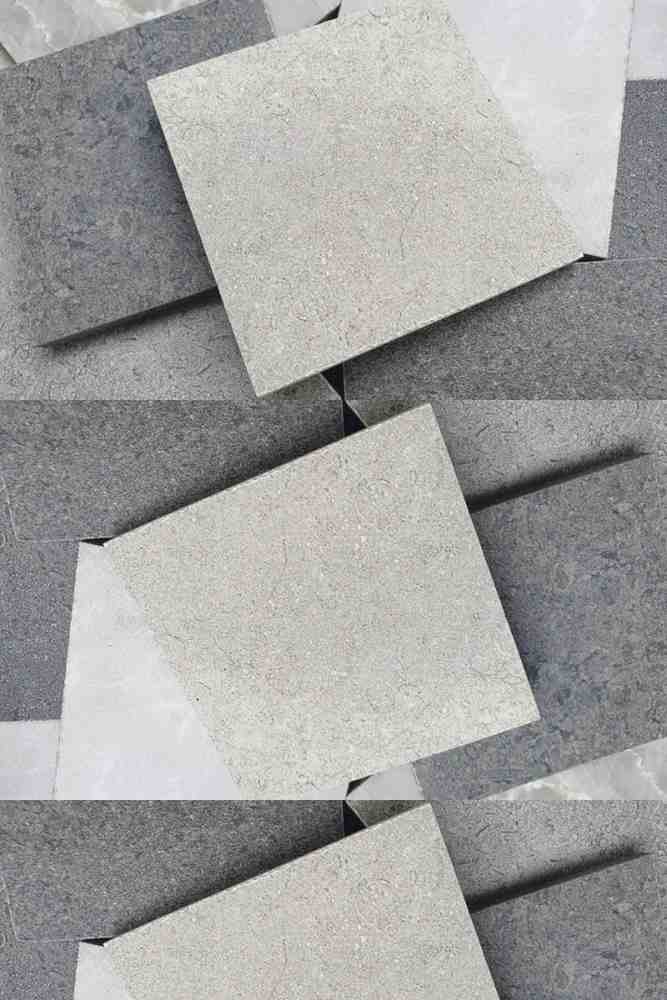
Fine marble grains create a smooth, uniform appearance. These are commonly used in modern minimalist interiors where simplicity and elegance are important. Medium grains provide a balanced look that works well in both traditional and contemporary spaces. Coarse marble grains create bold, dramatic patterns that are often used in luxury interiors, feature walls, and decorative flooring.
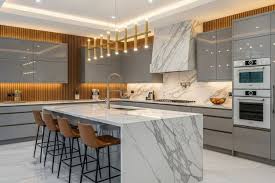
The appearance of marble grains plays a major role in interior design decisions. Designers carefully select marble based on grain patterns to match the mood of a space. For example, white marble with soft grey grains creates a calm and elegant environment, making it ideal for kitchens, bathrooms, and living areas. Dark marble with strong grain patterns adds richness and depth, making it suitable for hotels, offices, and luxury homes.
The direction of marble grains is also important. Continuous grain flow can make a space look larger and more connected, while irregular patterns add character and uniqueness to interiors.
Importance of Marble Grains in Quality and Value
Marble grains also help determine the quality and value of the stone. Marble with fine and uniform grains is often considered premium because it offers a smoother polish and consistent finish. Such marble is widely used in flooring, countertops, and wall cladding.
On the other hand, marble with bold or irregular grains is often used in decorative applications where natural character is more important than uniformity. This versatility allows marble to be used in a wide range of architectural projects.
Marble grains also influence how light interacts with the surface. Polished marble reflects light beautifully, enhancing brightness and making interiors appear more spacious. This natural reflection adds depth and elegance without the need for artificial decoration.
Maintenance and Long-Term Value of Marble Grains
Maintaining marble is essential to preserve the beauty of its grains. Since marble is a porous natural stone, it can absorb stains and moisture if not properly cared for. Regular cleaning with mild products and periodic sealing helps protect the surface and maintain its natural shine.
Over time, well-maintained marble develops a soft patina that enhances its appearance and highlights the grain patterns even more. This aging process adds character to the stone rather than reducing its beauty.
The demand for marble grains continues to grow in modern construction due to the increasing preference for natural and sustainable materials. Unlike synthetic surfaces, marble is eco-friendly, durable, and long-lasting. It not only enhances visual appeal but also increases property value.
In commercial spaces such as hotels, malls, and corporate offices, marble grains are used to create a premium and luxurious impression. Large slabs with continuous grain patterns are especially popular as they create seamless and sophisticated interiors.
Conclusion
Marble grains are more than just surface patterns—they are a reflection of nature’s creativity and geological history. From fine to coarse textures, each type of grain adds its own beauty and function to interior and architectural design. Their uniqueness, durability, and aesthetic value make marble one of the most trusted materials in the world. Whether used in homes or large commercial projects, marble grains continue to symbolize elegance, luxury, and timeless natural beauty.