Is That "Original Price" Real? How to Verify a Massage Chair Discount Before You Trust It
-

- Published Updated
- 1,743 views
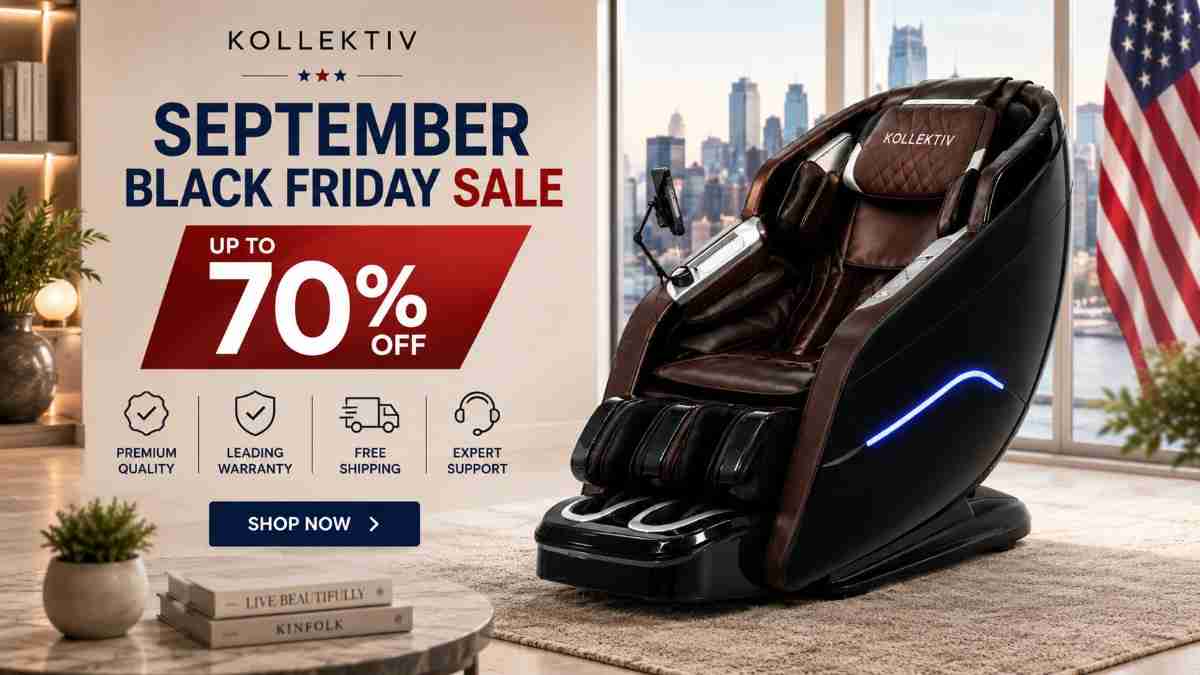
Quick answer: yes, September is a genuinely good time to buy a massage chair. Brands run their biggest promotional pricing during seasonal sales like this one, and Kollecktiv’s current September Black Friday Sale has models marked down as much as 70% off original list price. The catch is that “on sale” and “a good deal for you” aren’t the same thing – the discount only matters if the chair underneath it actually fits your body, your space, and how you plan to use it.
A discount is only meaningful if the number it's being calculated from is real. "70% off $9,999" sounds dramatic, but if $9,999 was never a price anyone actually paid, the discount is more theater than value. This piece focuses specifically on how to verify whether a massage chair's "original price" reflects genuine standard retail pricing, and how to compare chairs on real cost rather than the size of the percentage badge next to them.
Why This Question Matters More Than the Percentage Itself
Retailers across every category, not just massage chair sellers, sometimes set an inflated reference price specifically to make a markdown look larger than the actual savings involved. This isn't universal — plenty of sales reflect genuine seasonal markdowns off prices people actually paid earlier in the year — but it's common enough that verifying the reference price is worth the extra few minutes before a big percentage number shapes your decision.
Three Ways to Check If an Original Price Is Legitimate
Check whether the price has actually changed over time, not just this week. A chair that's shown the same "sale price" for months, with only the "original price" fluctuating around it, is a signal worth noticing. A genuinely temporary promotional price should look different from what the chair was priced at earlier in the year, not identical to it.
Compare the discounted price against the chair's actual feature set, not the brand's flagship pricing. A steep percentage off looks more impressive next to a high original price, but what actually matters is whether the final price is reasonable for what the chair includes — track length, airbag count, warranty terms — regardless of how large the markdown appears on paper.
Look at whether warranty and return terms are stated the same way regardless of the sale. A legitimate promotional price generally comes with the same standard terms as full-price purchases. If warranty coverage or return policy language shifts specifically during the sale period, that's worth a closer read before assuming the deal is as straightforward as the discount badge suggests.
Applying This to Specific Chairs in the Current Sale
Running this kind of check against real examples makes it more concrete. The Kollecktiv 208, for instance, is currently marked down from its original list price — worth comparing against its actual feature set (dual 4D mechanisms, automatic body scanning, customizable whole/partial/spot targeting) rather than the percentage alone, since that combination of features is genuinely uncommon at this price tier regardless of how the discount is framed.
Similarly, the Kollecktiv G18 includes specific mechanical additions — the 60° power calf and foot stretch, ankle rocking and rotation — that aren't standard across the category, which is a more reliable way to judge its current sale price than the discount percentage on its own.
At the lower end of the price range, the 4D Massage Chair is priced well below its original list price this event, and checking that against its actual specs — SL dual-track, 34-cell airbags, automatic body scanning — shows genuine value independent of what percentage badge is displayed.
And at the top of the lineup, the Kollecktiv 2024 carries real-time body sensing and an extended warranty that justify a higher price point even before the current sale pricing is factored in, which is a useful sanity check against the discount looking artificially generous.
When Comparing Discounts Across Chairs Actually Makes Sense
Comparing percentage-off figures only becomes useful once you've confirmed you're looking at chairs with comparable feature sets. If you're genuinely torn between models, it's worth comparing the 4D Massage Chairs collection directly against each other rather than against a single flagship chair's discount, since comparing similarly-tiered chairs gives you a much more honest read on which specific discount represents the better actual value.
The same logic applies moving up in price — if you're specifically considering a Luxury Massage Chair Recliner, comparing its sale price against other chairs in that same tier tells you more than comparing it against an entry-level chair's much larger-looking percentage off a much smaller original price.
A Simple Rule of Thumb
If a discount feels too good to evaluate quickly, that's usually a sign to slow down rather than move faster. A legitimate massage chair deal should hold up under a few minutes of scrutiny — checking the price history, comparing the final cost against comparable chairs, and confirming warranty terms haven't quietly changed. The full massage chair sale page lists current pricing across the lineup, which is the most reliable place to check a specific model's actual discount rather than relying on a general "up to X% off" headline figure alone.
FAQ
How can I tell if a massage chair's "original price" is inflated? Check whether the sale price has changed meaningfully over time or has stayed roughly the same for months with only the reference price shifting around it — a sign worth investigating before trusting the displayed discount percentage.
Should I compare massage chairs by discount percentage or final price? Final price compared against actual features is more reliable than percentage off alone, since percentages calculated from different original prices can make a more expensive chair look like the bigger bargain.
Do warranty terms change during a sale period? They shouldn't. Legitimate promotional pricing generally comes with the same standard warranty and return terms as full-price purchases — it's worth double-checking this specifically if anything about the language seems different during a sale.
Is it better to compare a discounted chair against its own original price or against similar chairs? Comparing against similarly-featured chairs in the same tier gives a more honest read on value than comparing solely against the chair's own listed original price, since that original price is exactly the figure worth verifying in the first place.
Where can I check the actual current price for a specific chair? The product page for that specific model is the most reliable source, since sitewide "up to X% off" headlines represent the maximum discount available, not necessarily what applies to every individual chair.
Final Thoughts
A discount badge is a claim, not proof — and the buyers who end up genuinely happy with a sale-priced massage chair purchase are the ones who spend a few minutes verifying that claim rather than reacting to the percentage alone. Checking price history, comparing similarly-tiered chairs against each other, and confirming warranty terms haven't shifted takes very little time and makes the difference between a deal that's real and one that just looks that way on the surface.