5 Massage Chair Marketing Phrases Worth a Second Look Before You Buy
-

- Published Updated
- 2,194 views
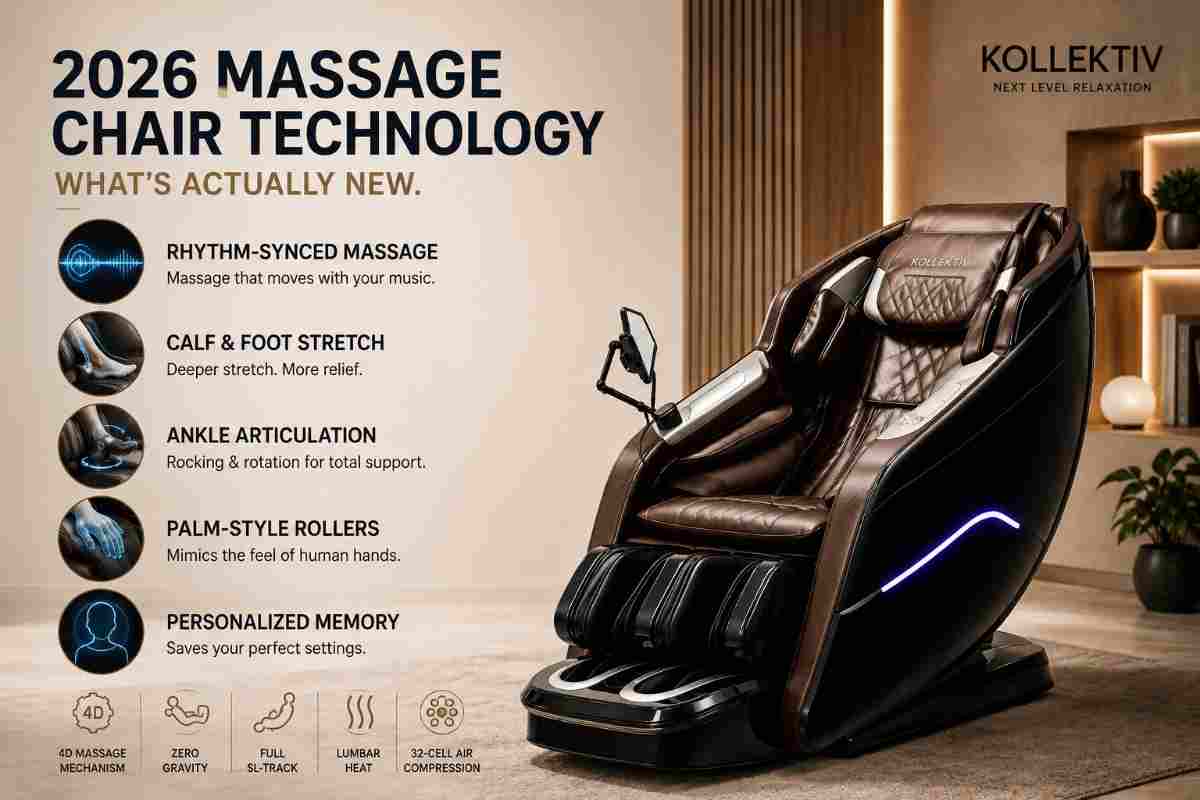
Every few months, a new wave of massage chair listings shows up with fresh-sounding language attached — "next-gen," "AI-enhanced," "smart adaptive." Some of it reflects genuine mechanical progress. A lot of it is a new label on a feature that's existed for years, or worse, a term with no clear technical meaning at all. Our overview of 2026 massage chair technology covers what's genuinely new this year and how it actually works mechanically. This piece takes the opposite approach — a shortlist of common phrases worth double-checking before you let them influence a purchase decision.
Phrase #1: "AI-Powered"
"AI-powered" gets attached to everything from genuine real-time sensor-based adjustment systems to a chair that runs a handful of pre-set programs a human engineer wrote years ago. The term itself carries no fixed technical meaning in this category, which makes it one of the least reliable words on a spec sheet on its own.
What to actually check: Look for a specific description of what the system does differently because of this label — does it read live positioning or health data and adjust in real time, or does it just run through a preset sequence of programs like every other chair? If the listing can't describe the mechanism specifically, treat the "AI" label as decoration rather than a meaningful differentiator.
Phrase #2: "Full Body"
Nearly every chair sold today uses "full body" somewhere in its marketing, regardless of actual track length or airbag placement. Two chairs can both carry this label while covering meaningfully different amounts of the body — one with a genuinely extended track reaching the glutes and hamstrings, another with a shorter track that stops well short of that.
What to actually check: Track type and length in inches, plus specific airbag placement covering arms, hands, and feet — not just the label itself. "Full body" on the box tells you almost nothing on its own; the spec sheet underneath it tells you everything.
Phrase #3: "Next-Generation" or "Latest Technology"
These phrases are relative by definition — next-generation compared to what, exactly? A chair can be technically newer than last year's model while changing almost nothing mechanically, simply updating cosmetic details or bundling existing features under a new model number.
What to actually check: Ask what specific mechanism is different from the previous generation, not just what's different about the marketing copy. A genuine mechanical change — a new roller shape, an added joint articulation, a longer track — is verifiable against a spec sheet. A vague claim of being "next-gen" generally isn't.
Phrase #4: "Clinically Proven" or "Therapist-Grade"
These terms suggest a level of medical validation that's rarely backed by anything specific in the fine print. Massage chairs are consumer wellness products, not medical devices, and claims implying clinical-grade performance deserve real scrutiny rather than face-value trust.
What to actually check: Whether the listing cites a specific study, certification, or standard the claim is based on. If the phrase appears without any supporting detail, it's reasonable to treat it as a general wellness claim rather than an actual clinical endorsement.
Phrase #5: "Smart" as a Standalone Descriptor
"Smart footrest," "smart recline," "smart controls" — attaching "smart" to a component doesn't specify what it actually does differently from a non-smart version of the same part. Sometimes it means genuine automatic adjustment based on sensor input; sometimes it just means the component is app-connected without changing its underlying function.
What to actually check: What specifically changes in behavior because of the "smart" label. If a "smart footrest" simply extends and retracts on command, the same as a standard motorized footrest, the label isn't describing anything meaningfully different.
A Simple Filter for Any New Term You Encounter
Whenever an unfamiliar or trendy-sounding term shows up on a listing, run it through a short mental checklist: Does the listing describe a specific mechanism or behavior tied to the term, or just the term itself? Can you find the same capability described in plain, mechanical language elsewhere in the spec sheet? Would the chair's actual function change if the term were quietly removed from the marketing copy? If a term fails all three, it's very likely decoration rather than a genuine feature worth factoring into your decision.
Why This Matters More in a Fast-Moving Category
Massage chair technology genuinely is advancing — real mechanical upgrades like extended stretch geometry, dedicated ankle articulation, and rhythm-synced massage timing are legitimate developments worth understanding on their own terms. That's exactly why it matters to separate real progress from repackaged marketing: treating every new-sounding term as equally significant makes it harder to recognize the upgrades that actually are worth paying attention to.
FAQ
Is "AI-powered" a reliable indicator of a better massage chair? Not on its own. The term covers everything from genuine real-time sensor-based adjustment to chairs running standard preset programs. Check for a specific description of what the system does differently rather than trusting the label alone.
Does "full body" on a massage chair listing guarantee complete coverage? No. The label is used loosely across the market regardless of actual track length or airbag placement. Checking specific track length and airbag zones is more reliable than the label itself.
Should I trust "clinically proven" claims on massage chair marketing? Treat these claims with caution unless the listing cites a specific study or certification behind them. Massage chairs are wellness products, not medical devices, and vague clinical language deserves scrutiny.
How can I tell if a "next-generation" feature is actually new? Ask what specific mechanism changed compared to the previous version, not just what changed in the marketing description. A genuine mechanical difference is verifiable; a vague generational claim usually isn't.
Is it worth avoiding chairs that use marketing terms like these? Not necessarily — many genuinely good chairs also use catchy marketing language. The goal is checking the actual mechanism behind the term, not avoiding chairs that use trendy phrasing altogether.
Final Thoughts
Marketing language in this category moves faster than the underlying technology usually does, which makes it worth treating buzzwords with a healthy dose of skepticism rather than taking them at face value. For a look at which 2026 developments actually represent genuine mechanical progress rather than repackaged terminology, our breakdown of 2026 massage chair technology walks through exactly what's changed and how each mechanism actually works.