The Rising Demand for MBA in Rural Marketing Graduates Across India
-

- September 10th, 2026
- 31 views

FREE SEO Topical Map Generator: Find Your Next Content Ideas
Rural India is becoming increasingly significant for companies operating in food, consumer goods, retail, financial services, and development-related sectors. As businesses expand beyond major cities, they need professionals who understand rural consumers, local markets, distribution systems, and changing purchasing habits. This is creating a growing demand for professionals with expertise in rural marketing.
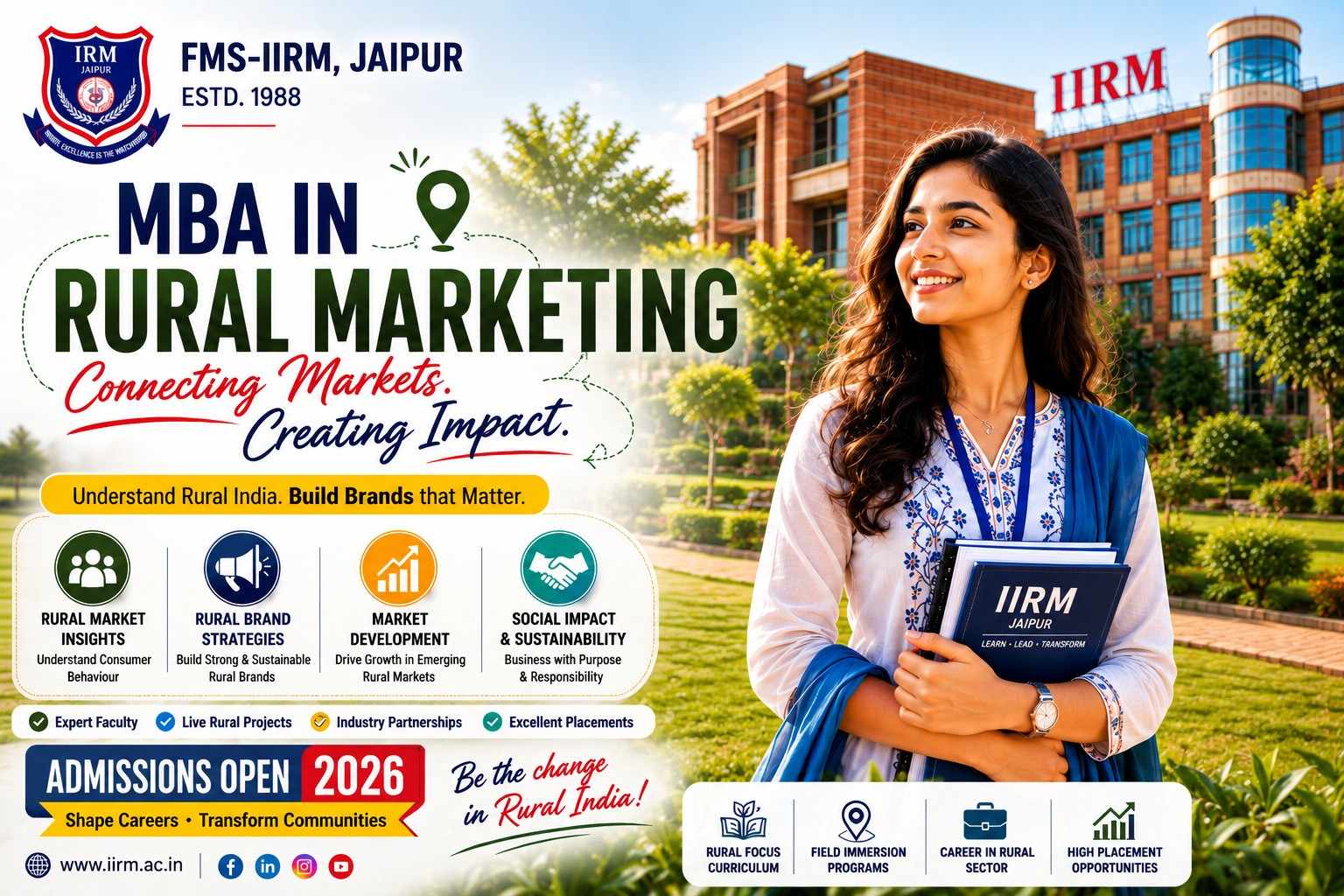
An MBA in Rural Marketing combines management education with an understanding of rural markets and consumer behaviour. Students learn how businesses can develop effective marketing, sales, pricing, and distribution strategies for rural areas. For students interested in working at the intersection of business, marketing, and rural development, this specialisation can offer a promising career path.
Quick Answer: Why Is the Demand for Rural Marketing Graduates Increasing?
Businesses are expanding their products and services into smaller towns, cities, and villages. At the same time, rural consumers are becoming more connected through smartphones, digital payments, e-commerce, and online services. Professionals who understand local needs and can develop effective distribution and marketing strategies can therefore add significant value to organisations serving these markets.
India's rural economy is also evolving. The Economic Survey 2025-26 highlights improvements in rural economic conditions, connectivity, digital adoption, and employment trends, all of which are contributing to changes in consumer behaviour and market opportunities.
What Is an MBA in Rural Marketing?
An MBA in Rural Marketing is a management programme that applies marketing and business principles to rural markets. Students learn how rural consumers differ from urban consumers and what businesses need to consider when developing marketing, pricing, sales, and distribution strategies for different rural regions.
A typical MBA in Rural Marketing course may cover subjects such as:
Rural consumer behaviour
Rural sales and distribution management
Marketing management
Market research
Brand management
Digital marketing
Supply chain and distribution management
Rural and agricultural markets
Rural entrepreneurship
Business communication
Data-driven decision-making
The curriculum can vary from one institution to another. Students should therefore review the course structure, practical learning opportunities, faculty expertise, and industry exposure before applying.
Why Are Rural Markets Becoming Important for Businesses?
The importance of rural markets is no longer limited to traditional agriculture-related industries. FMCG, banking, insurance, telecommunications, automobiles, healthcare, retail, e-commerce, and digital services are increasingly looking at rural consumers as an important market segment.
According to IBEF, rural India accounted for more than 38% of annual FMCG retail sales by 2025. The report also highlights increasing internet usage and the growing role of online channels among rural consumers.
This creates a need for professionals who can address practical business questions, such as:
Which products are most suitable for a particular rural market?
Which distribution channels are the most effective?
How should brands communicate with local consumers?
How can companies reach rural customers at an affordable cost?
How can digital marketing complement traditional rural distribution?
This is where specialised knowledge of rural markets can provide valuable business insights.
What Career Opportunities Are Available After an MBA in Rural Marketing?
Graduates can pursue careers in sales, marketing, market research, distribution, and rural business development. Potential job roles include:
Rural Marketing Executive
Area Sales Manager
Territory Manager
Business Development Executive
Rural Sales Manager
Marketing Research Analyst
Distribution Manager
Brand Executive
Customer Relationship Manager
Business Development Manager
Rural Business Consultant
Career opportunities are available across sectors such as FMCG, agribusiness, banking and insurance, financial services, telecommunications, retail, consumer durables, e-commerce, and social-impact organisations.
Career progression depends on a combination of skills, work experience, organisation, location, and individual performance rather than the degree alone.
What Skills Do Students Need for Rural Marketing Careers?
A successful rural marketer needs more than a basic understanding of marketing. Some of the important skills include:
Consumer Understanding: The ability to understand local preferences, purchasing patterns, cultural factors, and consumer needs.
Communication Skills: Rural markets may include diverse communities, languages, and communication preferences. Strong interpersonal and communication skills are therefore important.
Negotiation and Sales Skills: Many rural marketing roles involve working with retailers, distributors, and field sales teams. Negotiation and relationship-building skills can be highly valuable.
Market Research: Professionals should be able to collect, analyse, and interpret market information before making business decisions.
Digital Skills: Social media, smartphones, e-commerce, digital payments, and online services are becoming increasingly relevant to rural consumers.
Analytical Thinking: Understanding sales data, consumer behaviour, and distribution performance can help marketers make more informed decisions.
MBA in Rural Marketing: Admission Process
The admission process varies across institutions and programmes. Generally, applicants should check the eligibility criteria, entrance examination requirements, application deadlines, selection process, and required documents.
Students considering a rural marketing MBA college in Jaipur should evaluate the curriculum, practical learning opportunities, faculty expertise, industry exposure, internships, and career support. Choosing a programme based only on location or promotional claims may not provide a complete picture of its suitability.
How IIRM Can Help Students Build Relevant Management Skills
IIRM College in Jaipur focuses on management education with an academic connection to rural and development-related contexts. Students interested in areas such as market research, rural management, marketing, and agribusiness can benefit from learning how management principles are applied in different business and market environments.
Students should review the latest curriculum, eligibility requirements, admission process, and available learning opportunities directly from the institution before making an admission decision.
What Is the Future Scope of Rural Marketing?
The future of rural marketing is closely linked to the continued integration of rural markets with India's wider economy. Rural consumers are gaining greater access to digital services, organised retail, financial products, e-commerce, and branded goods.
At the same time, food and agricultural businesses require more efficient distribution networks and marketing infrastructure. The Economic Survey has also highlighted initiatives related to agricultural marketing infrastructure, including storage facilities, rural haats, Farmer Producer Organisations (FPOs), direct marketing, and value-chain infrastructure.
As rural consumers increasingly use both traditional and digital channels, rural marketing professionals are likely to work across multiple platforms and distribution systems.
Conclusion
The growing importance of rural consumers is creating new opportunities for professionals who understand how rural markets operate. An MBA in Rural Marketing helps students develop knowledge of consumer behaviour, distribution, sales, marketing strategies, and market research while preparing them for careers across multiple industries.
Students interested in this field should look for programmes that combine strong management fundamentals, specialised rural-market knowledge, practical learning, and industry exposure. Institutes such as IIRM College, Jaipur, can be considered by students looking for management education connected with rural and development-oriented business environments.
Frequently Asked Questions
1. What is an MBA in Rural Marketing?
An MBA in Rural Marketing is a management specialisation focused on marketing products and services in rural and semi-urban markets. It covers areas such as consumer behaviour, distribution, sales, market research, and marketing strategy.
2. Who should consider pursuing an MBA in Rural Marketing?
Students interested in marketing, sales, rural businesses, agriculture-related industries, consumer markets, or development-oriented business sectors can consider pursuing this specialisation.
3. What kind of jobs can I get after an MBA in Rural Marketing?
Potential career roles include Rural Marketing Executive, Sales Manager, Territory Manager, Business Development Manager, Marketing Research Analyst, Distribution Manager, and Rural Business Consultant.
4. Are rural marketing and sales limited to the agriculture industry?
No. Rural marketing extends across several industries, including FMCG, banking, insurance, telecommunications, automobiles, healthcare, retail, consumer durables, e-commerce, and digital services.
5. What skills are important for a successful career in rural marketing?
Important skills include market research, communication, sales and negotiation, consumer understanding, analytical thinking, relationship management, and digital marketing skills.