Meat Mincer: The Ultimate Guide to Choosing, Using, and Maintaining the Perfect Kitchen Essential
-
- May 07th, 2026
- 4,254 views

FREE SEO Topical Map Generator: Find Your Next Content Ideas
Why a Meat Mincer Is an Essential Kitchen Appliance
A meat mincer has become one of the most valuable appliances in modern kitchens. Whether preparing homemade burgers, sausages, kebabs, meatballs, or fresh minced meat for traditional recipes, a quality meat mincer delivers unmatched freshness, hygiene, and control over ingredients. Unlike pre-packaged ground meat, freshly minced meat preserves texture, flavor, and nutritional value while allowing complete customization of fat content and seasoning.
Today’s meat mincers are designed for both home cooks and professional chefs. From compact manual devices to heavy-duty electric grinders, these machines simplify food preparation and elevate cooking quality. With rising awareness around food safety and clean eating, owning a reliable meat mincer is no longer a luxury—it is a practical necessity.
Types of Meat Mincers Available
Manual Meat Mincers
Manual meat mincers are traditional tools operated with a hand crank. They are compact, affordable, and suitable for small kitchens or occasional use.
Advantages of Manual Meat Mincers
- Affordable pricing
- No electricity required
- Easy to store
- Durable construction
- Ideal for small portions
Disadvantages
- Requires physical effort
- Slower grinding process
- Not suitable for large quantities
Manual meat mincers are ideal for households that occasionally prepare fresh minced meat and prefer simplicity over automation.
Electric Meat Mincers
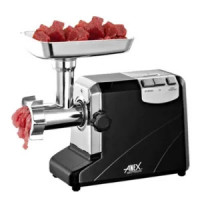
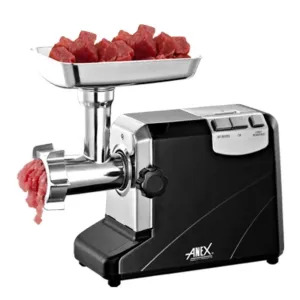
Electric meat mincers are powerful machines designed for speed, convenience, and large-volume grinding. They are widely used in homes, restaurants, butcher shops, and catering businesses.
Benefits of Electric Meat Mincers
- Fast operation
- Consistent texture
- Multiple grinding settings
- Sausage-making attachments
- Minimal physical effort
Modern electric meat mincers can process beef, chicken, lamb, fish, and even vegetables within minutes, making them versatile kitchen companions.
Important Features to Consider When Buying a Meat Mincer
Motor Power
Motor strength determines the machine’s grinding capacity and performance. Lower-powered models are suitable for occasional home use, while high-wattage models handle tougher meat cuts efficiently.
Recommended Motor Capacities
- 300–500W: Basic household use
- 800–1200W: Frequent cooking
- 1500W and above: Commercial-grade performance
A stronger motor also prevents overheating and ensures smooth operation during extended use.
Blade Quality
The blade is the core component of every meat mincer. Stainless steel blades provide durability, corrosion resistance, and precision cutting.
High-quality blades:
- Deliver smooth and uniform grinding
- Retain sharpness longer
- Improve grinding speed
- Reduce food waste
Choosing a meat mincer with replaceable blades ensures long-term performance.
Grinding Plates
Grinding plates determine the texture and coarseness of minced meat. Most advanced models include multiple plate sizes.
Common Grinding Options
- Fine grind for sausages and spreads
- Medium grind for burgers and meatballs
- Coarse grind for chili and chunky recipes
Having multiple plate options increases cooking flexibility.
Ease of Cleaning
Food hygiene is essential when handling raw meat. A meat mincer should be easy to disassemble and clean thoroughly.
Look for:
- Dishwasher-safe components
- Removable grinding heads
- Non-stick surfaces
- Stainless steel construction
Quick cleaning saves time and maintains food safety standards.
Attachments and Accessories
Modern meat mincers often include additional accessories that enhance functionality.
Popular Accessories
- Sausage stuffing tubes
- Kebbe attachments
- Vegetable slicers
- Cookie makers
- Tomato juicers
Multi-functional meat mincers provide greater value and reduce the need for separate kitchen appliances.
Benefits of Using a Meat Mincer at Home
Superior Freshness
Freshly minced meat offers richer flavor and improved texture compared to store-bought ground meat. Grinding meat at home ensures freshness without preservatives or additives.
Complete Ingredient Control
A meat mincer allows precise control over:
- Fat percentage
- Meat cuts
- Seasonings
- Additives
- Texture consistency
This is especially beneficial for families prioritizing healthy eating habits.
Cost Savings
Purchasing whole cuts of meat and grinding them at home is often more economical than buying pre-ground products. Over time, a meat mincer becomes a cost-effective investment.
Versatility in Cooking
A meat mincer can prepare:
- Beef mince
- Chicken mince
- Fish paste
- Sausages
- Meatballs
- Burgers
- Dumpling fillings
- Pet food
Its versatility transforms meal preparation and expands culinary possibilities.
How to Use a Meat Mincer Properly
Prepare the Meat Correctly
For the best grinding results:
- Remove bones and excessive sinew
- Cut meat into small cubes
- Chill meat before grinding
Cold meat passes through the grinder more efficiently and prevents clogging.
Assemble the Machine Carefully
Ensure all parts are tightly secured before operation. Incorrect assembly can affect performance and safety.
Always follow the manufacturer’s instructions for setup.
Feed Meat Gradually
Avoid overloading the hopper. Feed meat slowly using the food pusher provided with the appliance.
Never use hands or metal utensils inside the feeding tube during operation.
Double Grinding for Better Texture
For finer consistency, pass the meat through the grinder twice. This technique is especially effective for sausages and smooth meat mixtures.
Cleaning and Maintaining a Meat Mincer
Immediate Cleaning After Use
Raw meat residue can harden quickly and harbor bacteria. Clean the meat mincer immediately after use.
Cleaning Steps
- Disassemble all removable parts
- Wash with warm soapy water
- Dry thoroughly
- Sanitize surfaces
- Reassemble only when fully dry
Prevent Rust Formation
Even stainless steel components require proper drying. Moisture exposure may cause corrosion over time.
Apply food-safe mineral oil lightly to blades and plates for added protection.
Sharpen Blades Regularly
Dull blades reduce grinding efficiency and strain the motor. Sharpen blades periodically or replace them when necessary.
Sharp blades:
- Improve meat texture
- Increase grinding speed
- Extend machine lifespan
Best Foods to Prepare With a Meat Mincer
Homemade Burgers
Freshly minced beef creates juicy burgers with superior texture and flavor. Home grinding allows custom fat blends for perfect results.
Traditional Sausages
A meat mincer with sausage attachments enables preparation of flavorful homemade sausages using natural ingredients and spices.
Kebabs and Kofta
Finely minced meat enhances the tenderness and consistency of kebabs, kofta, and seekh recipes.
Pet Food Preparation
Many pet owners use meat mincers to create fresh, preservative-free meals tailored to their pets’ nutritional requirements.
Common Meat Mincer Problems and Solutions
Machine Jamming
Causes
- Excess connective tissue
- Overloading
- Warm meat
Solutions
- Trim meat properly
- Chill ingredients before grinding
- Feed meat gradually
Uneven Grinding
Causes
- Dull blades
- Incorrect assembly
- Worn grinding plates
Solutions
- Sharpen or replace blades
- Reassemble correctly
- Replace damaged plates
Overheating
Causes
- Continuous operation
- Low-powered motor
- Excessive load
Solutions
- Allow cooling breaks
- Avoid overloading
- Use a higher-capacity model for heavy tasks
Why Stainless Steel Meat Mincers Are the Best Choice
Stainless steel meat mincers are highly preferred because they offer:
- Exceptional durability
- Rust resistance
- Hygienic surfaces
- Long lifespan
- Easy cleaning
Unlike plastic alternatives, stainless steel models maintain structural integrity under heavy use and deliver professional-grade performance.
Tips for Choosing the Best Meat Mincer
For Home Use
Choose:
- Compact design
- Medium motor power
- Easy cleaning features
- Multiple grinding plates
For Commercial Use
Prioritize:
- Heavy-duty motor
- Large meat tray
- Continuous operation capability
- Industrial-grade materials
The Future of Meat Mincers
Modern meat mincers continue evolving with advanced technology. Smart appliances now feature:
- Digital controls
- Reverse grinding functions
- Noise reduction systems
- Enhanced safety mechanisms
- Multi-purpose food processing capabilities
As kitchens become more efficient and health-conscious, meat mincers remain indispensable tools for preparing fresh, customized meals with maximum convenience.
Conclusion
A high-quality meat mincer is an essential investment for every kitchen. From enhancing food freshness to providing complete ingredient control, the advantages are substantial. Whether selecting a manual model for occasional use or a powerful electric grinder for daily cooking, choosing the right meat mincer significantly improves meal preparation efficiency and quality.