How Melbourne's Weather Affects Dust, Mould, and Indoor Air Quality
-

- August 04th, 2026
- 3,837 views
Melbourne is well known for its unpredictable weather. Residents often experience sunshine, rain, wind, and cooler temperatures within the same day. While these changing conditions make the city unique, they also affect the cleanliness and comfort of homes throughout the year.
Dust, moisture, pollen, and mould can build up indoors as the seasons change. Consequently, indoor air quality may decline if these issues are not managed regularly. Understanding how Melbourne's climate influences the home can help households develop better cleaning habits and maintain a healthier living environment.
Whether you are planning spring cleaning in Melbourne or simply refreshing your home after winter, knowing how weather affects indoor spaces can make seasonal cleaning more effective.
Why Melbourne's Weather Creates Unique Cleaning Challenges
Melbourne experiences four distinct seasons along with frequent weather changes. As a result, homes face a combination of environmental conditions that contribute to indoor dust and moisture.
For example, windy days carry fine dust and pollen indoors through open doors and windows. Likewise, rainy periods increase indoor humidity, while cooler temperatures often encourage households to keep windows closed.
These changing conditions allow indoor pollutants to build up faster than many people realise.
Some common weather-related cleaning challenges include:
- Increased dust during windy weather
- Higher moisture levels after rain
- Pollen entering through open windows
- Condensation on windows during winter
- Reduced ventilation in colder months
Each of these factors can influence indoor air quality over time.
How Dust Builds Up Throughout the Year
Dust is more than ordinary dirt. It is made up of tiny particles such as soil, fabric fibres, dead skin cells, pollen, pet hair, and other airborne materials.
Melbourne's windy conditions often increase the amount of outdoor dust entering homes. Even with doors and windows closed, small particles can enter through ventilation systems and tiny gaps around windows.
Once inside, dust settles on:
- Floors
- Furniture
- Shelves
- Curtains
- Carpets
- Bedding
- Ceiling fans
Without regular cleaning, these particles continue to circulate whenever people walk through rooms or use heating and cooling systems.
The Connection Between Weather and Mould Growth
Moisture plays a major role in mould development. During cooler months, Melbourne often experiences damp weather and higher humidity levels. Consequently, condensation can form on windows, walls, and other cool surfaces.
If moisture remains for extended periods, mould may begin to grow.
Common locations include:
- Bathrooms
- Laundry rooms
- Kitchens
- Window frames
- Wardrobes
- Ceilings
- Behind furniture
Poor ventilation increases this risk because damp air becomes trapped indoors.
Fortunately, reducing excess moisture and improving airflow can help minimise mould growth before it becomes a larger problem.
How Indoor Air Quality Changes with the Seasons
Indoor air quality refers to the cleanliness of the air inside a building. Several weather-related factors influence it throughout the year.
Winter
During winter, homes remain closed for longer periods to keep warm. As a result, dust, moisture, and indoor pollutants become trapped inside.
Heating systems may also circulate existing dust throughout the home if vents and filters are not cleaned regularly.
Spring
Spring brings higher pollen levels, especially when flowers and trees begin producing new growth.
Although fresh air is beneficial, open windows also allow pollen to enter homes. Therefore, regular dusting and vacuuming become especially important during this season.
Summer
Hot weather encourages people to use air conditioners more frequently. Dirty filters can reduce airflow while spreading dust throughout living areas.
Regular maintenance helps cooling systems operate more efficiently while supporting cleaner indoor air.
Autumn
Leaves, outdoor debris, and changing weather patterns contribute to additional dust entering homes before winter begins.
A seasonal clean during autumn helps prepare indoor spaces for the colder months ahead.
Why Carpets and Upholstery Collect More Dust
Soft furnishings naturally trap airborne particles throughout the year.
Carpets collect:
- Dust
- Pet hair
- Soil
- Pollen
- Food crumbs
Similarly, sofas, curtains, and mattresses absorb fine particles that are not always visible.
Even though these surfaces may appear clean, they can continue releasing dust into the air whenever they are disturbed.
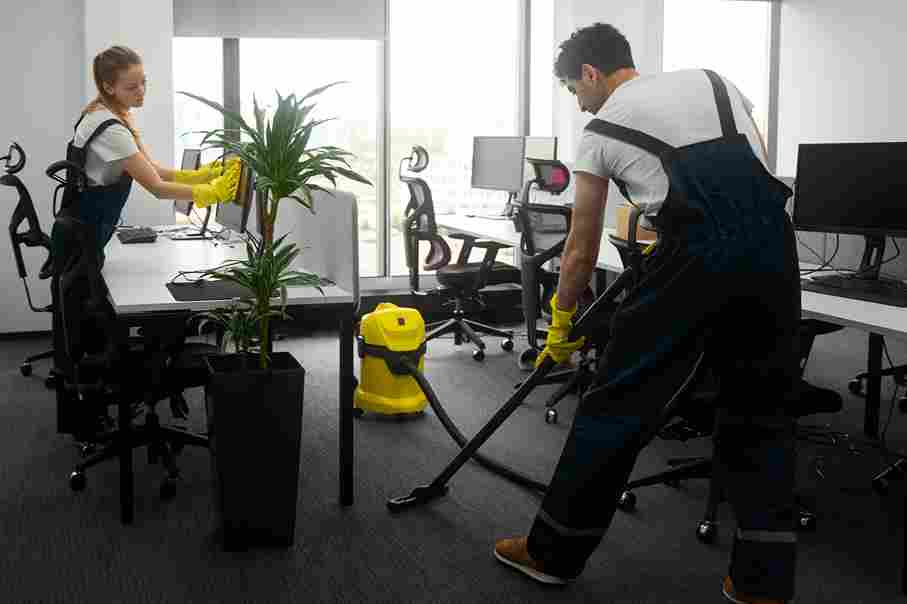
Vacuuming regularly and deep cleaning soft furnishings as part of a spring clean for your Melbourne home can help reduce this build-up.
The Role of Ventilation in a Healthier Home
Fresh air plays an important role in maintaining indoor air quality.
Whenever weather conditions allow, opening windows encourages airflow and helps reduce moisture indoors. Cross-ventilation is particularly effective because it allows fresh air to move through multiple rooms.
Other ways to improve ventilation include:
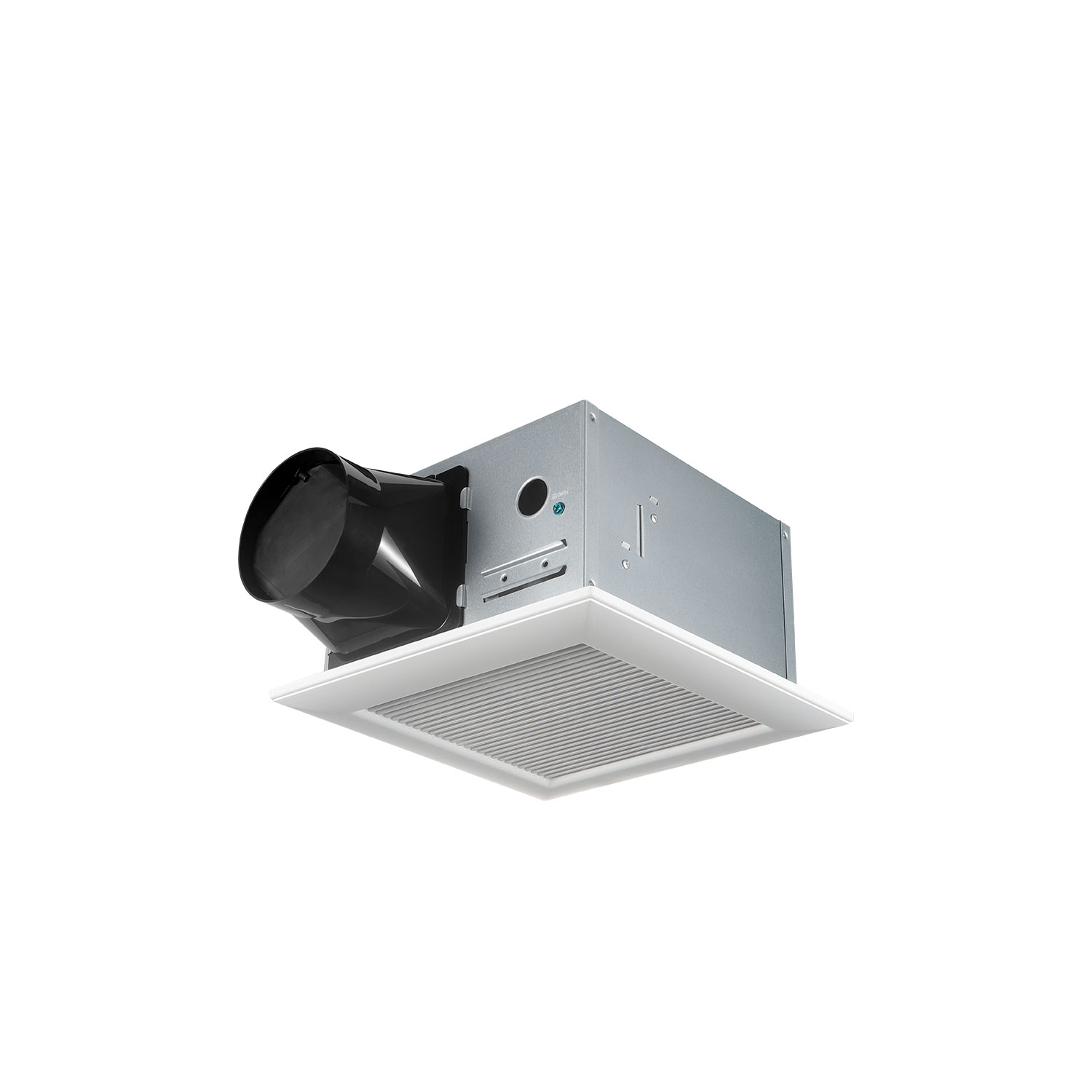
- Using bathroom exhaust fans
- Running kitchen range hoods
- Opening laundry windows
- Keeping air vents clean
- Avoiding blocked ventilation systems
These simple habits reduce stale indoor air while limiting excess humidity.
Areas That Need Extra Attention During Seasonal Cleaning
Certain parts of the home collect more dust and moisture than others. Therefore, these areas deserve extra attention during seasonal deep cleaning.
Remember to clean:
- Ceiling fans
- Air vents
- Window tracks
- Skirting boards
- Curtains
- Blinds
- Behind furniture
- Under beds
- Behind kitchen appliances
- Bathroom grout
Cleaning these hidden spaces removes pollutants that may otherwise continue affecting indoor air quality.
Practical Tips to Reduce Dust and Mould
Maintaining a healthy home does not require complicated routines. Instead, consistent cleaning habits often provide the best results.
Helpful practices include:
- Vacuum carpets weekly.
- Dust with a damp microfibre cloth.
- Wash bedding regularly.
- Clean bathroom surfaces often.
- Dry wet areas immediately.
- Open windows when weather permits.
- Empty vacuum filters frequently.
- Organise clutter to reduce dust traps.
Additionally, keeping humidity under control can significantly reduce mould growth.
Why Seasonal Deep Cleaning Makes a Difference
Regular household cleaning removes surface dirt. However, seasonal deep cleaning focuses on areas that often remain untouched for months.
This type of cleaning helps remove hidden dust, allergens, and moisture from places that daily routines may overlook.
For many households, spring cleaning across Melbourne homes provides an ideal opportunity to refresh living spaces after winter while improving indoor comfort before warmer weather arrives.
A well-planned seasonal clean also supports better home maintenance throughout the rest of the year.
Maintain Better Indoor Air Quality Year-Round
Although spring is an excellent time to refresh the home, maintaining good indoor air quality requires ongoing care.
Simple habits can make a lasting difference, including vacuuming regularly, cleaning soft furnishings, reducing indoor moisture, and improving ventilation whenever possible.
Small cleaning tasks completed consistently throughout the year are often more effective than waiting for dust and mould to accumulate.
Conclusion
Melbourne's changing weather has a direct impact on dust levels, indoor moisture, and overall air quality. Windy days introduce fine particles into the home, while cooler and wetter conditions encourage condensation and mould growth. Understanding these seasonal changes allows households to respond with practical cleaning and maintenance routines.
Whether you are preparing for spring cleaning in Melbourne routine or simply looking to improve your home's indoor environment, paying attention to dust, ventilation, and moisture can create healthier living spaces throughout every season. With regular care and a structured seasonal approach, homes can remain fresher, cleaner, and more comfortable all year round.