How Better Mixing Supports Efficient Construction
-

- Published Updated
- 60 views
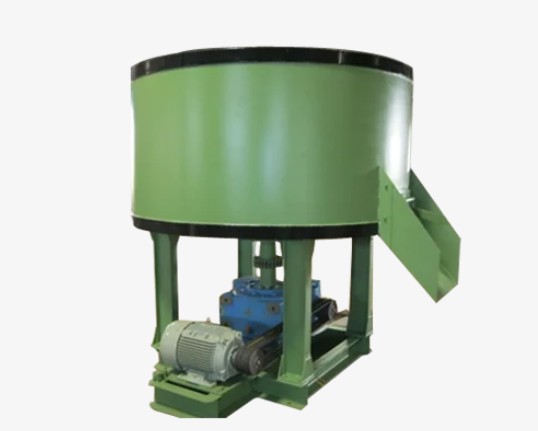
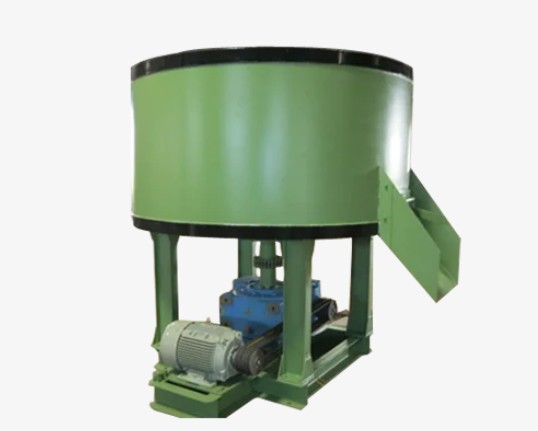
Construction projects involve several tasks that need to be completed efficiently. Mixing is one of the most important among them. Although it may seem like a simple activity, the way materials are mixed can affect consistency, productivity, and the overall workflow on a construction site.
A reliable pan mixer can help make this everyday process more organized. It supports the mixing of suitable construction materials while reducing repetitive manual effort. For construction businesses handling regular mixing operations, the right equipment can make daily work easier to manage.
Why Mixing Matters in Construction
Construction work depends on both the quality of materials and how they are prepared. Cement-based materials, mortar, and concrete mixes need proper preparation before they can be used for their intended applications.
When mixing is inconsistent, workers may need to spend additional time checking the material or making adjustments. This can interrupt the workflow and make it harder to maintain consistency between batches.
Using suitable mixing equipment helps create a more structured process. It allows workers to handle repeated mixing tasks with less manual effort and better control over routine operations.
Understanding the Role of a Pan Mixer
A pan mixer is designed to mix materials within a pan-shaped mixing chamber. Depending on the machine's design and specifications, it can be used for different construction-related mixing applications.
For businesses that handle mixing regularly, this type of equipment can offer a practical alternative to relying entirely on manual methods. It provides a dedicated system for combining materials and helps make repeated operations easier to organize.
However, the choice of mixer should always depend on the materials being handled and the requirements of the application. Checking the machine's capacity and suitability before making a purchase is important.
Reducing Repetitive Manual Work
Manual mixing can require considerable physical effort, particularly when workers need to prepare multiple batches throughout the day. As the quantity of material increases, the task can become more demanding and time-consuming.
Suitable mixing equipment can help reduce this repetitive workload. Instead of depending entirely on manual mixing, workers can use machinery to support the preparation process.
This can make daily activities more manageable and allow teams to focus on other important tasks at the site.
Reducing manual effort does not mean that every construction activity becomes automatic. Materials still need to be measured, loaded, handled, and used correctly. The advantage comes from making the mixing stage more organized and practical.
Choosing Equipment That Fits the Work
Not every construction project has the same mixing requirements. Smaller projects may need limited quantities, while larger operations may require higher production capacity.
Before selecting a pan mixer, businesses should consider the type of materials they intend to mix, the required batch size, expected output, and available working space.
The operating environment also matters. Equipment should fit comfortably into the site layout and support the existing sequence of work.
It is equally important to understand the machine's operating and maintenance requirements. A suitable choice can help businesses manage routine work without introducing unnecessary complications.
Selecting equipment based on actual requirements is more useful than choosing a machine based on capacity alone.
Improving the Daily Workflow
A construction site works more smoothly when each activity follows a clear sequence. Material preparation, mixing, transportation, and application all need to work together.
When mixing takes longer than expected, it can affect the tasks that follow. A suitable mixer can help make this stage more organized by providing a dedicated process for preparing materials.
Workers can plan their activities around the mixing schedule and coordinate material handling more effectively. This can be especially useful when mixing is a repeated part of daily operations.
The goal is not simply to increase speed. It is to make the entire process easier to manage while maintaining appropriate material preparation practices.
The Importance of Consistency
Consistency is an important consideration in construction. Materials should be prepared according to the requirements of their intended use.
A suitable mixer can support a repeatable mixing process, provided that operators follow the correct material proportions, loading procedures, and operating instructions.
The equipment alone cannot guarantee the quality of the final mix. Material selection, measurement, mixing time, and proper operation also play important roles.
When these factors are managed together, businesses can establish a more dependable routine for everyday mixing tasks.
Making a Practical Investment
Construction machinery should solve real problems and support the way a business operates. Before investing in a mixer, it is worth reviewing the challenges faced during current mixing activities.
If manual mixing takes too much time or handling repeated batches becomes difficult, suitable equipment may help simplify the process.
Businesses should compare available options, review technical specifications, and consider the machine's suitability for their materials and working conditions.
A practical investment is one that meets present requirements while fitting into the overall production workflow.
Better Mixing for Smoother Construction Work
Mixing may be only one part of a construction project, but it can influence how efficiently daily activities are managed. Suitable equipment can help reduce repetitive manual effort, support consistent preparation, and make routine work more organized.
The best results come from combining the right machinery with proper material measurement, trained operators, and a well-planned workflow.
With practical equipment choices and an organized approach to mixing, construction businesses can make everyday operations easier to manage and keep their projects moving forward.