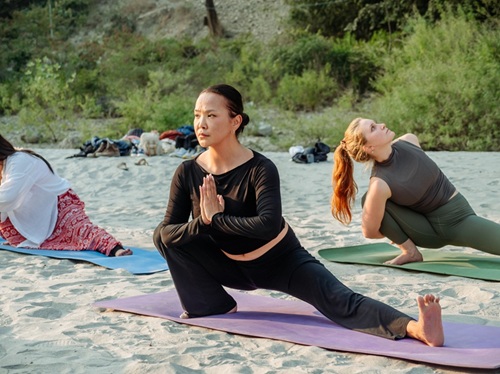
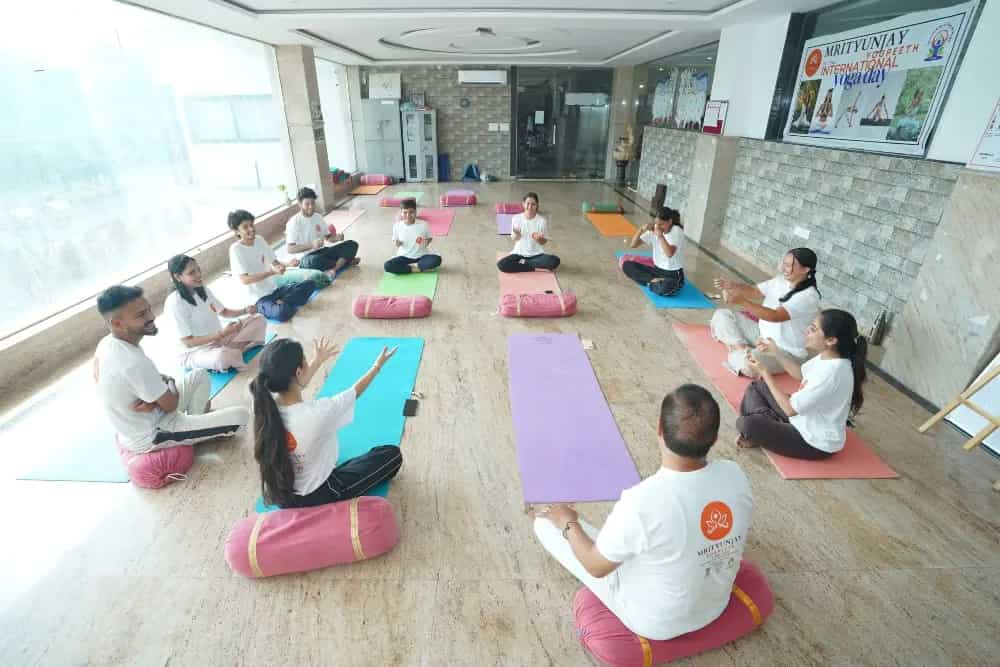
Morning Yoga Routine to Boost Energy and Mental Focus
-

- March 05th, 2026
- 1,450 views
Starting the day with morning yoga can help increase alertness, improve mental clarity, and set up a steady rhythm for energy and focus through gentle movement, breathwork, and mindful attention.
Morning yoga combines physical postures (asanas), breathing exercises (pranayama), and short periods of attention to build energy and sharpen concentration. Short daily sessions of 10–30 minutes are practical for many schedules and can be adapted for different fitness levels.
Morning Yoga: How It Boosts Energy and Focus
Morning yoga supports circulating blood and oxygen, awakening the nervous system, and engaging attention through structured movement and breath. Physiological mechanisms often cited in research include increased cerebral blood flow, activation of the parasympathetic and sympathetic balance via breath control, and hormonal shifts such as modulation of cortisol rhythm. These effects, combined with simple behavioral changes, can translate into improved alertness and clearer thinking during the morning hours.
Physiological and cognitive mechanisms
Gentle dynamic sequences stimulate circulation and oxygen delivery, which can help reduce morning grogginess. Breathwork (for example, slow diaphragmatic breathing or alternate-nostril breathing) influences autonomic tone and can lower perceived stress, supporting attentional control. Movement and attention also engage brain networks involved in executive function and working memory, which are relevant for sustained focus throughout the day.
Evidence and expert guidance
Clinical research and systematic reviews accessible through academic databases and health organizations describe benefits of regular physical activity, mindful movement, and breath practice for mood, sleep quality, and cognitive function. For general health guidance on physical activity and behavioral approaches, consult resources from established public health authorities such as the National Institutes of Health. This article summarizes general findings and practical suggestions rather than individualized medical advice.
Practical Morning Yoga Routine for Energy and Focus
Quick 10-minute sequence
1) Centering and breath (1–2 minutes): Sit or stand, take slow full breaths, and direct attention to the breath to anchor the mind. 2) Cat–Cow (1 minute): Gentle spinal movement to wake the back and lungs. 3) Sun salutation variations (3–4 minutes): A few rounds of flowing poses to increase heart rate modestly and warm the body. 4) Standing balance (1 minute): Tree pose or single-leg balance to engage focus. 5) Forward fold to hamstring stretch (1 minute): Release tension and improve circulation. 6) Seated twist (30–60 seconds each side): Stimulate spinal mobility. 7) Short mindful breath practice (1 minute): End with a few slow breaths to settle attention.
Longer 20–30 minute practice
Extend the 10-minute sequence by adding longer holds in standing and hip-opening poses, a brief core sequence to increase metabolic activation, and 3–5 minutes of seated or supine relaxation with breath awareness. Combining gentle strengthening and mobility work with breath-focused moments supports both energetic readiness and mental calm.
Modifications and accessibility
Practices can be adapted: chair yoga for limited mobility, shorter sets for tight schedules, and gentler pacing when recovering from illness or injury. Focus on form and breath rather than extreme range of motion. Using props such as blocks, straps, or a chair can make poses more accessible while maintaining the benefits.
Tips to Make Morning Yoga Consistent
Set a realistic schedule
Consistency is more important than duration. Aim for 5–20 minutes most mornings. Pair the practice with an existing habit (for example, after brushing teeth or before coffee) to increase adherence. Track sessions with a simple habit log or calendar to build momentum.
Create an environment that supports focus
Choose a quiet, well-lit space with minimal distractions. Use a mat or non-slip surface and comfortable clothing. Gentle morning light and moderate room temperature help the body wake naturally. Consider a brief screen-free period immediately after practice to preserve mental clarity.
Combine with complementary habits
Hydration, a balanced breakfast, and a consistent sleep schedule all support the benefits of morning movement. Attention to sleep timing helps align practices with circadian rhythms and may enhance energy across the day.
Safety and when to adapt practice
Precautions
Most gentle morning routines are low risk when practiced with attention to comfort and alignment. People with cardiovascular conditions, uncontrolled hypertension, recent injuries, or pregnancy should seek tailored guidance from qualified health or movement professionals. This article does not replace personalized medical assessment.
When to seek professional advice
If dizziness, sharp pain, or unusual symptoms occur during practice, stop and consult a healthcare provider or a licensed movement specialist. For chronic conditions, a qualified physical therapist or certified yoga therapist can recommend adaptations that preserve safety while achieving benefits.
Frequently Asked Questions
Is morning yoga effective for increasing energy and focus?
Short regular sessions of morning yoga that combine movement and breath can support alertness and concentration through improved circulation, autonomic regulation, and attention training. Individual responses vary, and consistency over time tends to produce more noticeable effects.
How long should a morning yoga session be to feel benefits?
Even 5–10 minutes can produce a noticeable shift in alertness. Sessions of 15–30 minutes allow for a fuller combination of mobility, breathwork, and focused attention, which may yield broader benefits for energy and cognitive readiness.
Can morning yoga replace other forms of exercise?
Morning yoga is complementary to other physical activities. It can serve as a standalone practice for flexibility, balance, and mild aerobic activation, but additional cardiovascular or strength training may be needed depending on broader fitness goals.
What is the best time in the morning to practice?
The best time is the one that fits consistently into daily routines. Early morning before eating can suit many people, while others may prefer a practice after a brief warm-up or light snack. Align practice timing with energy patterns and schedule demands for sustainability.