The Evolution of Moto Graphics in Professional Off-Road Racing
-

- May 30th, 2026
- 354 views
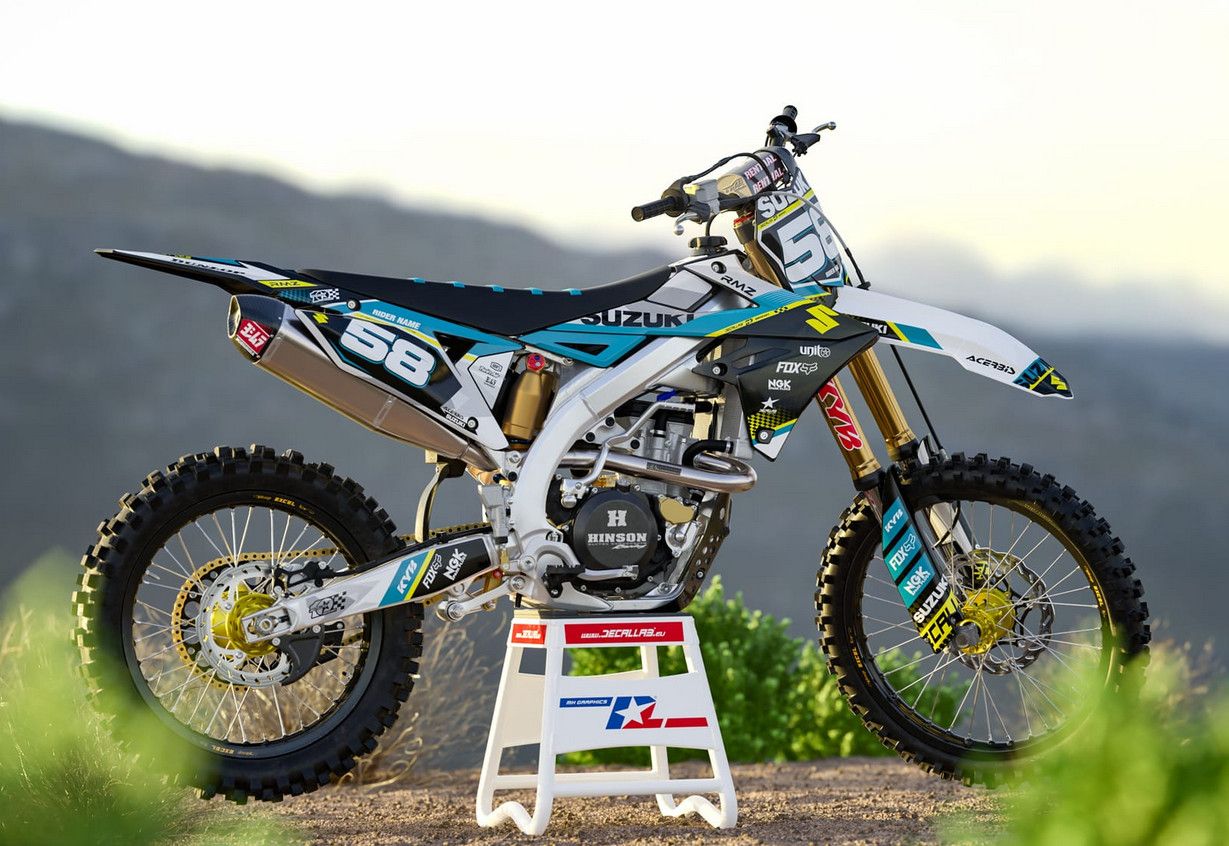
The landscape of professional off-road racing has seen a massive shift in 2026, driven by advanced polymer chemistry and highly precise digital application techniques. Team managers and individual competitors are no longer viewing vehicle exterior elements merely as static branding surfaces. Instead, the emphasis has pivoted toward dynamic visual integration that enhances structural protection against extreme environmental wear.
In this high-stakes environment, the integration of ultra-thick vinyl substrates and specialized aggressive adhesives has redefined industry baselines. Modern racing environments demand materials that can withstand high-velocity stone impacts, extreme thermal fluctuations, and continuous chemical exposure from fuels and cleaning agents. Striking the balance between weight optimization and protective density is now the primary objective for competitive racing syndicates globally.
To achieve tournament-grade visual execution, teams rely heavily on advanced manufacturing ecosystems that offer verified material compliance. Accessing a highly curated selection of premium polymer layers through specialized platforms like decallab represents the baseline standard for contemporary competitive aesthetics. Sourcing materials that integrate specialized micro-channels for bubble-free application ensures that outer defensive layers remain fully uncompromised under severe competitive stress.
What is Professional Moto Graphics and Why Pay Attention?
Professional vehicle surface design refers to the application of engineered, multi-layered vinyl composites onto the fairings, panels, and structural plastics of off-road machinery. Unlike standard commercial wraps, these specialized components are manufactured using heavy-duty polymeric vinyls paired with high-bond pressure-sensitive adhesives. This design ensures that the graphic kit functions as a secondary protective skin, dampening impacts and shielding expensive factory components from deep abrasions.
Paying attention to these structural innovations is vital due to the shifting economic realities of managing competitive racing operations in 2026. With the rising cost of carbon-fiber fairings and molded plastics, extending the operational lifecycle of existing panels is a clear financial priority. Furthermore, contemporary corporate sponsorships demand pixel-perfect accuracy and color consistency that does not fade or delaminate under harsh ultraviolet radiation during endurance events.
Beyond structural preservation, advanced surface customization offers measurable psychological and organizational advantages for professional racing teams. A cohesive, high-visibility team design allows pit crews and track marshals to identify specific riders instantaneously amidst dense dust clouds and chaotic pack starts. This level of visual clarity improves coordination during rapid mid-race service stops and enhances the brand equity of commercial partners on high-definition broadcast feeds.
The financial implications of inadequate surface protection can be significant for modern competitive operations. Selecting low-tier materials often results in rapid tearing of the protective barriers, leading to increased replacement frequencies and unoptimized mechanical maintenance expenditure. Shifting toward certified, sustainable distribution networks ensures that the lifecycle of every fairing and body panel is maximized under intense operating duress.
Common Mistakes to Avoid Regarding Off-Road Vehicle Customization
Overlooking Surface Contamination Protocols: Failing to remove residual factory mold-release agents or chemical oils from raw plastics causes localized adhesive crystallization and premature edge lifting.
Applying Inadequate Thermal Regulation: Neglecting to utilize controlled heat-gun applications during the configuration phase prevents the vinyl from achieving its maximum elongation and memory contour shape.
Disregarding Material Gauge Dynamics: Selecting thin, lightweight commercial vinyls for high-impact zones results in rapid tearing, punctures, and complete loss of substrate defenses during track collisions.
Misaligning Stress Relief Cuts: Forcing a single continuous sheet of thick vinyl over multi-dimensional compound curves without proper relief cuts creates internal tension that leads to bubbling.
Using Substandard Scraping Implements: Employing rigid metallic tools instead of specialized felt-edged squeegees scratches the protective laminate layer, clouding the high-gloss visual finish.
Neglecting Edge Post-Heating Sequences: Skipping the final high-temperature sealing process around the perimeter of the plastics allows water ingress during high-pressure pressure washing sessions.
Step-by-Step Guide: How to Effectively Apply Advanced Customization Kits
Execute Deep Chemical Decontamination: Clean all target plastics using a multi-stage isopropyl alcohol solution to dissolve all hidden grease, dirt, and wax deposits.
Calibrate Ambient Workplace Temperatures: Ensure the installation environment is maintained between twenty and twenty-five degrees Celsius to guarantee optimal adhesive tack and vinyl pliability.
Perform Dry Alignment Audits: Position the custom kit components over the body panels using temporary masking tape to verify exact spacing tolerances before removing any backing paper.
Initiate Centralized Hinge Adhesion: Peel away a small central strip of the protective liner, pressing the vinyl firmly down onto the plastic to establish an unyielding anchor point.
Execute Outward Radial Squeegee Passes: Work from the center outward using overlapping strokes to force out all air molecules through the specialized moto graphics micro-conduits embedded in the adhesive layer.
Apply Targeted Thermal Conformity: Use a specialized heat source on complex concave areas, stretching the composite material gently to match the exact factory contours of the machine.
Integrate Heavy-Duty Specialized Components: For vehicles operating in highly abrasive environments, applying verified mx graphics panels ensures that high-friction contact points near the knee grips resist continuous mechanical wear.
Execute Full Perimeter Post-Heating: Run an industrial heat gun calibrated to eighty degrees Celsius along all outer edges to activate the final high-bond chemical cross-linking phase.
Best Practices and Expert Advice
When managing high-performance off-road fleets, successful crews treat surface customization as an active engineering discipline. This requires tracking the structural health of the underlying fairings alongside the visual condition of the outer composite skins. Experts recommend maintaining a detailed material log that correlates track surface types, ambient debris levels, and substrate wear rates to optimize material selection for upcoming race events.
Experienced technicians strongly advise utilizing a staggered installation strategy when working with thick, multi-layered vinyl laminates. Instead of attempting to manipulate massive sections simultaneously, partition the bodywork into distinct mechanical zones based on surface curvature. This method allows the installer to manage the material’s natural elastic limits, preventing over-stretching that can distort intricate color gradations or weaken the adhesive boundary layer.
Furthermore, always monitor the chemical composition of your post-race maintenance solutions. Heavy solvents and non-diluted degreasers can gradually seep under the perimeter edges of vinyl kits, breaking down the pressure-sensitive acrylic adhesives over time. Transitioning to pH-neutral, polymer-safe cleaning agents preserves the chemical bonds, keeping the visual presentation bright and securely adhered across multiple competitive seasons.
Future Perspectives: Development Trends
Looking toward the 2028 and 2029 racing horizons, the vehicle customization sector anticipates the arrival of chameleon bio-polymer substrates. These next-generation materials will feature embedded micro-encapsulated polymers capable of shifting color profiles dynamically via low-voltage commands from the vehicle's central ECU. This technical leap will merge structural field electronics with exterior design seamlessly, allowing teams to alter visual themes instantaneously between race heats.
Another significant advancement is the integration of self-healing nanolaminate protective layers. Future protective composites will feature micro-capsules that rupture upon physical impact, automatically filling surface scratches and restoring the pristine optical clarity of the design without human intervention. This milestone will extend the operational lifespan of off-road vehicle kits under extreme conditions.
Finally, we expect to see the widespread integration of impact-absorbent auxiliary matrices directly into the vinyl backing layers. These smart materials will stiffen instantly upon high-velocity debris impacts, dispersing kinetic energy across a wider surface area to prevent underlying plastic fracturing. This evolution will transform surface graphics into active structural armor components for competitive motorsport platforms.
Conclusion
The evolution of professional vehicle surface engineering in 2026 represents a vital convergence between advanced chemical design and athletic visual representation. Moving past legacy, thin-film applications toward rugged multi-layered polymer skins guarantees unmatched component preservation and unmistakable team identity. The path to ultimate long-term success lies in selecting premium-tier raw substrates and adhering strictly to precision application protocols.
By leveraging advanced material science and utilizing verified application systems, racing teams insulate their equipment investments from the devastating effects of track debris. The current motorsport landscape demands absolute material durability, professional execution, and an unwavering commitment to operational excellence. Prioritizing these premium custom standards ensures that your machinery remains structurally protected and visually dominant, no matter what challenges await on the track.