Common Multifamily Accounting Mistakes and How to Avoid Them
-

- May 21st, 2026
- 6,962 views
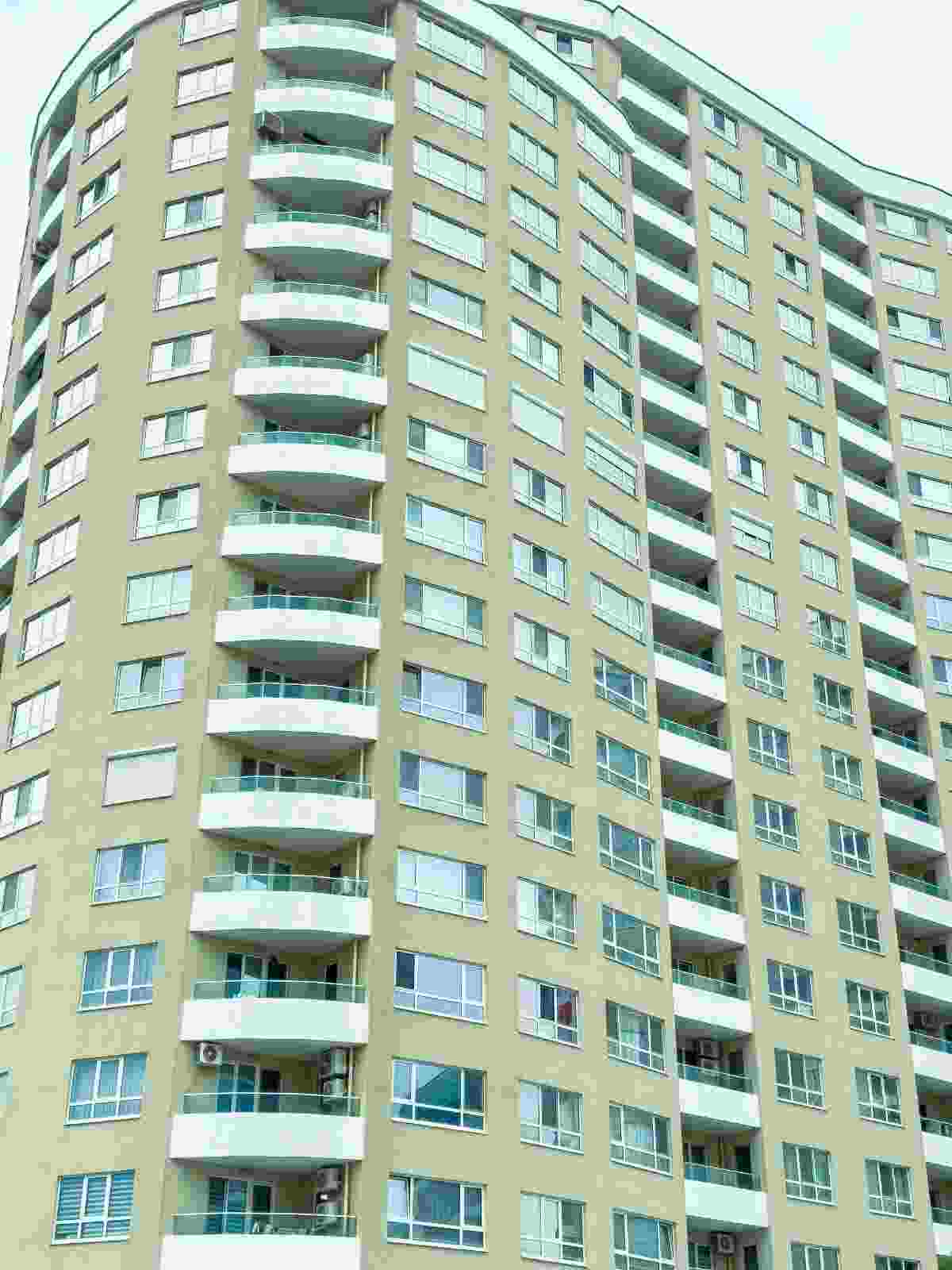
Managing the financial operations of a Residential Property—especially multifamily apartment communities—requires precision, consistency, and industry-specific expertise. Unlike general bookkeeping, multifamily apartment accounting involves recurring rental income, security deposits, maintenance costs, capital improvements, regulatory compliance, and investor reporting. When errors occur, they can disrupt cash flow, reduce profitability, and damage stakeholder trust.
Because multifamily properties often fall under broader Commercial Real Estate Accounting standards, maintaining accurate records is essential for long-term performance and compliance. In this article, we’ll explore the most common multifamily accounting mistakes and practical strategies to avoid them.
1. Commingling Operating and Security Deposit Funds
The Mistake
One of the most frequent accounting errors in Residential Property management is mixing operating funds with tenant security deposits. Security deposits are legally required to be held separately in many states.
Why It’s a Problem
Commingling funds can lead to:
- Legal penalties
- Compliance violations
- Financial confusion
- Tenant disputes
How to Avoid It
- Maintain separate trust accounts for security deposits
- Reconcile trust accounts monthly
- Follow local regulations carefully
Strong internal controls are foundational to both multifamily apartment accounting and Commercial Real Estate Accounting practices.
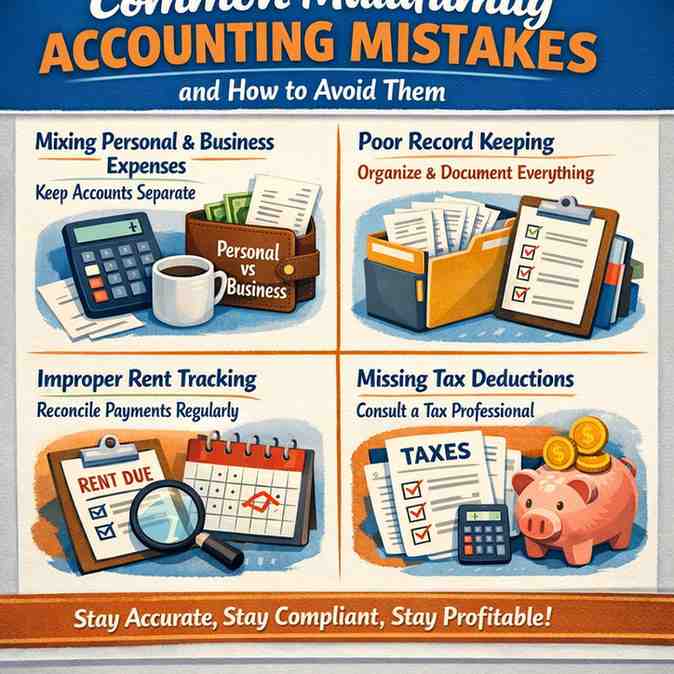
2. Poor Rent Tracking and Delinquency Management
The Mistake
Failing to accurately track rent payments, late fees, and outstanding balances can cause revenue leakage and inconsistent cash flow.
Why It’s a Problem
- Lost income
- Delayed collections
- Inaccurate financial reporting
- Increased bad debt
How to Avoid It
- Use automated rent collection systems
- Generate aging reports regularly
- Apply late fees consistently
- Monitor delinquency trends monthly
Accurate rent tracking is a core component of multifamily apartment accounting and directly impacts Residential Property profitability.
3. Misclassifying Capital Expenditures as Operating Expenses
The Mistake
Confusing routine maintenance with capital improvements is a common accounting error.
Operating Expenses:
- Minor repairs
- Landscaping
- Cleaning services
Capital Expenditures:
- Roof replacement
- HVAC upgrades
- Structural renovations
Why It’s a Problem
- Distorted financial statements
- Incorrect tax reporting
- Misleading net operating income (NOI)
How to Avoid It
- Clearly define expense categories
- Train staff on proper classification
- Review large expenses carefully
- Consult accounting professionals when necessary
Proper classification is essential in both multifamily apartment accounting and Commercial Real Estate Accounting.
4. Failing to Reconcile Bank Accounts Monthly
The Mistake
Some property managers neglect regular bank reconciliations, allowing discrepancies to accumulate.
Why It’s a Problem
- Undetected fraud
- Duplicate payments
- Missed transactions
- Inaccurate reporting
How to Avoid It
- Reconcile operating and trust accounts monthly
- Assign accountability for reconciliation
- Investigate discrepancies immediately
Routine reconciliation strengthens financial accuracy and protects Residential Property assets.
5. Inconsistent Chart of Accounts
The Mistake
Using inconsistent or poorly structured charts of accounts across properties leads to confusion and reporting challenges.
Why It’s a Problem
- Difficult financial comparisons
- Complicated investor reporting
- Misaligned budgeting
How to Avoid It
- Standardize the chart of accounts
- Align categories with Commercial Real Estate Accounting standards
- Use consistent codes for income and expense types
Consistency enables clearer portfolio analysis and stronger financial oversight.
6. Ignoring Budget Variance Analysis
The Mistake
Creating a budget but failing to compare it against actual results is a missed opportunity.
Why It’s a Problem
- Overspending goes unnoticed
- Inefficiencies persist
- Cash flow forecasting becomes unreliable
How to Avoid It
- Generate monthly budget vs. actual reports
- Investigate significant variances
- Adjust projections proactively
In multifamily apartment accounting, variance analysis helps identify trends before they become financial problems.
7. Weak Internal Controls
The Mistake
Allowing one person to handle all financial tasks—such as receiving payments, recording transactions, and reconciling accounts—creates risk.
Why It’s a Problem
- Increased fraud risk
- Financial mismanagement
- Lack of accountability
How to Avoid It
- Separate financial duties
- Require approval for large expenses
- Implement audit trails
- Conduct periodic financial reviews
Strong internal controls are essential for both Residential Property management and Commercial Real Estate Accounting integrity.
8. Poor Accounts Payable Management
The Mistake
Failing to track vendor invoices and payment schedules accurately.
Why It’s a Problem
- Late fees
- Duplicate payments
- Damaged vendor relationships
- Cash flow instability
How to Avoid It
- Use centralized invoice processing
- Schedule payments strategically
- Track vendor contracts
- Monitor recurring expenses
Organized accounts payable processes improve cash flow management and operational efficiency.
The Importance of Professional Expertise
Many of these mistakes stem from treating multifamily accounting like general bookkeeping. In reality, multifamily apartment accounting requires knowledge of:
- Rental revenue structures
- Property-level financial analysis
- Lease agreements
- Depreciation schedules
- Investor reporting
- Compliance regulations
Because multifamily assets fall under broader Commercial Real Estate Accounting principles, working with experienced accounting professionals ensures accuracy and strategic financial management.
Final Thoughts
Financial missteps in multifamily apartment accounting can lead to reduced profitability, compliance risks, and strained investor relationships. From commingling funds and misclassifying expenses to neglecting reconciliations and variance analysis, small errors can create significant financial consequences.
By implementing structured accounting processes, maintaining strong internal controls, and aligning with Commercial Real Estate Accounting standards, property managers can protect and enhance Residential Property performance.
Avoiding these common mistakes not only improves financial accuracy but also strengthens cash flow, supports long-term growth, and increases property value. In today’s competitive real estate environment, disciplined and professional accounting practices are not optional—they are essential for sustainable success.