NativePath Hydrate Stick Packs Review: Ingredients, Pricing, and Practical Verdict
-
- Published Updated
- 441 views
NativePath Hydrate stick packs review: an independent look at ingredients, pricing, and whether these electrolyte powder packets are a sensible buy for daily hydration or active recovery. This article breaks down the formula, cost per serving, real-world use cases, and key trade-offs to decide if the product fits specific needs.
Quick verdict: NativePath Hydrate is an electrolyte powder sold in single-serve stick packs. It can be convenient for travel and workouts but is not a medical oral rehydration solution. Check electrolytes, sugar content, and price per serving before buying.
Detected intent: Commercial Investigation
Primary keyword: NativePath Hydrate stick packs review
What the product is and what's inside
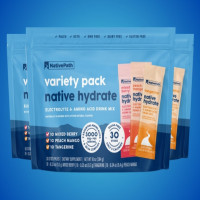
NativePath Hydrate stick packs are single-serve electrolyte powder packets intended to mix with water. The typical formulation lists sodium, potassium, magnesium, and flavoring agents, often combined with a small amount of carbohydrate for taste and absorption. These stick packs are positioned as a convenient alternative to powder tubs or sports drinks.
NativePath Hydrate stick packs review: formula, servings, and pricing
Packaging and price are key purchasing factors. Pricing listed at the time of review often shows single-bottle or multi-bottle offers; common advertised bundles include a 1-per-bottle price and multi-bottle discounts (for example, price breaks when buying two bottles plus shipping). That makes understanding the effective cost per stick essential for comparison with other electrolyte stick packs or powder tubs.
Ingredients and nutrition profile
Core electrolyte ingredients to check in any hydration supplement are sodium, potassium, magnesium, and chloride. Also evaluate added sugars, sweeteners, and unnecessary fillers. A balanced electrolyte packet will supply modest amounts of sodium and potassium to support fluid balance without excessive sugar.
Packaging and convenience
Stick packs are convenient for travel, gym bags, and commuting because they remove the need for measuring spoons. However, single-serve packaging increases cost and waste compared with bulk tubs.
How electrolyte stick packs compare (electrolyte stick packs & NativePath Hydrate pricing)
Comparing electrolyte stick packs requires looking at three factors: electrolyte milligrams per serving, carbohydrate/sugar content, and effective cost per serving. Some powders are designed for endurance athletes and contain higher sodium; others aim at daily supplementation with lower sodium and added vitamins.
Trade-offs: convenience vs. cost
Stick packs trade lower unit cost-efficiency for convenience. For daily hydration, tubs often offer a lower price per serving, while stick packs are easier to portion for on-the-go use. Consider sustainability and packaging waste as additional trade-offs.
HYDRATE Checklist — a quick buying framework
Use the named HYDRATE Checklist when evaluating any electrolyte stick pack:
- H — Hydration goal: define whether the use is daily maintenance, exercise, or recovery.
- Y — Yield of electrolytes: check mg of sodium, potassium, magnesium.
- D — Dosage clarity: serving size and mix instructions.
- R — Real ingredients: avoid unnecessary flavors, dyes, or proprietary blends hiding quantities.
- A — Allergens & additives: check for allergens, sugar alcohols, or excess caffeine.
- T — Timing: when to take (before, during, after activity) per stated guidance.
- E — Economics: calculate price per serving including shipping (NativePath Hydrate pricing varies by bundle).
Real-world example: a runner’s decision
A 35-year-old recreational runner training for a 10K wants something to prevent cramping during afternoon runs. Using the HYDRATE Checklist, this runner compares the sodium per serving and finds a stick pack that delivers ~200–300 mg sodium per serving with 50–100 mg potassium and minimal sugar. For a 45–60 minute moderate run, that packet amount is likely adequate. For multi-hour endurance events, a higher-sodium solution or additional electrolyte source would be better.
Practical tips for using stick packs
- Mix into 12–16 oz of water unless packet instructions specify otherwise; stronger solutions can irritate the stomach for some people.
- Check total daily sodium if on a sodium-restricted diet — combine all sources (food and supplements).
- Store stick packs in a cool, dry place; single-serve packets are sensitive to moisture.
- Compare cost per serving including shipping to tubs and powdered mixes before buying multiple bottles.
Common mistakes and trade-offs when choosing hydration supplements
Common mistakes include assuming more electrolytes are always better, ignoring sugar content, and neglecting cost-per-serving. Another frequent error is treating these products as medical rehydration solutions; oral rehydration therapy for dehydration due to illness should follow medical guidance.
Trade-offs to weigh
- Convenience vs waste and cost: stick packs cost more and produce more packaging waste than tubs.
- Electrolyte profile vs flavor: some low-sugar options have bitter tastes without sweeteners, which may not be suitable for all users.
- Supplement regulation vs claims: dietary supplements are not approved by the FDA for safety and efficacy the same way drugs are, so label scrutiny is essential.
For regulatory context, review official guidance from the U.S. Food and Drug Administration on dietary supplement labeling and claims: FDA: Dietary Supplements.
Decision guide: who should consider NativePath Hydrate stick packs?
Choose stick packs if portability and single-serve dosing matter more than lowest cost per serving. Athletes on the go and travelers may prefer stick packs for convenience. If the aim is daily low-cost electrolyte maintenance, bulk powders often offer better value.
Core cluster questions
- What are the typical electrolyte values in stick packs compared to sports drinks?
- How does sugar content affect hydration effectiveness and recovery?
- What is the cost per serving for single-serve stick packs versus tubs?
- When is an electrolyte supplement necessary for everyday hydration?
- Are electrolyte supplements regulated and safe for people with medical conditions?
Final practical verdict
NativePath Hydrate stick packs can be a practical, convenient source of electrolytes for workouts and travel, but confirm the electrolyte quantities, sugar content, and effective price per serving before purchase. Use the HYDRATE Checklist and the tips above to match the product to specific hydration goals. For medical dehydration or health conditions, consult a healthcare professional.
FAQ — NativePath Hydrate stick packs review: Is this product worth the price?
Whether NativePath Hydrate stick packs are worth the price depends on the user's priorities: convenience and single-serve dosing justify higher per-serving cost for some; others will prefer bulk powders for daily savings.
How many electrolytes should be in a single serving of an effective stick pack?
Effective servings vary by use: for daily maintenance, lower sodium (100–300 mg) and modest potassium (50–200 mg) may be sufficient. For endurance exercise, higher sodium (300–700 mg or more) is common. Match amounts to activity intensity and duration.
Are stick packs safe for people on low-sodium diets?
Not necessarily. People on low-sodium diets should check packet sodium and consult a clinician before use. Many electrolyte packets contain substantial sodium and can conflict with medical sodium restrictions.
Can stick packs replace sports drinks or water during exercise?
Stick packs mixed with water can replace sports drinks for electrolyte replenishment while reducing added sugars in some formulations. For short-duration activities, plain water is often sufficient. For prolonged or intense exercise, an electrolyte solution is helpful.
Where to find more official guidance on dietary supplements?
Official resources about regulatory rules and safety for dietary supplements are available from the U.S. Food and Drug Administration at their Dietary Supplements page: https://www.fda.gov/food/dietary-supplements.