How to Achieve Natural-Looking Cheeks with Filler in Dubai
-
- February 23rd, 2026
- 1,119 views

Get a free topical map and start building content authority today.
Cheek filler in Dubai is a commonly requested non-surgical procedure for restoring volume, improving facial contours, and achieving a refreshed appearance. This guide explains common filler types, realistic outcomes, safety considerations, recovery expectations, and how to evaluate providers in the UAE context.
- Cheek filler commonly uses hyaluronic acid or longer-lasting injectable gels to add volume.
- Qualified, licensed practitioners and clinic accreditation are key safety factors.
- Expect temporary bruising/swelling and results that last from several months to a couple of years depending on product.
- Regulatory information and practitioner credentials can be checked with local health authorities.
Cheek filler in Dubai: common options and how they work
Injectable cheek fillers are designed to replace lost facial volume, support overlying tissues, and smooth transitions between facial zones. The most common filler materials used are hyaluronic acid (HA), which is reversible and widely studied, and biostimulatory fillers that encourage collagen production. HA fillers vary by viscosity and cross-linking; thicker, more cohesive formulations are often selected for deep cheek augmentation, while lighter gels can refine contours.
Types of fillers and expected longevity
Hyaluronic acid (HA) fillers
HA fillers are commonly used because they integrate with tissue, can be adjusted after placement, and can be dissolved if necessary using an enzyme called hyaluronidase. Results typically last from 6 to 18 months depending on product, injection depth, and individual metabolism.
Biostimulatory fillers
Biostimulatory agents stimulate the body’s collagen production and may offer longer-lasting volume over time. Onset and longevity vary; some products can provide structural improvement for one to two years or longer but are not reversible in the same way HA is.
Choosing a filler for natural results
Natural-looking outcomes depend on product selection, injection technique, and a conservative approach to volume. Experienced injectors aim to restore balance and proportion rather than create abrupt enhancement.
Safety, regulation, and finding a qualified provider
Safety begins with a licensed practitioner who has specific training in facial anatomy and injectables. In Dubai, clinic licensing and practitioner registration are regulated by local health authorities; verified credentials and clinic accreditation reduce risk. For official regulatory information, consult the Dubai Health Authority website (DHA).
Verification and credentials
Look for practitioners with documented training in aesthetic injectables, membership in national or international professional societies, and a record of practicing within regulated facilities. Regulatory bodies and professional organizations publish guidance on training standards and safe practice.
Consultation and assessment
A thorough consultation includes medical history, discussion of goals, facial analysis, and explanation of likely results and potential adverse effects. A safe practitioner will explain risks, alternative approaches, and realistic expectations for symmetry and longevity.
Procedure overview and what to expect
Before the injection
Pre-procedure assessment identifies contraindications such as active skin infections, certain inflammatory conditions, or known allergies to product components. Medication and supplement review may be part of the assessment to help reduce bleeding risk.
During the injection
The procedure commonly takes 15–45 minutes depending on complexity. Numbing creams or local anesthetic with the filler may be used. Precise, layered placement helps achieve a natural contour and avoids overcorrection.
Aftercare and recovery
Mild swelling and bruising are common and usually resolve within a few days to two weeks. Cold compresses and avoiding strenuous activity for 24–72 hours are commonly recommended. Follow-up visits assess results and possible touch-ups.
Risks, complications, and management
Most side effects are temporary and minor, such as bruising, swelling, and tenderness. Less common complications include infection, nodules, and vascular occlusion, which require prompt management. Having the procedure performed by an experienced injector who recognizes and treats complications is a critical safety element.
Cost factors and value considerations
Price depends on the product used, number of syringes, injector experience, and clinic location. Cost should not be the sole deciding factor; prioritize safety, documented outcomes, and proper credentials. Some clinics offer initial consultations to discuss personalized treatment plans and pricing ranges without obligation.
Practical tips for a natural outcome
- Start conservatively: gradual enhancement over multiple sessions often looks more natural than a single large-volume treatment.
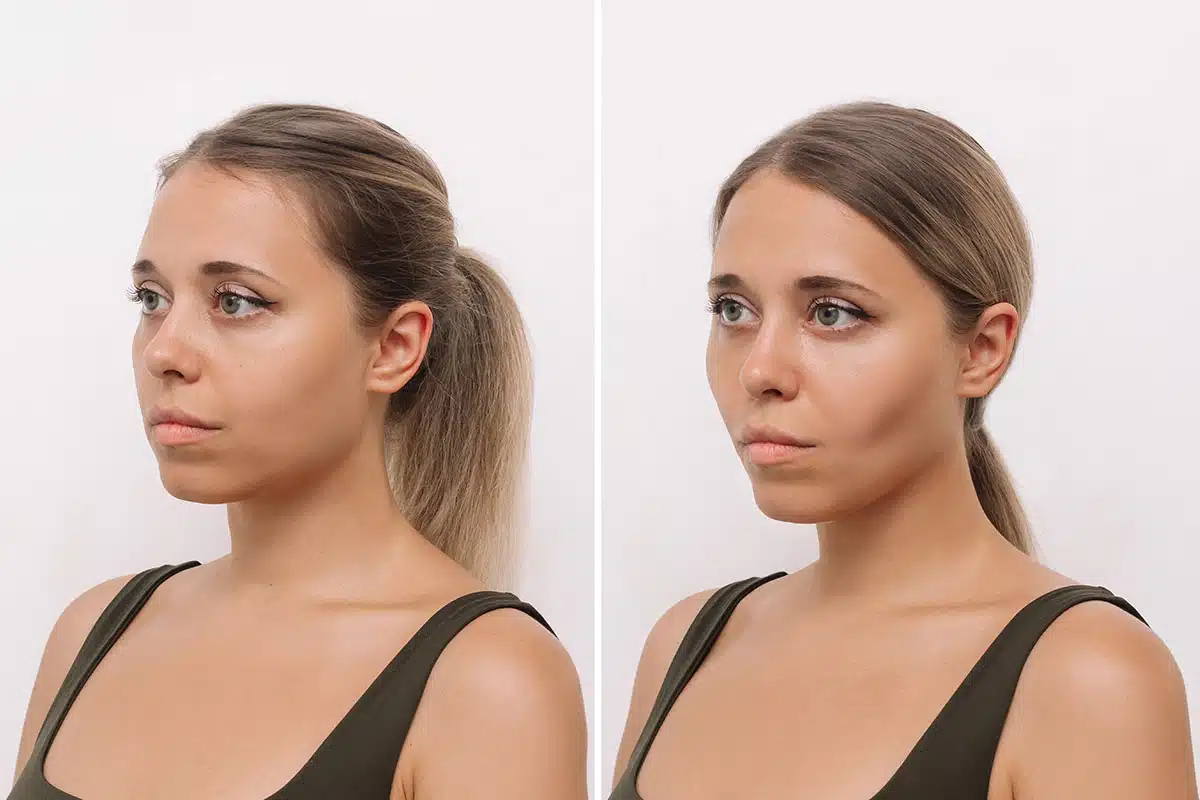
- Review before-and-after photos from the treating practitioner that reflect similar facial types and goals.
- Ask about contingency planning for complications and availability for follow-up care.
Conclusion
Cheek filler in Dubai can provide subtle, natural-looking facial rejuvenation when performed by qualified providers using appropriate products and techniques. Understanding options, realistic outcomes, safety considerations, and verification of credentials supports better decisions and safer results.
FAQ
How long does cheek filler in Dubai usually last?
Longevity varies by product and individual factors: hyaluronic acid fillers commonly last 6–18 months, while some biostimulatory fillers may provide longer-lasting structural improvement. Metabolism, injection depth, and product type influence duration.
Is the procedure painful and what is the recovery time?
Sensation varies; topical or local anesthetic is often used. Most people experience mild swelling and bruising for several days to two weeks. Normal activities can often resume within 24–72 hours, avoiding strenuous exercise initially.
What are the main safety considerations when choosing a provider?
Confirm clinic licensing and practitioner credentials, ask about training in facial anatomy and injectables, and review documented results and complication protocols. Local health authority regulations and clinic accreditation are useful verification points.
Can cheek filler be reversed if the result is not satisfactory?
Hyaluronic acid fillers can be dissolved using hyaluronidase in many cases. Biostimulatory fillers are not reversible in the same way; management of concerns may require different approaches and should be discussed during consultation.