How to Choose Open Folding Boxes Suppliers: Materials, Printing, and Certification Guide
-
- Published Updated
- 1,387 views
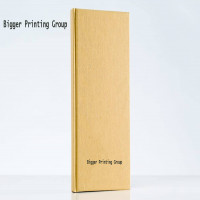
Finding reliable open folding boxes suppliers is an important step for brands, manufacturers, and fulfillment centers that need folding cartons, paperboard packaging, or custom retail boxes. This guide explains common materials, manufacturing processes, compliance considerations, sustainability credentials, and practical sourcing tips to evaluate vendors and protect product presentation and durability.
- Open folding boxes (folding cartons) are typically made from paperboard, corrugated board, or litho-laminated substrates.
- Key buyer considerations: material grade, printing method, minimum order quantity (MOQ), lead time, certifications (FSC, ISO), and food-contact compliance.
- Request samples, production tolerances, and a quality control plan before placing larger orders.
Choosing open folding boxes suppliers
Select suppliers based on capability, quality systems, and fit with the product's distribution environment. Important supplier characteristics include experience with die-cut folding cartons, sample and prototyping services, printing technologies (offset, digital, flexo), finishing options (varnish, UV, aqueous coatings), and secondary operations such as gluing, kitting, and fulfillment-ready packing.
Materials and construction
Common substrates
Open folding boxes are commonly produced from: paperboard (solid bleached sulphate, coated recycled board), corrugated board for more protection, and specialty laminates for high-end retail presentation. Paperboard weights are measured in grams per square meter (gsm); thickness and stiffness determine when corrugated is preferable.
Construction methods
Key construction terms include die-cutting for box blanks, creasing for folding lines, and glue or tuck closures. Litho-lamination combines high-quality offset printing with a corrugated or solid board backing. Understanding these terms helps set realistic expectations for prototypes and production runs.
Printing, finishing, and artwork considerations
Printing technologies
Offset printing provides color accuracy and is cost-effective at higher volumes. Digital printing reduces setup time and supports shorter runs or variable data. Flexographic printing is common for corrugated materials. Ask suppliers for color-matching capabilities and proof types (digital proof, press proof).
Finishing and embellishments
Options include matte or gloss varnish, spot UV, cold foil, embossing, and windowing. Each finishing option affects cost, lead time, and recyclability. Discussions about varnishes and coatings are important when recyclability or compostability is a requirement.
Sustainability, compliance, and certifications
Environmental and regulatory considerations are increasingly important. Look for chain-of-custody and forest certifications such as FSC or PEFC, documented recycling rates, and statements about recycled content. For food-contact packaging, verify supplier compliance with relevant food-safety regulations such as Food and Drug Administration (FDA) guidance in the U.S. or EU food-contact legislation. Quality management certifications (for example, ISO 9001) and food safety standards (where applicable) indicate formal processes for consistent production.
For guidance on responsible sourcing and forest stewardship, consult recognized certification bodies such as the Forest Stewardship Council (FSC). Forest Stewardship Council (FSC)
Sourcing, lead times, and cost drivers
Typical lead times and MOQs
Lead times depend on complexity, tooling needs, and current factory capacity. Short digital runs can ship in days, while offset-printed, die-cut production often takes several weeks. Minimum order quantities (MOQs) vary widely: digital suppliers may accept low quantities, while traditional converters require higher MOQs to justify tooling and press setup.
Factors that affect price
Major cost drivers include material type and gram weight, number of colors in printing, specialized finishing, die tooling, and order volume. Shipping and import duties, especially for overseas suppliers, can substantially affect landed cost. Request a breakdown of unit cost, tooling amortization, proofing charges, packaging of finished goods, and freight options to compare bids accurately.
Working with suppliers: quality control and production management
Samples, proofs, and pre-production checks
Always request physical samples and colour proofs before full runs. Samples allow testing of fit, strength, folding accuracy, and the interaction of inks or coatings with the substrate. Confirm tolerances for dimensions, print registration, glue application, and stacking/transport stability.
Quality assurance and inspections
Define acceptance criteria in writing and consider third-party inspections for critical shipments. Production lot testing can include burst strength, board stiffness, colour consistency, and functional checks for closures and fit. Suppliers with ISO 9001 or equivalent management systems typically maintain documented processes that reduce variation.
Logistics, lead time risks, and communication
Effective communication and clear specifications reduce delays. Share dielines, dieline-safe fonts, color references (Pantone or CMYK values), and expected performance conditions (warehouse humidity, drop or crush requirements). Plan for safety stock if supply-chain disruption or long transit times could impact inventory.
Frequently asked questions
How to evaluate open folding boxes suppliers?
Evaluate based on material capabilities, sample quality, production capacity, certifications (FSC, ISO), proof and sample policies, minimum order quantities, lead times, and total landed cost. Verify references and request factory photos or third-party inspection reports if needed.
What materials are best for retail open folding boxes?
Coated paperboard (solid bleached sulphate) is common for premium retail packaging. For higher protection or multi-item sets, corrugated or litho-laminated constructions may be preferable. Choice depends on presentation needs, handling conditions, and sustainability goals.
Can open folding boxes be fully recycled?
Many open folding boxes made from single-material paperboard are recyclable in standard paper streams. Boxes with mixed materials (plastic windows, metallic foils, or certain coatings) may require separation or specialized recycling. Suppliers should provide recyclability statements and guidance on local disposal.
What certifications should buyers request from suppliers?
Common useful certifications include chain-of-custody forest certification (FSC or PEFC), ISO 9001 for quality management, and relevant food-contact compliance documentation. Certifications demonstrate a supplier's commitment to standards and traceability but should be reviewed alongside performance records and samples.