Why Organic Cotton Bedding Is a Healthier, More Sustainable Choice
-

- Published Updated
- 1,338 views
The term organic cotton bedding describes sheets, pillowcases, duvet covers, and other bed textiles made from cotton grown and processed according to organic agricultural and manufacturing standards. Choosing organic cotton bedding can reduce exposure to certain agricultural pesticides, lower environmental impacts associated with conventional cotton production, and encourage textile supply chain transparency.
Organic cotton bedding is produced without conventional synthetic pesticides and often follows stricter processing limits for chemicals. Potential benefits include reduced pesticide residues, fewer synthetic chemical finishes, and improved environmental outcomes. Look for third-party certification, follow care instructions to extend product life, and balance cost and performance when choosing bedding.
Benefits of Organic Cotton Bedding
Health and indoor exposure
Organic cotton bedding commonly involves fewer agrochemicals during cultivation and limits the use of some synthetic finishes and dyes during manufacturing. This can reduce the likelihood of residues from pesticides, synthetic fertilizers, and certain chemical finishes on the finished fabric. For people sensitive to fragrance, dye residues, or formaldehyde-based finishes, organic options may lower exposure to those substances, though individual responses vary.
Environmental advantages
Organic cotton production emphasizes soil health, crop rotation, and the avoidance of most synthetic pesticides and fertilizers. This approach can reduce water pollution and support biodiversity compared with many conventional cotton systems. Organic practices also tend to improve soil carbon sequestration over time, which is one reason environmental organizations and agricultural researchers highlight organic fiber systems.
How organic cotton is grown and processed
Farming practices
Organic cotton is grown using natural inputs and cultural practices such as mechanical weed control, biological pest control, and cover cropping. Certified organic farms must meet standards that typically prohibit genetically modified organisms (GMOs) and restrict synthetic agrochemical use. Farmers often focus on building soil fertility through compost and other organic matter.
Processing and finishing
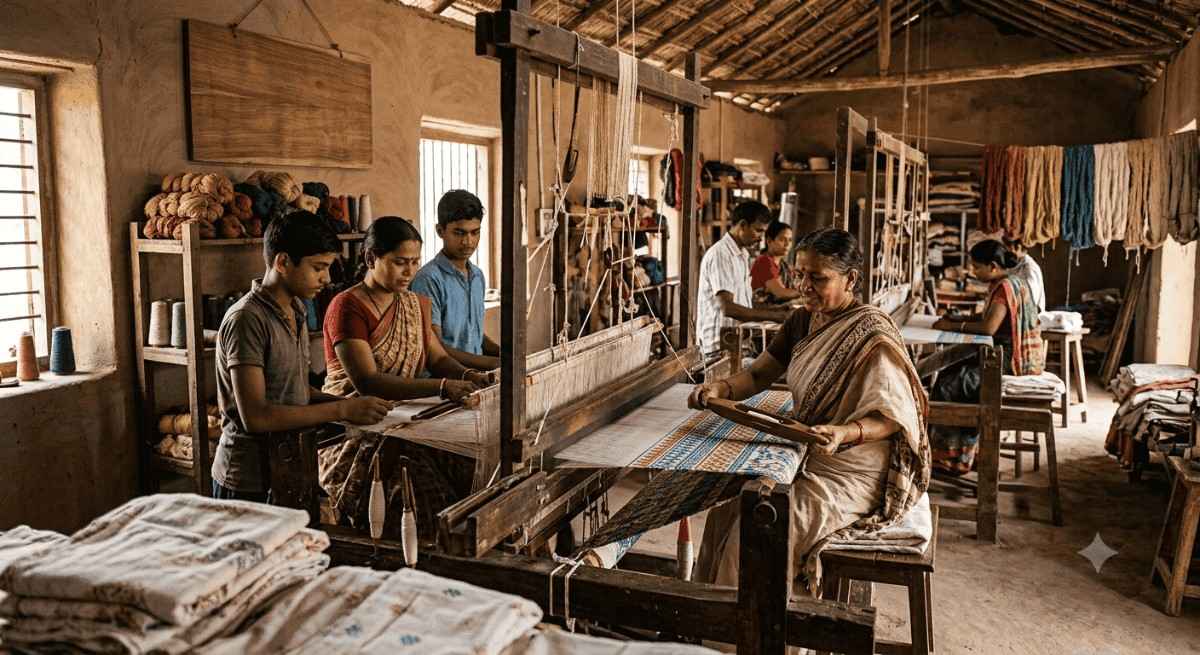
After harvest, organic cotton fiber goes through ginning, spinning, weaving or knitting, and finishing. Certification standards for organic textiles often include limits on chemical finishes, flame retardants, and certain dye classes. Looking for evidence of textile-specific certification helps confirm that both farming and processing practices meet recognized criteria.
Health considerations and allergy concerns
Allergies and sensitivities
Some people with sensitive skin or chemical sensitivities report improved comfort with organic cotton bedding because it may undergo fewer intense chemical treatments. However, organic cotton is not hypoallergenic by definition. Dust mites, pet dander, and other allergens are influenced more by sleeping environment and cleaning frequency than by whether cotton is organic.
Respiratory and skin safety
Health and environmental agencies such as the U.S. Environmental Protection Agency (EPA) and the World Health Organization (WHO) provide guidance on pesticide exposure and indoor air quality; reducing agricultural chemical use contributes to lower environmental residues broadly. Still, scientific studies vary, and textiles should not be assumed to eliminate all exposures. Washing new bedding before first use can reduce surface residues regardless of origin.
Environmental impact compared to conventional cotton
Water use, pesticides, and biodiversity
Conventional cotton is often associated with high water use and significant pesticide applications in some growing regions. Organic cotton systems typically use less synthetic pesticide and fertilizer, which can benefit water quality and local ecosystems. Life-cycle assessments suggest environmental outcomes depend on farming practices, yield differences, transport, and processing methods.
Durability and lifecycle considerations
Environmental benefits increase when bedding is durable and used for a long time. Higher-quality textiles that withstand repeated laundering and repair reduce the need for frequent replacement, lowering the overall environmental footprint across the product lifecycle.
Care, durability, and performance
Washing and maintenance
Follow manufacturer care instructions to preserve fabric integrity. Washing in cool water with a mild detergent, avoiding excessive heat drying, and repairing small tears can extend service life. Many modern organic cotton textiles are comparable to conventional cotton in softness, breathability, and performance.
Thread count and weave
Thread count and weave type influence feel and breathability more than organic status. Percale weaves are crisp and breathable, while sateen weaves are smoother and warmer. Evaluate fabric weight and weave for sleep preferences rather than relying solely on marketing terms.
Choosing certified products and what to look for
Certification and labeling
Look for third-party textile certifications that verify organic fiber content and restricted chemical use. Organizations such as the Global Organic Textile Standard (GOTS) set criteria for both farming and processing stages and are widely recognized in the textile industry. Certification labels indicate supply chain oversight, which helps confirm claims about organic production methods.
For more information on textile standards and certification, see the Global Organic Textile Standard website: global-standard.org.
Transparency and material content
Review product descriptions for fiber content (100% organic cotton versus blends), certification details, and country of origin. Transparent brands and retailers often provide information about processing facilities, certification numbers, and care recommendations.
Cost and accessibility
Organic cotton bedding often has a higher upfront cost than conventional cotton due to certification, lower yields, and supply chain verification. Budget-conscious consumers can seek sales, outlet options, or certified organic items for high-contact pieces like pillowcases and fitted sheets rather than replacing an entire bedding set at once.
Making an informed choice
Weigh priorities such as chemical exposure, environmental impact, durability, and budget. Certification, clear product information, and good care practices help maximize the benefits of organic cotton bedding over time.
FAQ
Is organic cotton bedding better for allergies?
Organic cotton bedding may reduce exposure to certain agricultural and processing chemicals that can irritate sensitive skin in some people. However, allergies to dust mites, pet dander, and mold are more influenced by cleaning habits and indoor environment than by whether cotton is organic. Washing bedding regularly and controlling humidity are key steps to reduce allergen buildup.
How can certification be verified?
Check product labels for certification names and numbers, then verify those credentials with the issuing organization or on certified product registries. Recognized textile certifications typically publish guidance and searchable registries for consumers.
Does organic cotton mean pesticide-free?
Organic cotton is produced without most synthetic pesticides and fertilizers, but organic standards allow certain natural and approved inputs. The result is substantially reduced synthetic chemical use compared with most conventional cotton systems, though no agricultural system is entirely free of all inputs.
How should organic cotton bedding be cared for to last longer?
Wash in cool or warm water with a mild detergent, avoid high-temperature drying, repair small tears promptly, and store bedding clean and dry to extend service life. Proper care reduces wear and maintains fabric performance.