What Can Parents Expect Before, During, and After Paediatric Surgery?
-

- Published Updated
- 3,438 views
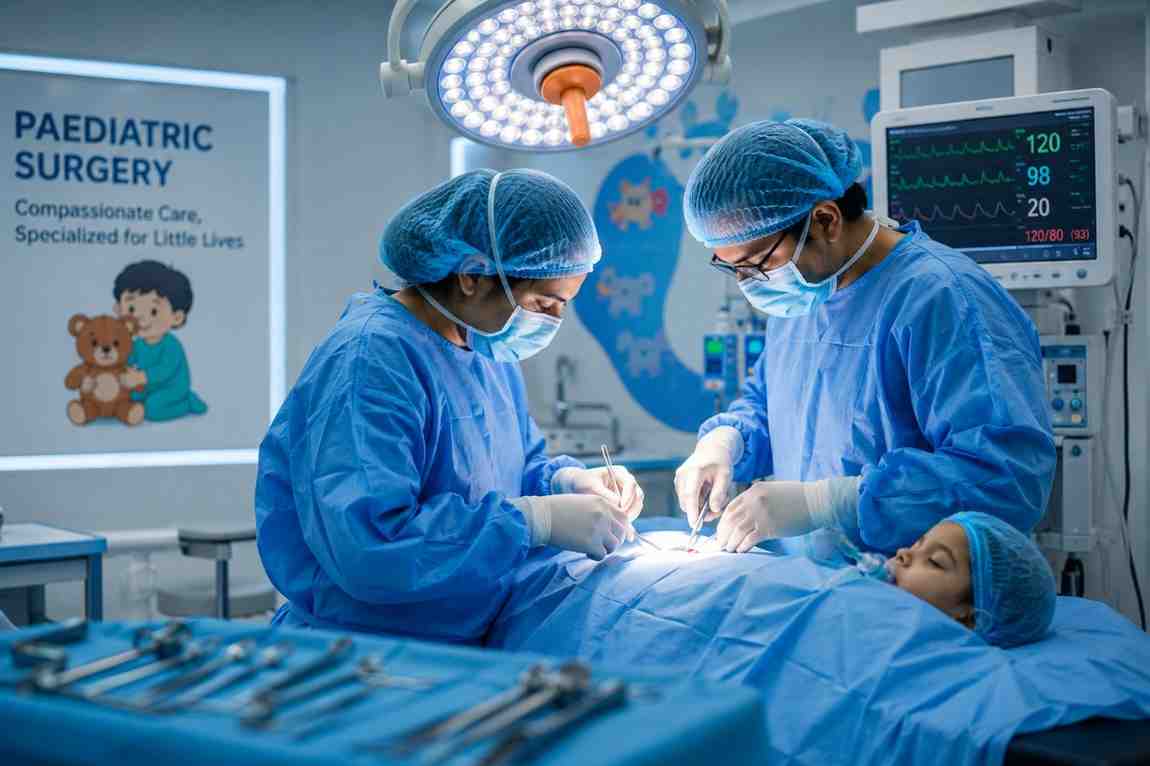
Paediatric surgery can be an unfamiliar and emotional experience for children and their parents. Knowing what happens before, during, and after an operation can make the process easier to understand and help families prepare practical questions. The exact experience varies according to the child's age, diagnosis, overall health, and type of procedure. For families researching the top super specialty hospital in srinagar,kashmir, understanding the surgical journey can help them evaluate care options and prepare their child appropriately.
Before Paediatric Surgery
Preparation begins with a consultation. The surgeon reviews the child's symptoms, diagnosis, medical history, previous operations, allergies, medicines, and relevant test results. Depending on the condition and procedure, the child may need blood tests, imaging, or other investigations before surgery.
The medical team should explain why surgery is being considered, what the procedure involves, possible alternatives, expected recovery, and potential risks. Parents should feel comfortable asking questions about anaesthesia, hospital stay, pain management, wound care, activity restrictions, and follow-up.
Parents should provide accurate information about medicines, supplements, and allergies. If the child has previously experienced a reaction to anaesthesia or medicines, tell the healthcare team before surgery.
Preparing Your Child Emotionally
Children may feel nervous about hospitals, needles, unfamiliar people, or being separated from their parents. How parents explain surgery can influence how comfortable the child feels.
Following Preoperative Instructions
The hospital may provide instructions about fasting, medicines, bathing, clothing, arrival time, and other preparation. Fasting requirements can vary depending on the child's age, planned procedure, and anaesthesia plan, so parents should follow the specific instructions provided by the healthcare team.
Do not stop or change prescribed medicines unless the child's doctor or anaesthesia professional specifically advises you to do so.
If the child develops fever, cough, vomiting, diarrhoea, an infection, or another significant change in health before surgery, inform the healthcare team. They can determine whether the operation should proceed as planned.
What Happens on the Day of Surgery?
On arrival, the child may undergo registration and a preoperative assessment. Healthcare professionals may check vital signs, review medical information, confirm the planned procedure, and answer last-minute questions.
Parents may be asked to provide consent after the procedure, risks, benefits, and alternatives have been explained. The exact consent process varies according to local hospital policies and the circumstances.
During Paediatric Surgery
Once the child enters the operating area, the surgical and anaesthesia teams work together. The anaesthesia team monitors important functions such as breathing, heart rate, blood pressure, and oxygen levels while the surgeon performs the planned procedure.
Parents generally wait in a designated area during surgery. Hospital staff can explain how updates are provided and when the surgeon or another member of the team will speak with the family.
A hospital should be considered based on the availability of appropriate paediatric surgical expertise, anaesthesia support, monitoring, and postoperative care rather than on general promotional claims.
Immediately After Surgery
After the procedure, the child is taken to a recovery area where trained professionals monitor them as they wake from anaesthesia. They may check breathing, oxygen levels, heart rate, blood pressure, pain, alertness, and other relevant observations.
The medical team can provide appropriate treatment and explain what is expected for that particular procedure.
Whether the child goes home on the same day or remains in hospital depends on the operation, recovery, medical condition, and clinical assessment.
Pain Management After Surgery
Pain management is an important part of paediatric recovery. The healthcare team may use prescribed medicines and other appropriate measures depending on the child's age and procedure.
Parents should give medicines exactly as instructed and should not administer additional medicines without checking with the healthcare professional when there is uncertainty.
Children may not always describe pain clearly. Changes such as unusual crying, irritability, difficulty sleeping, reduced activity, or changes in eating may be useful information to share with the care team.
Recovery at Home
Before discharge, parents should receive instructions about medicines, wound care, bathing, diet, physical activity, school or childcare, and follow-up appointments. Keep these instructions available at home.
Children recover at different speeds. Some may return to normal activities relatively quickly, while others need more time. Parents should follow the surgeon's recommendations rather than comparing one child's recovery with another's.
Warning Signs During Recovery
Parents should know which symptoms require medical attention after surgery. Depending on the procedure, concerning signs may include worsening pain, persistent fever, significant bleeding, breathing difficulty, repeated vomiting, unusual drowsiness, dehydration, or increasing redness, swelling, or discharge from a surgical wound.
The appropriate response depends on the child's procedure and condition. Parents should follow the discharge instructions and contact the surgical team if they are concerned. Severe or rapidly worsening symptoms may require urgent medical assessment.
Follow-Up Appointments
Follow-up visits allow the surgical team to check healing and address questions. Depending on the procedure, the child may need wound assessment, dressing changes, suture removal, repeat testing, or advice about returning to normal activities.
Choosing the Right Hospital
When selecting a hospital for paediatric surgery, families should consider more than the availability of an operating room. Relevant factors include paediatric surgical expertise, anaesthesia services, diagnostic facilities, nursing support, emergency care, infection-prevention practices, postoperative monitoring, and follow-up arrangements.
Families researching the top super specialty hospital in srinagar,kashmir can also ask whether the hospital provides the specific paediatric surgical service their child requires and how the team communicates with parents before and after treatment.
The top super specialty hospital in srinagar,kashmir should be evaluated according to the child's individual medical needs, available expertise, and quality of patient support rather than rankings or advertising alone.
Conclusion
Paediatric surgery involves several stages, from preoperative assessment and emotional preparation to anaesthesia, surgery, recovery, discharge, and follow-up. Parents can make the experience more manageable by providing complete medical information, following preparation instructions, asking questions, and monitoring their child's recovery carefully. If you are considering the top super specialty hospital in srinagar,kashmir, Noora Hospital can be part of your research when its available paediatric surgical services match your child's healthcare needs. Discuss the planned procedure, expected recovery, and warning signs with qualified healthcare professionals so your family can make informed decisions.