Why Parking Search Time Is a Hidden Cost for Commercial Facilities
-

- September 20th, 2026
- 4,596 views
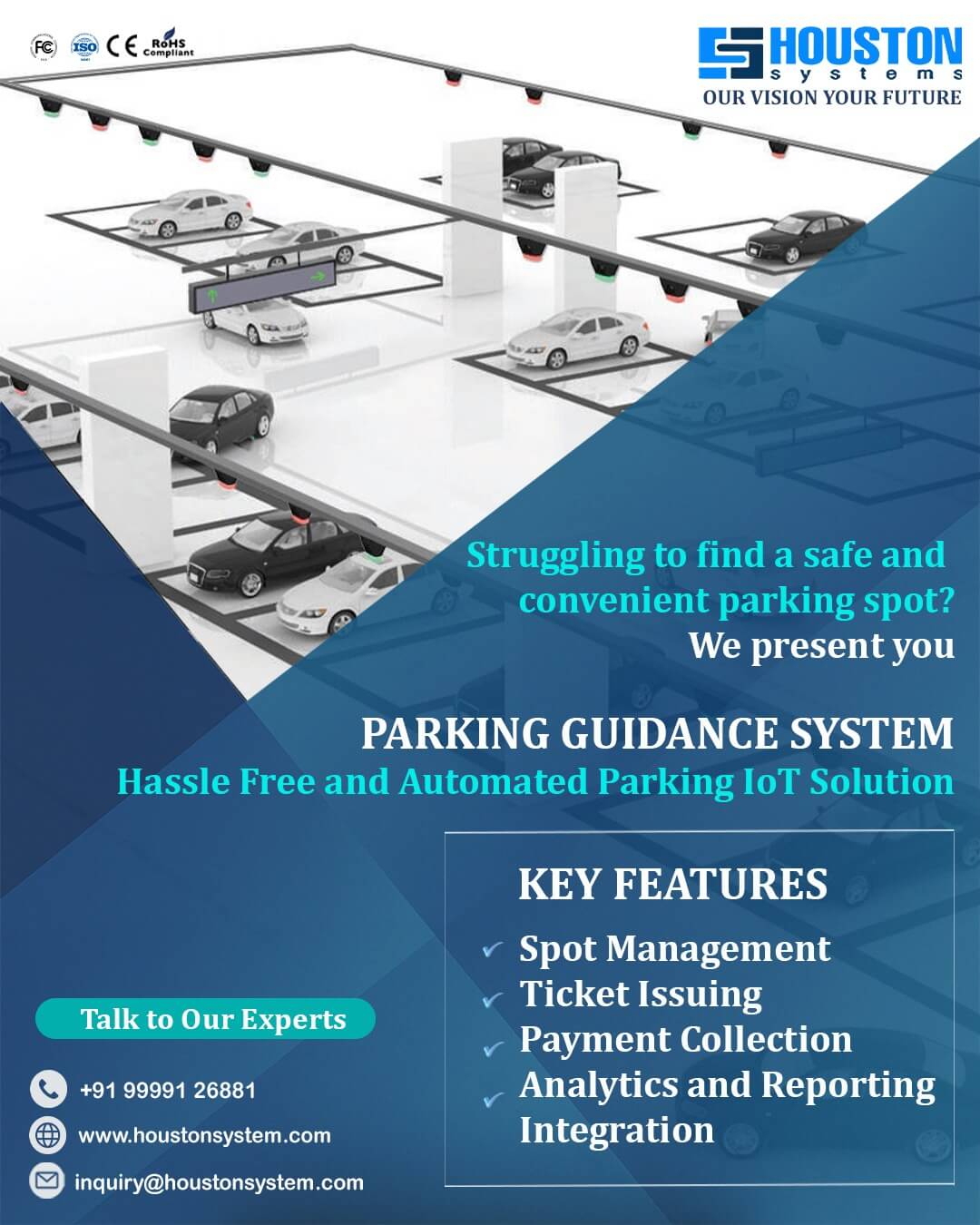
A facility may have available parking spaces, yet drivers can still spend several minutes searching for them. While occupancy levels often receive the most attention, parking search time is frequently the metric that has the greatest impact on visitor experience.
For drivers, the search for parking begins immediately after entering a facility. For organizations, that search time can influence traffic flow, operational efficiency, and overall visitor satisfaction.
Despite its importance, parking search time is often overlooked when evaluating parking performance.
As commercial facilities continue to look for ways to improve efficiency and user experience, understanding and reducing parking search time is becoming an increasingly valuable objective.
What Is Parking Search Time?
Parking search time is the amount of time a driver spends locating an available parking space after entering a parking facility.
This period may include:
Driving through parking areas
Checking multiple parking zones
Waiting behind other vehicles
Revisiting full sections
Navigating unfamiliar layouts
Although the delay may seem minor for an individual driver, the cumulative impact across hundreds or thousands of visitors can be significant.
The Problem Most Facilities Don't Measure
Many organizations track occupancy rates, vehicle counts, and parking availability. However, fewer facilities actively monitor how long drivers spend searching for parking spaces.
As a result, parking performance may appear acceptable on paper while visitors continue experiencing delays.
Long search times often indicate hidden inefficiencies such as:
Uneven parking distribution
Limited visibility into available spaces
Traffic bottlenecks
Ineffective directional guidance
Poor utilization of existing parking resources
Without measuring search time, these issues can remain difficult to identify.
Why First Impressions Often Begin in the Parking Lot
For many visitors, the parking experience is the first interaction they have with a facility.
Before entering a shopping center, office complex, hospital, or entertainment venue, visitors form opinions based on how easily they can access and navigate the property.
A smooth parking experience can contribute to:
Greater convenience
Reduced stress
Positive first impressions
Improved visitor satisfaction
Conversely, long parking search times can create frustration before visitors even reach their destination.
This is one reason why parking efficiency increasingly plays a role in overall facility experience.
The Business Impact of Extended Parking Search Time
Parking search time affects more than individual drivers.
It can also influence facility operations and resource management.
Reduced Visitor Satisfaction
Visitors often expect a convenient arrival experience. Extended search times can negatively affect perceptions of a property.
Increased Vehicle Circulation
The longer drivers search for parking, the more vehicles remain in motion throughout the facility.
Higher Congestion Levels
Additional circulation can increase traffic density and contribute to localized congestion.
Operational Challenges
Facility teams may struggle to distinguish between genuine capacity shortages and inefficient parking distribution.
These impacts highlight why search time should be viewed as an operational performance indicator.
Looking Beyond Occupancy Rates
Occupancy rates provide valuable information, but they do not always reflect the quality of the parking experience.
Two facilities may report identical occupancy levels while delivering very different outcomes for visitors.
For example:
Facility A operates at 85% occupancy and allows drivers to find parking quickly.
Facility B also operates at 85% occupancy but experiences frequent circulation and longer search times.
The difference is not capacity. It is parking efficiency.
Understanding search time provides a broader perspective on how effectively parking resources are being used.
Short Search Times vs Long Search Times
The impact of parking efficiency becomes easier to understand when comparing different parking experiences.
Short Search Time |
Long Search Time |
Faster arrival experience |
Extended vehicle circulation |
Higher visitor satisfaction |
Increased frustration |
Better traffic distribution |
Greater congestion risk |
Improved operational efficiency |
Higher operational pressure |
Reduced parking delays |
Longer vehicle movement times |
Organizations that monitor search time can often identify parking inefficiencies that occupancy data alone may not reveal.
Why Search Time Matters for Commercial Properties
Commercial facilities often experience changing demand throughout the day.
Examples include:
Shopping centers during weekends
Corporate campuses during shift changes
Hospitals during peak appointment periods
Event venues during large gatherings
For example, a shopping center may have adequate parking capacity overall, but poor visibility into available spaces can cause drivers to circulate unnecessarily. In this situation, search time increases even though parking spaces remain available.
This demonstrates why search time is an important performance metric for facility managers.
How Modern Facilities Reduce Parking Search Time
Organizations are increasingly adopting technologies and operational strategies that help drivers locate available parking more efficiently.
Common approaches include:
Improved directional signage
Better parking zone organization
Parking occupancy monitoring
Digital parking displays
Vehicle access management platforms
Many facilities also implement real-time parking guidance solutions to direct drivers toward available spaces and reduce unnecessary circulation.
The goal is not always to increase parking capacity. Often, the objective is to improve how existing parking resources are utilized.
Measuring Parking Efficiency Beyond Availability
Available parking spaces do not automatically guarantee an efficient parking experience.
Modern facilities increasingly evaluate additional performance indicators such as:
Parking search time
Vehicle circulation patterns
Parking turnover
Traffic distribution
Utilization efficiency
These metrics help organizations gain a more complete understanding of parking operations and identify opportunities for improvement.
The Future of Frictionless Parking Experiences
As parking technologies continue to evolve, facilities are placing greater emphasis on reducing unnecessary delays throughout the parking journey.
Future developments may include:
Predictive parking availability
Automated parking guidance
AI-assisted traffic management
Mobile-integrated parking experiences
Connected parking ecosystems
Future parking strategies are expected to focus not only on parking availability but also on minimizing the time required for drivers to reach an available space.
Organizations that prioritize parking efficiency will be better positioned to improve both visitor experience and operational performance.
Conclusion
Parking performance is often measured through occupancy and capacity metrics, but parking search time offers another important perspective on facility efficiency.
Long search times can increase congestion, affect visitor satisfaction, and create operational challenges that are not always visible through occupancy data alone.
By understanding and reducing parking search time, organizations can improve parking operations, optimize existing resources, and create better experiences for visitors.
As facilities continue adopting connected parking management systems, reducing search time will remain an important part of creating efficient and user-focused parking environments.
FAQs
What is parking search time?
Parking search time is the amount of time a driver spends locating an available parking space after entering a parking facility.
Why is parking search time important?
It influences visitor experience, traffic flow, operational efficiency, and overall parking performance.
Can parking search time increase congestion?
Yes. Longer search times often result in additional vehicle circulation, which can contribute to congestion within parking facilities.
Can a facility have available spaces and still experience long parking search times?
Yes. Search time can increase when drivers cannot easily identify available spaces, even if overall parking capacity is sufficient.
How can facilities reduce parking search time?
Facilities can improve signage, organize parking zones more effectively, implement occupancy monitoring, and use parking guidance technologies.
Why should facility managers track parking search time?
Tracking search time helps identify parking inefficiencies, improve visitor experiences, and support more effective operational decision-making.