Pasture-Raised Chicken Benefits: Nutrition, Welfare, and Buying Guide
-

- Published Updated
- 1,766 views
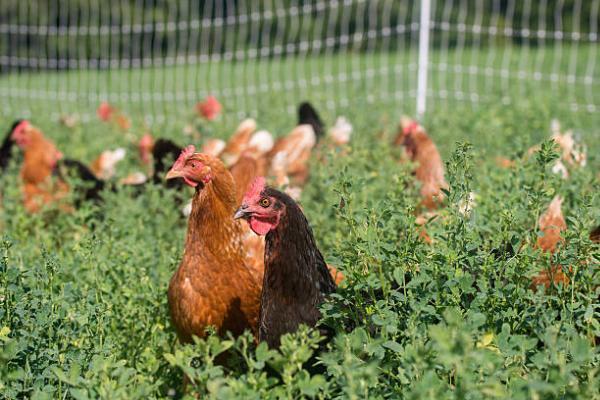
The term pasture-raised chicken has grown in consumer interest as families and food buyers seek protein sources with different nutritional profiles and animal welfare practices. This article outlines what pasture-raised means, summarizes nutritional and environmental considerations, and offers practical advice for selecting and storing pasture-raised poultry.
- Pasture-raised chickens typically have more space and access to forage compared with conventional birds.
- Nutritional differences can include modest increases in omega-3 fatty acids, vitamin E, and certain antioxidants.
- Animal welfare, pasture management, and labeling vary; look for clear farm practices and third-party certification where possible.
Pasture-Raised Chicken: definition and on-farm practices
Pasture-raised chicken refers to birds that spend a significant portion of their lives outdoors on pasture or range where they can forage for insects, seeds, and plants while also receiving a formulated diet. Definitions are not uniform across jurisdictions, so stocking density, outdoor access time, and shelter standards differ between farms and labels. Regulatory agencies such as the U.S. Department of Agriculture (USDA) and food safety authorities publish guidance on poultry handling and labeling, but specific pasture-raised standards are often set by producers or third-party certifiers.
Typical on-farm features
- Lower stocking densities on pasture compared with confined operations.
- Rotational grazing or movable shelters to reduce parasite buildup and improve soil health.
- Access to natural forage, which can alter dietary intake and potentially the bird's nutrient composition.
Nutritional differences and what research shows
Comparisons between pasture-raised and conventional chicken focus on fat composition, vitamins, and trace nutrients rather than large changes in protein content. Several peer-reviewed studies and food composition analyses indicate modest differences:
Fatty acids and vitamins
- Omega-3 fatty acids: Pasture-raised birds that consume green plants and insects often show slightly higher levels of long-chain and short-chain omega-3s, depending on diet and pasture quality.
- Vitamin E and antioxidants: Access to forage can increase levels of vitamin E and certain carotenoids, which function as dietary antioxidants.
- Conjugated linoleic acid (CLA): Some studies report higher CLA in pasture-raised poultry, linked to grass-based diets.
Overall, nutrient differences tend to be moderate rather than dramatic. For precise nutrient values, consult national food composition databases and peer-reviewed literature; the USDA provides standards and nutrient data useful for comparison.
Animal welfare, environmental, and production considerations
Pasture-based systems often score higher on several animal welfare indicators, such as behavioral expression and ability to forage. However, welfare outcomes depend on management practices like predator protection, shelter quality, and pasture rotation. Environmentally, pasture systems can offer benefits for soil health and biodiversity when managed using regenerative practices, but outcomes vary by region and scale.
Common trade-offs
- Predation and disease risk can be higher without proper management, requiring thoughtful farm practices.
- Land use per bird is typically greater than in confined systems, which affects production efficiency and local environmental footprint.
- Antibiotic use tends to be lower on many pasture operations, though rules vary and some producers use antibiotics when medically necessary under veterinary oversight.
Buying, labeling, and safe handling
Labels such as "pasture-raised" may be used differently by producers; third-party certifications can offer additional assurance about practices. When selecting pasture-raised chicken, consider asking retailers or farmers about stocking densities, pasture access, feed composition, and processing practices.
Storage and food safety
- Handle all raw poultry with standard food safety practices: keep refrigerated at or below 40°F (4°C), separate from ready-to-eat foods, and cook to recommended temperatures set by national food safety authorities.
- Frozen pasture-raised chicken can be stored long-term; follow recommended thawing and cooking guidance to maintain quality and safety.
For official guidance on poultry handling and consumer food safety, consult government resources such as the USDA for up-to-date recommendations and data: USDA.
Evaluating claims and making informed choices
Consumers looking for pasture-raised chicken should balance nutritional expectations with ethical, environmental, and budget considerations. Pricing reflects production methods, land use, and labor. Where possible, seek transparent information or third-party verification, and ask producers about pasture management, feeding practices, and animal health protocols.
When pasture-raised may be a priority
- Preference for birds raised with outdoor access and opportunities for natural behaviors.
- Interest in modest changes in fatty acid profiles or antioxidant content linked to forage-based diets.
- Support for farming systems that emphasize soil health and biodiversity when paired with good management.
When alternatives may be appropriate
- Budget constraints or local availability may make conventional poultry a more practical option.
- Third-party certifications (e.g., animal welfare or organic standards) can be considered alongside pasture claims for additional assurance.
Key takeaways
Pasture-raised chicken often provides modest nutritional differences, greater opportunities for natural behaviors, and potential environmental benefits when managed sustainably. Variability in labeling and practices means that verification and producer transparency are important. For nutrient specifics and food safety guidance, refer to national food composition and safety resources maintained by official agencies.
Are pasture-raised chicken products more nutritious than conventional chicken?
Research suggests pasture-raised chicken can have modestly higher levels of omega-3 fatty acids, vitamin E, and some antioxidants compared with conventional birds, though protein content typically remains similar. Nutrient differences depend on diet, pasture quality, and farming practices.
How does "pasture-raised" differ from "free-range" or "organic"?
"Pasture-raised" emphasizes active grazing on pasture; "free-range" indicates some outdoor access but not necessarily sustained pasture grazing; "organic" refers to production under organic standards, which include restrictions on synthetic inputs and certain welfare practices but do not automatically guarantee pasture-based systems. Definitions and enforcement may vary by country.
What should be checked on labels when buying pasture-raised chicken?
Look for clear statements about outdoor access, stocking densities, third-party certification, and information from the producer about pasture management. Asking the seller or checking farm websites for transparency can provide helpful context.
Does pasture management affect environmental impact?
Yes. Well-managed pasture systems that use rotational grazing and soil-restorative practices can support biodiversity and soil health, while poorly managed systems may have limited environmental benefit. Environmental outcomes depend on scale, regional conditions, and management choices.