PCOS Period Tracker: A Practical Guide to Tracking Cycles and Hormonal Imbalance
-

- Published Updated
- 337 views
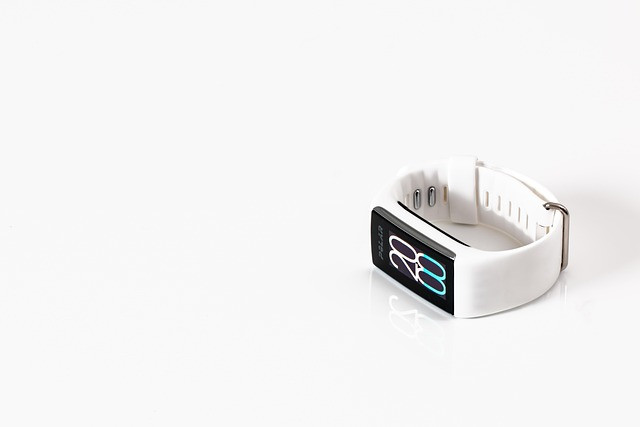
Using a PCOS period tracker helps identify irregular cycles, symptoms, and patterns of hormonal imbalance so that treatment and lifestyle choices can be informed by data. This guide explains what to track, a simple framework for setup, practical tips, trade-offs to consider, and a short real-world example.
PCOS period tracker: what to record and why
Core data points for hormonal imbalance tracking include menstrual bleeding start and end dates, perceived flow, basal body temperature (BBT), ovulation predictor kit (OPK) results, weight and waist measurements, fasting glucose or HbA1c if available, acne or hair changes, mood and energy, sleep, and medications or supplements. Recording these items consistently turns isolated symptoms into actionable trends.
TRACKS framework: a named checklist for consistent tracking
Use the TRACKS framework to simplify setup and reporting. TRACKS stands for:
- Temperature: daily basal body temperature upon waking
- Regularity: start/end dates and flow intensity
- Acne/mood/energy: capture skin, mood swings, libido, fatigue
- Confirmatory tests: OPKs, pregnancy tests, blood labs (when ordered)
- Know medications & supplements: doses and start/stop dates
- Stats: weight, waist, blood sugar readings, blood pressure
Applying TRACKS for at least 3 consecutive cycles produces the clearest signals for clinicians. When lab results are available, align them with cycle phase entries so patterns in hormones and metabolic markers become visible.
How to collect data: methods and tools
Data can be collected with a digital period-tracking app, a spreadsheet, or a paper journal. For hormonal imbalance tracking and ovulation tracking for PCOS, combine subjective entries (mood, flow) with objective measures (BBT, OPKs, weight). If using digital tools, export options (CSV or PDF) are valuable when sharing results with clinicians.
Recommended measurement practices
- Take BBT with a reliable thermometer immediately after waking and before moving.
- Use OPKs at the same time each day when trying to detect luteinizing hormone surges.
- Weigh on the same scale, wearing similar clothing, at the same time of day.
- Log medications and any dose changes the day they occur.
Short real-world example
Example: A 28-year-old tracking with TRACKS recorded cycle start dates, BBT, OPK results, weight, and acne notes. Over five months, cycles ranged from 35 to 80 days and OPKs rarely turned positive. A clinician used the exported CSV to correlate longer cycles with higher fasting glucose and elevated androgen labs, then recommended targeted testing and a plan based on the documented pattern.
Practical tips for accurate hormonal imbalance tracking
- Set a daily reminder for entries to avoid gaps and retrospective guesswork.
- Keep measurement conditions consistent (same thermometer, scale, and time of day).
- Export or back up data monthly to prevent loss and to prepare for clinical visits.
- Log contextual events (illness, travel, new medications) that can temporarily change cycles.
Common mistakes and trade-offs
Common mistakes
- Expecting a single data point to diagnose PCOS—diagnosis should involve clinical assessment and labs.
- Inconsistent tracking: missing BBT or OPK measurements weakens pattern detection.
- Over-interpreting short-term fluctuations: cycles may vary for multiple benign reasons.
Trade-offs
Choosing a tracking method involves trade-offs. Apps automate reminders and charts but may store data on third-party servers. Spreadsheets offer control and portability but require manual setup. Paper logs are private but harder to summarize for clinicians. Prioritize what will be used consistently: the best tracker is the one that gets daily entries.
When to bring tracker data to a clinician
Share 3–6 months of tracked data when cycles are irregular, when symptoms worsen, or when metabolic concerns (weight gain, high fasting glucose) appear. Official guidance and diagnostic criteria for PCOS are available from clinical authorities and can be reviewed alongside tracker output: NHS: Polycystic ovary syndrome (PCOS). A concise export of dates, BBT chart, OPK positives, medications, and key symptom notes provides a clinician with a clear narrative.
Data privacy and safety considerations
When using apps, review privacy policies and export options. If sensitive data is stored, enable device-level protections (passcodes, biometric locks) and prefer apps that allow data export and deletion. For those preferring maximum control, a local spreadsheet or paper log avoids third-party storage.
Practical next steps checklist
- Decide on a method: app, spreadsheet, or paper; commit to it for at least 3 cycles.
- Implement the TRACKS framework and create daily reminders.
- Capture at least BBT, bleeding dates, one metabolic stat (weight or fasting glucose), and symptoms.
- Export or summarize data before clinical visits and note any recent medication changes.