Permanent Skin Whitening in Dubai — Long‑Lasting Treatments, Risks & Cost Guide
-
- Published Updated
- 1,107 views

Detected intent: Commercial Investigation
The search for permanent skin whitening Dubai often brings together clinic listings, before-and-after photos, and claims about lasting results. This guide explains realistic options, safety considerations, and how to compare long-lasting skin lightening treatments available in Dubai — so decisions are based on evidence, clinic credentials, and realistic outcomes rather than marketing.
- Permanent results are rare; many effective approaches reduce pigmentation long-term but require maintenance.
- Options in Dubai include topical prescription regimens, chemical peels, laser/light therapies, and surgical/laser resurfacing for specific conditions.
- Safety, accurate diagnosis (melasma vs post-inflammatory hyperpigmentation), and licensed providers are essential.
Permanent skin whitening Dubai: realistic options and expected outcomes
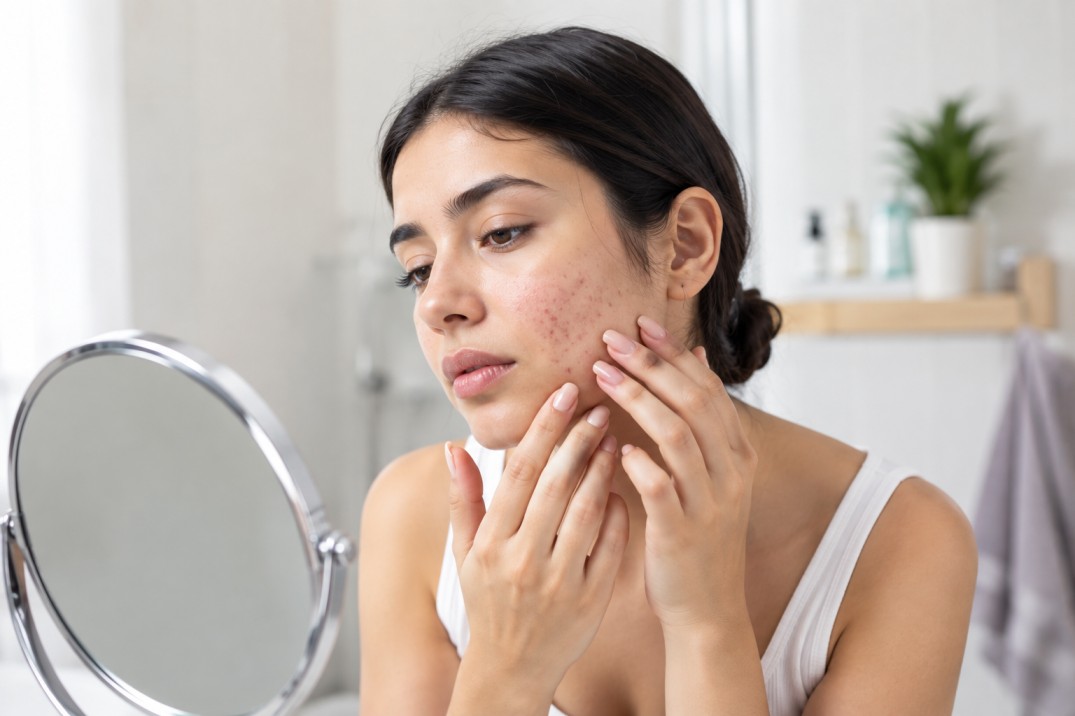
“Permanent” skin whitening is frequently overstated. Most evidence-based approaches aim for durable reduction of excess pigment rather than absolute, irreversible whitening. Conditions like melasma, lentigines, and post-inflammatory hyperpigmentation respond differently to treatments, and relapse is common without proper maintenance and sun protection.
Common clinical options
- Prescription topical therapies — hydroquinone (prescription strength), retinoids, azelaic acid, and tranexamic acid formulations; often combined for greater effect.
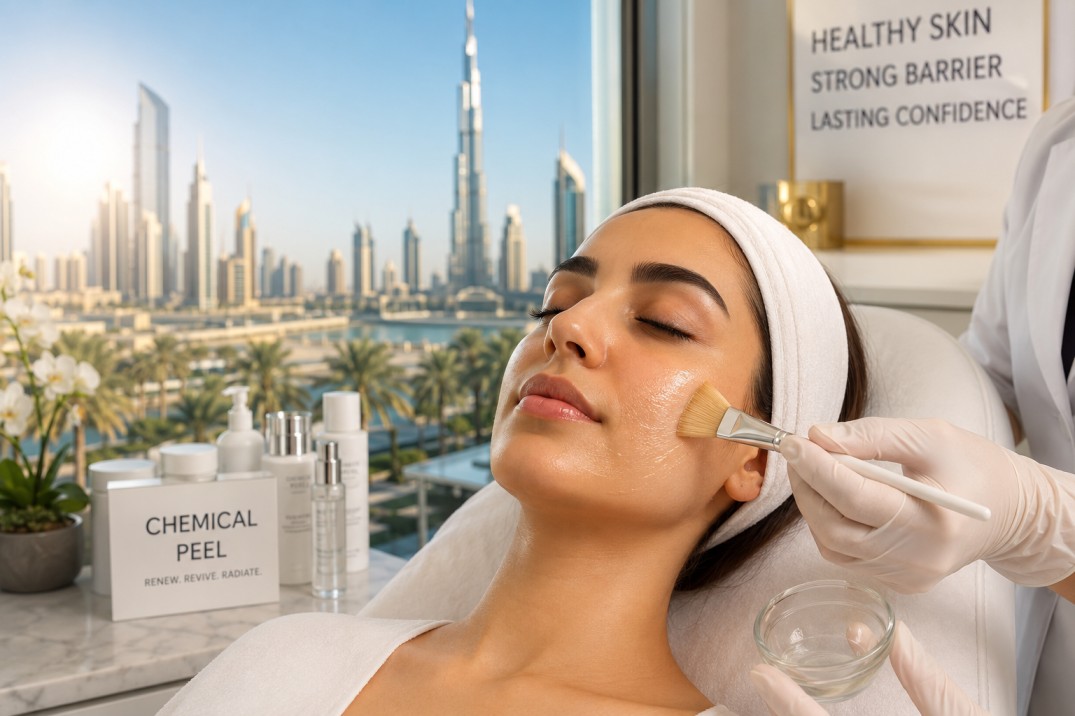
- Chemical peels — glycolic, trichloroacetic acid (TCA) and salicylic peels tailored to skin type and depth of pigment.
- Laser and light therapies — Q-switched Nd:YAG, fractional lasers, intense pulsed light (IPL) used selectively; effective for lentigines and some post-inflammatory pigment.
- Combination protocols — topical preconditioning, in-clinic procedures, and maintenance topicals yield the longest-lasting improvement.
When “permanent” is possible
For localized pigmented lesions (e.g., solar lentigines), ablative or targeted laser treatments can produce long-lasting clearance. For diffuse pigmentary disorders (e.g., melasma), expect long-term management with intermittent procedures and maintenance topicals rather than a single permanent cure.
How to choose a clinic and procedure in Dubai
CLEAR checklist for choosing a whitening procedure
- Consultation: formal diagnosis and photographic records.
- Licensing: confirm practitioner licensure with Dubai Health Authority (DHA) or relevant regulator.
- Evidence: ask for peer-reviewed evidence or clinical protocols for the proposed procedure.
- Aftercare: written aftercare plan including sun protection and maintenance therapy.
- Risks: clear explanation of side effects and recovery time.
Regulation and safety
Dubai’s clinics are regulated by local health authorities; verify DHA or Health Authority Abu Dhabi registration. For safety information about topical agents like hydroquinone and their risks, refer to authoritative guidance such as the U.S. Food and Drug Administration: FDA: Hydroquinone.
Comparing long-lasting skin lightening treatments
Different goals require different approaches. "Long-lasting skin lightening treatments" range from prescription topical regimens to lasers — compare them by mechanism, downtime, number of sessions, and relapse risk.
Trade-offs and common mistakes
Common mistakes include choosing treatment based on price or before-and-after photos alone, skipping diagnostic patch tests, and neglecting strict photoprotection. Trade-offs to weigh:
- Speed versus durability: aggressive lasers work faster but carry higher risk of rebound pigmentation, especially in darker skin tones.
- Cost versus maintenance: cheaper single sessions without follow-up often lead to recurrence and extra cumulative cost.
- Risk tolerance: some procedures require downtime and have higher complication rates; others are gentler but need repeated sessions.
Practical plan and aftercare
Step-by-step actions
- Get a dermatologic assessment to identify the pigment type (melasma, lentigines, PIH).
- Ask for a written treatment plan with expected timelines and maintenance schedule.
- Confirm clinic and practitioner licensure and request before/after results from similar skin types.
- Start topical photoprotection and maintenance regimens before and after in-clinic treatments as advised.
Practical tips
- Use broad-spectrum SPF 50+ daily, reapply every two hours when outdoors.
- Request a patch test for lasers and chemical peels, especially for darker Fitzpatrick skin types.
- Document progress with regular photographs under consistent lighting to judge true improvement.
- Plan maintenance: many protocols require intermittent touch-ups (every 6–12 months).
Real-world example
Example scenario: a 35-year-old patient with melasma seeks lasting improvement. The recommended plan: 3 months of topical tranexamic acid + tretinoin and sunblock, then a series of low-fluence Q-switched Nd:YAG sessions spaced 4–6 weeks apart, followed by ongoing topical maintenance. This combination reduced pigmentation substantially and minimized relapse with strict sun protection.
Costs, timelines, and realistic expectations
Costs in Dubai vary widely by clinic, clinician experience, and chosen modality. Expect multi-step protocols to cost more upfront but often deliver better long-term value. Timelines: topical regimens take 8–12 weeks to show results; peels and lasers produce faster clearing but may need repeats and maintenance.
Core cluster questions
- What causes melasma and how is it diagnosed?
- How do lasers compare to chemical peels for pigmentation?
- Which topical agents are supported by clinical evidence for skin lightening?
- How often is maintenance treatment required after pigment removal?
- What are the risks of skin whitening treatments on darker skin tones?
Frequently asked questions
Is permanent skin whitening Dubai realistically achievable?
Permanent clearance is achievable for some localized lesions, but most diffuse pigmentary conditions require ongoing management. Expect long-term maintenance and strict sun protection for durable results.
What are the safest long-lasting skin lightening treatments?
Safest approaches combine evidence-based topical agents prescribed by a dermatologist, conservative peels, and selectively applied laser treatments performed by experienced clinicians. Safety depends on correct diagnosis and appropriate choice for the patient’s skin type.
How to verify a clinic’s credentials in Dubai?
Check registration with the Dubai Health Authority (DHA) or local regulator, request practitioner qualifications, and ask for documented outcomes and patient references when possible.
How long until results appear from permanent depigmentation procedures?
Timelines vary: topical regimens often take 8–12 weeks, chemical peels show results in weeks, and lasers may produce visible clearing after one session but often require a series for best results.
What are common side effects and how are they managed?
Side effects include redness, irritation, post-inflammatory hyperpigmentation, and, rarely, scarring. Management includes cooling, topical anti-inflammatories, and modifying or stopping the triggering treatment. Always follow a provider’s aftercare instructions.