How to Check If a Used Phone Is Blacklisted Before You Sell It
-

- Published Updated
- 5,082 views
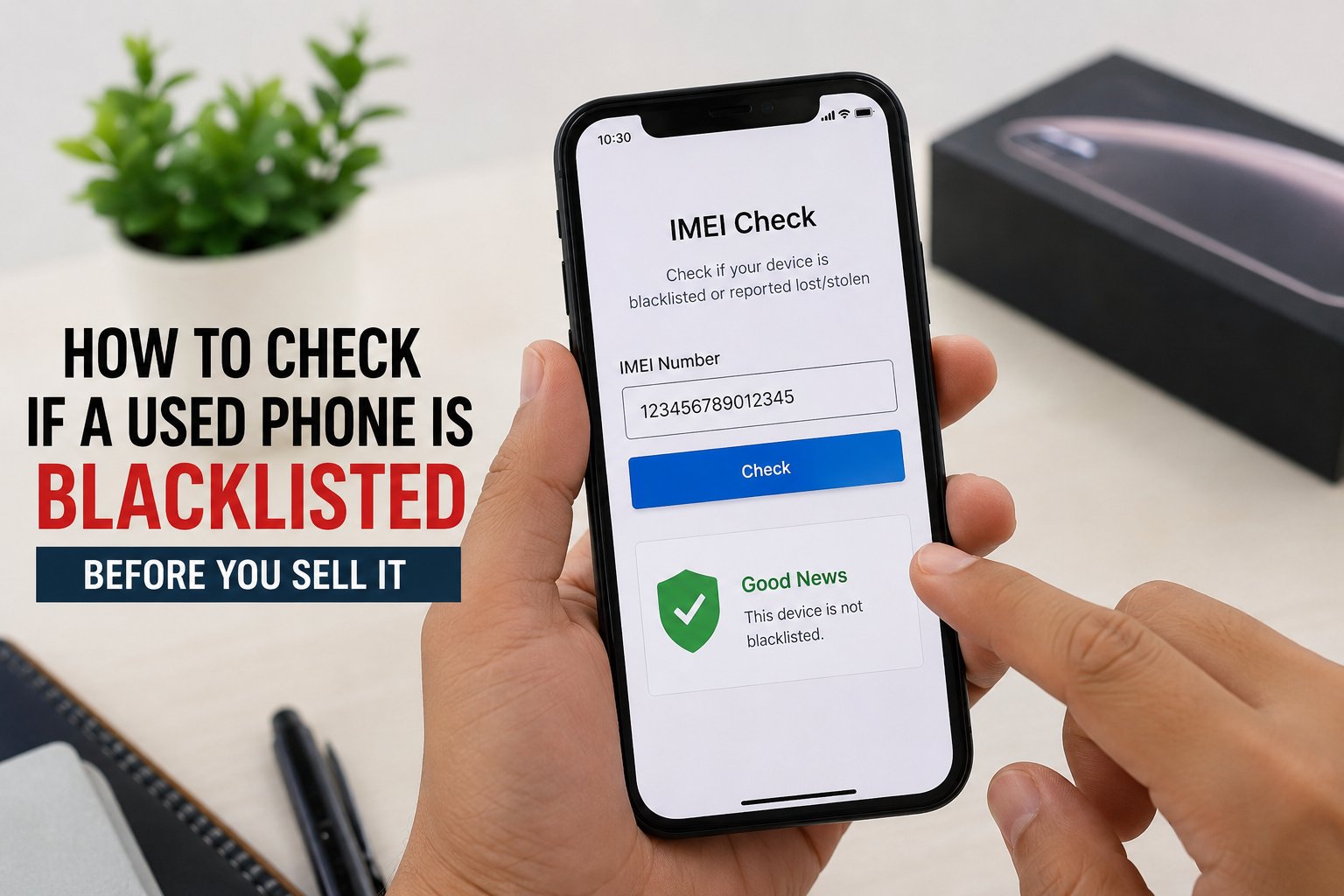
If you're planning to sell your old phone, there's one thing that can quietly ruin the whole deal: a blacklisted IMEI. It doesn't matter how good the phone looks or how well it works; if the IMEI is flagged, most buyers and every legitimate buyback platform will reject it on the spot.
So what exactly does "blacklisted" mean? In simple terms, a phone gets blacklisted when its IMEI number, the unique 15-digit ID every phone has, gets reported as lost, stolen, or involved in fraud. Once that happens, telecom operators block the device from connecting to any network. Even if you're the rightful owner and bought it secondhand without knowing, the phone becomes practically unusable for calls or mobile data.
Here's the tricky part: a blacklisted phone can still power on, run apps, and connect to Wi-Fi just fine. Visually, there's nothing wrong with it. That's exactly why so many people get caught off guard, either buying a phone that turns out to be blocked or trying to sell one they didn't realize had an issue in the first place.
How does a phone actually end up blacklisted?
It's not always because of theft. There are a few common ways this happens:
The original owner reports the phone lost or stolen, sometimes months after they've already sold it informally to someone else. The phone was financed, and the payments were never completed, so the lender flags it. Or, in rarer cases, the IMEI itself was cloned or tampered with, which raises red flags with the network provider.
This is worth knowing because it means blacklisting isn't always a sign the phone was involved in something shady when you got it. Sometimes it's simply an administrative mess from a few owners back that nobody caught in time.
How to actually check
Dial *#06# on the phone to pull up its IMEI number. Once you have it, you can check its status through your telecom provider's IMEI verification portal or through the official Indian government's device verification portal, CEIR (Central Equipment Identity Register). It takes a couple of minutes, and it's completely free.
If you're buying a used phone, always do this before you hand over any money, not after. And if you're selling, it's worth checking your own phone's status too, just so there are no surprises when a buyer runs the same check independently.
What to do if you find out your phone is blacklisted
If the check comes back flagged and you're the rightful owner, don't panic; this is usually fixable. You'll need proof of purchase (invoice, box, or original packaging), and you'll have to raise a complaint with your telecom operator or through CEIR to get the block reversed. It can take a few days to a couple of weeks depending on how quickly the paperwork gets processed. What you shouldn't do is try to sell a blacklisted phone without disclosing the issue; it almost always gets caught, and it damages trust with the buyer.
Why this matters more than people think
A lot of used-phone transactions in India still happen informally, through local shops, classifieds, or word of mouth, and IMEI checks often get skipped entirely in the rush to close a deal. That's how blacklisted phones keep changing hands, with each new owner finding out the hard way, usually after they've already paid.
This is really the gap that formal buyback platforms fill. Services like CashNow run an IMEI verification check as a standard part of the process before they quote a price, so both sides know exactly what they're dealing with: no ambiguity, no last-minute rejection, and no unpleasant surprise a week after the money has changed hands.
A quick checklist before you sell
Before you list your phone anywhere, dial *#06#, note the IMEI, run it through CEIR, and keep a screenshot of the result handy. If a buyer or platform asks for it, you'll already have the answer ready, and it makes the whole transaction move a lot faster.
If you're getting ready to sell your phone, do the IMEI check first. It takes less time than photographing the phone for a listing, and it saves you from a conversation with a buyer that goes nowhere.
It's a small habit, but it's the kind that saves you real trouble later.