Effective Pigmentation Treatment Andheri: Natural Dark Spot & Uneven Skin Tone Solutions
-

- February 27th, 2026
- 295 views
Finding a safe, reliable pigmentation treatment in Andheri starts with understanding what causes dark spots and which natural, clinic, and combined strategies work best. This guide explains realistic options for fading hyperpigmentation, protecting results, and choosing a plan that fits skin type and lifestyle.
Key steps: (1) identify the type of pigmentation, (2) prioritize daily sunscreen and barrier care, (3) layer gentle actives (vitamin C, azelaic acid, retinoid) or professional procedures when needed, and (4) follow the CLEAR Pigmentation Checklist to monitor progress. Includes trade-offs, a short real-world example, and 5 core cluster questions for follow-up reading.
What is pigmentation and how to approach pigmentation treatment in Andheri
Hyperpigmentation includes darkened patches like melasma, post-inflammatory hyperpigmentation (PIH), and sunspots. Treatment depends on the cause: hormonal melasma often needs medical oversight, PIH responds well to topical actives and sun protection, and sunspots can improve significantly with professional resurfacing plus daily SPF. For anyone seeking pigmentation treatment in Andheri, start with diagnosis by a licensed dermatologist or trained skin specialist to rule out underlying causes.
CLEAR Pigmentation Checklist (A named framework for treatment planning)
The CLEAR framework helps structure a safe, measurable approach:
- Consult: Confirm diagnosis with a dermatologist or qualified clinician.
- Layer Protection: Daily broad-spectrum sunscreen (SPF 30-50+) and physical barriers (hats, shade).
- Exfoliate safely: Use gentle chemical exfoliants (low-strength AHAs/BHAs) not aggressive scrubs.
- Actives: Add vitamin C, azelaic acid, niacinamide, or retinoids based on skin type and tolerance.
- Restore and monitor: Support the skin barrier, track changes with photos, and adjust treatment every 8–12 weeks.
Natural vs professional options: trade-offs and when to choose each
Compare common routes for dark spot and uneven tone concerns:
- Home-care (natural dark spot removal Andheri): Sunscreen, topical vitamin C serums, azelaic acid creams, and gentle exfoliation. Lower cost, slower results, minimal downtime. Best for mild PIH and maintenance.
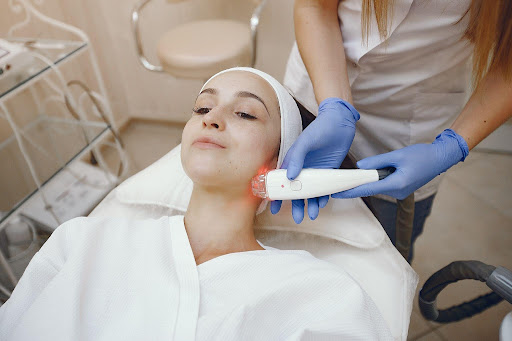
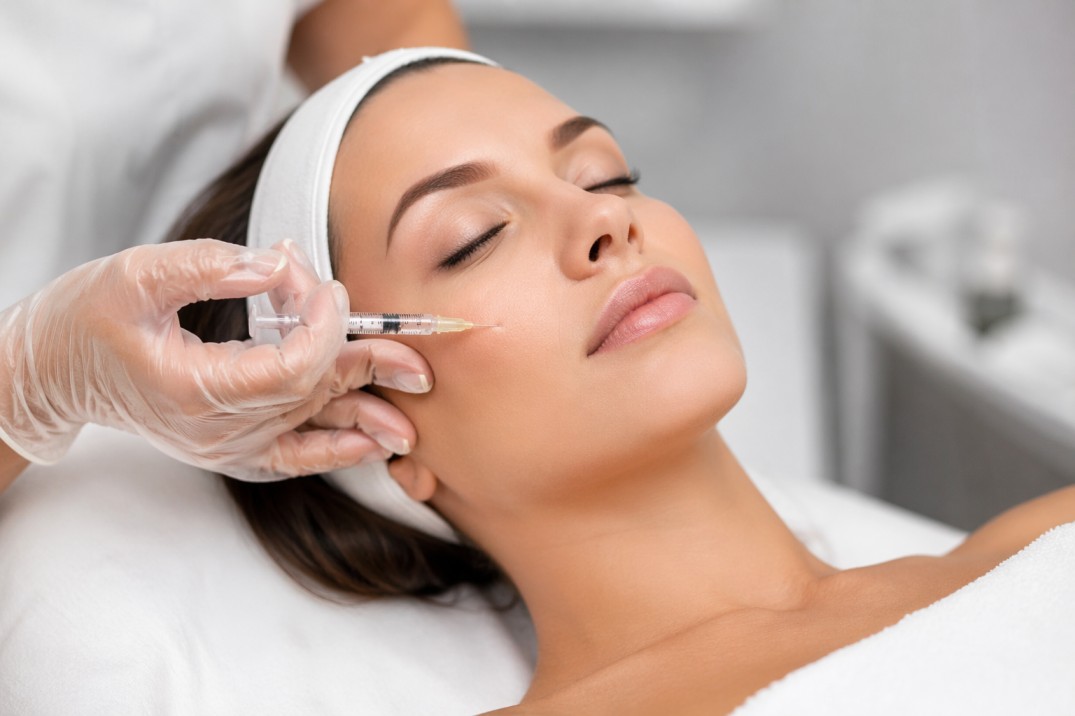
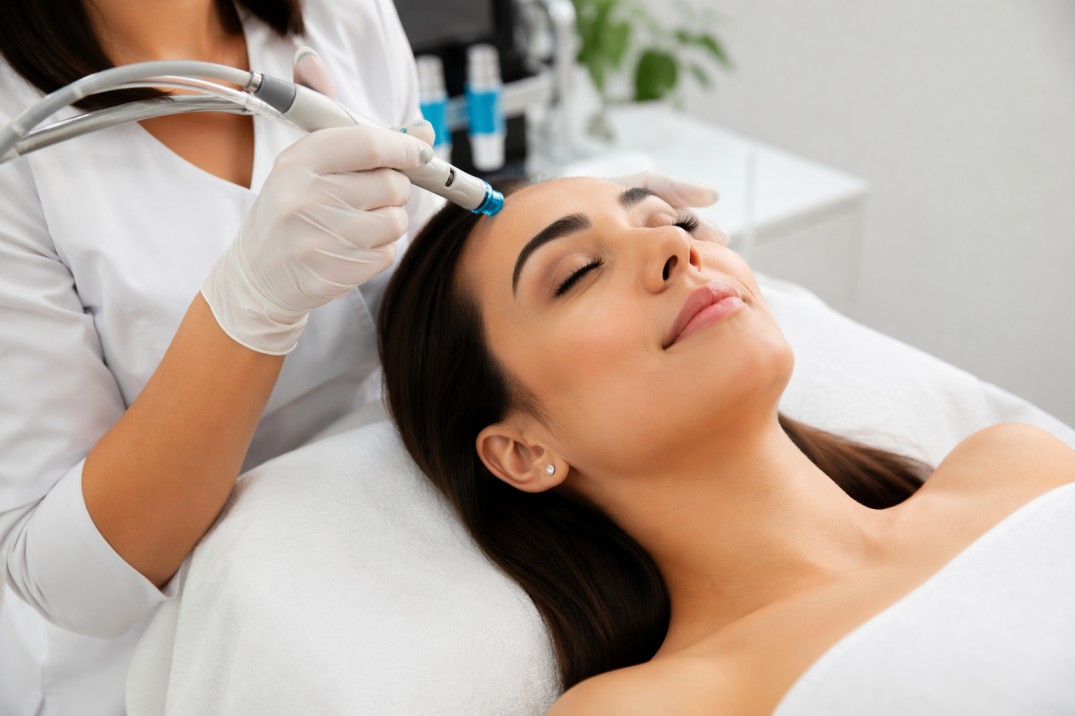
- Clinic procedures (uneven skin tone treatment Andheri): Chemical peels, microdermabrasion, IPL, and fractional lasers. Faster, often more effective for deeper pigmentation, but higher cost, risk of rebound hyperpigmentation if not done properly, and downtime.
- Combined approach: Start with home-based actives and sunscreen, then add in-office treatments when the skin barrier is healthy. This balances efficacy and safety.
Common mistakes and trade-offs
- Overusing harsh topical bleaching agents or high-concentration peels at home — can cause irritation and worsen pigmentation (post-inflammatory hyperpigmentation).
- Skipping sunscreen — any active that lightens pigment will fail or reverse without strict UV protection.
- Expecting overnight results — realistic timelines are 8–16 weeks for topical regimens and several sessions for professional treatments.
Step-by-step plan for safe natural improvement
Use this procedural outline to build a routine that emphasizes safety and measurable progress.
- Active diagnosis: Get a brief skin assessment from a dermatologist to classify pigment type.
- Daily baseline: Apply broad-spectrum sunscreen every morning and reapply during prolonged sun exposure.
- Introduce one active at a time: Start with stable vitamin C in the morning and either azelaic acid or a low-strength retinoid at night.
- Monitor and record: Take standardized photos every 4–8 weeks and note irritation or sensitivity.
- Escalate if needed: If limited improvement after 3 months, consult a clinic about peels or light-based therapies.
Practical tips
- Use a physical or mineral sunscreen if prone to sensitivity; reapply every 2–3 hours when outdoors.
- Introduce chemical exfoliants slowly (once or twice weekly) and avoid combining retinoids with strong peels without supervision.
- Patch-test new actives and stop use if persistent redness or stinging occurs; irritation often worsens pigment.
- Prefer gentler professional treatments for darker skin tones to reduce risk of PIH—ask clinics about experience with diverse skin types.
Short real-world example: a realistic case from Andheri
Scenario: A 32-year-old office worker in Andheri noticed brown patches after pregnancy and regular sun exposure. After a dermatology consultation, the plan combined daily SPF 50, morning vitamin C serum, nightly azelaic acid cream, and monthly mild chemical peels at a clinic for three sessions. Photos were taken monthly. After 12 weeks, the patches were visibly lighter and overall tone improved, with maintenance focused on sunscreen and topical regimen. This demonstrates a combined, monitored approach that balances natural actives with professional care.
When to see a dermatologist or specialist
Seek professional care if pigmentation is sudden, spreading, accompanied by textural change, or does not respond to a consistent 8–12 week topical regimen. For hormonal melasma or darker skin types, medical supervision reduces the risk of rebound pigmentation and ensures appropriate procedural choices.
Reliable guidance on sunscreens and skin protection follows best-practice recommendations from dermatology authorities. For basic sun protection advice, the American Academy of Dermatology provides accessible guidance on choosing and using sunscreens (source).
Core cluster questions (use these for deeper reading or internal links)
- How long does natural dark spot removal take?
- What are the safest in-office treatments for hyperpigmentation?
- Which topical ingredients work best for post-inflammatory hyperpigmentation?
- How to prevent pigmentation from returning after treatment?
- Are home chemical peels safe for darker skin tones?
FAQ: How quickly can pigmentation treatment in Andheri show results?
Timelines vary: topical regimens often show improvement after 8–12 weeks; professional procedures may speed results but usually require multiple sessions spaced weeks apart. Consistent sunscreen use is essential to lock in gains.
FAQ: Which natural ingredients are effective for dark spots?
Topical vitamin C, niacinamide, azelaic acid, and licorice-derived extracts have evidence for reducing pigment when used consistently and at appropriate concentrations. Avoid high-strength DIY bleaching attempts without guidance.
FAQ: Can home remedies remove deep pigmentation?
Home remedies may improve mild superficial PIH but often cannot fully clear deeper melasma or long-standing sunspots. Professional assessment identifies depth and suggests the safest escalation path.
FAQ: How to choose between a clinic peel or laser vs home care?
Consider skin tone, pigment depth, budget, and downtime. Clinics offer quicker, sometimes more pronounced results but carry higher risk if not tailored to the skin type. Start conservative and escalate under professional supervision.
FAQ: Are there special precautions for pigmentation on darker skin?
Darker skin tones have higher risk of post-inflammatory hyperpigmentation after aggressive treatments. Opt for gentler actives, consult clinicians experienced with diverse skin types, and prioritize meticulous sun protection.
Practical next steps: follow the CLEAR Pigmentation Checklist, book a diagnostic consultation if uncertain, and maintain strict sun protection to protect progress. Document results with photos and review treatment adjustments every 8–12 weeks.