Typical Timeline and Phases for Pipeline Construction Projects in Dubai
-

- February 23rd, 2026
- 1,718 views
Estimating how long a pipeline construction project in Dubai takes requires understanding planning, approvals, and on-site work. Timelines vary with project scope, location, and regulatory complexity, but typical projects follow recognizable phases from feasibility to commissioning.
Typical timeline for a pipeline construction project in Dubai
Overview of common phases
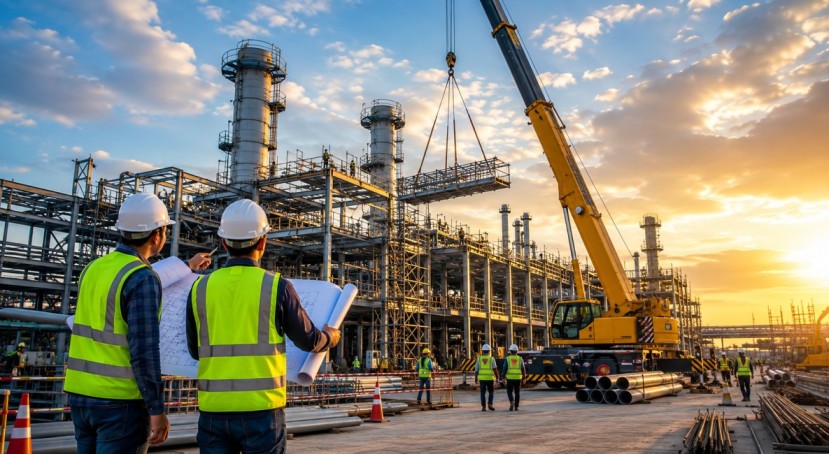
Pipeline projects usually progress through these main stages: feasibility and survey, design and approvals, procurement and contractor mobilization, construction (excavation, pipe laying, backfill), testing and commissioning, and handover. Each stage contains sub-activities that can overlap. Projects pursued under an Engineering, Procurement, and Construction (EPC) model may shorten procurement but require early design clarity.
Key factors that affect duration
Permitting and regulatory approvals
Obtaining permits is often a major source of schedule variability. Municipal permits, road-works approvals from Dubai Roads and Transport Authority (RTA), utility coordination with Dubai Electricity and Water Authority (DEWA), and environmental or civil defence clearances can add weeks or months depending on complexity and whether a no-objection certificate (NOC) is required. Reference to local regulators and standard requirements is essential when planning timelines; for official guidance see Dubai Municipality's permit resources (Dubai Municipality).
Site conditions and geotechnical work
Soil type, groundwater, and existing underground utilities determine trenching methods, dewatering needs, and pipe bedding requirements. Difficult geotechnical conditions increase time for stabilization, more complex excavation, and specialist works such as ground improvement or micro-tunneling.
Right-of-way, traffic and utility relocation
Obtaining and preparing a right-of-way, relocating existing utilities, and implementing traffic management plans can significantly extend schedule. Urban corridors with heavy traffic require night works or staged closures that slow progress but reduce public disruption.
Procurement strategy and contractor experience
Long lead items (valves, special fittings, polymer-coated pipes) can delay start of installation. Prequalified contractors with local experience typically work faster through approvals and site mobilization. Use of modular prefabrication or horizontal directional drilling (HDD) can shorten on-site duration but adds design and fabrication time.
Estimated durations by project type
Small urban replacement (short runs, <1 km)
Typical duration: 3–6 months. Includes local surveys, municipal permits, short excavation works, reinstatement, and testing. Often scheduled to minimize disruption with segmental night or weekend works.
Medium pipelines (1–5 km)
Typical duration: 9–18 months. Includes comprehensive design, utility coordination, procurement of longer pipe lengths and fittings, phased construction, and full commissioning activities.
Large trunk lines and strategic infrastructure
Typical duration: 18 months to multiple years. Large projects involve complex interfaces with multiple authorities, environmental assessments, land acquisition or wayleave agreements, and extensive testing and commissioning protocols.
Construction activities and time allocation
Surveying and site preparation (2–8 weeks)
Topographic and utility surveys, geotechnical borings, traffic management planning, and setting up site offices and storage areas.
Detailed design and approvals (1–6 months)
Final engineering drawings, material specifications, shop drawings, and regulator submissions. Time depends on review cycles and the number of stakeholders involved.
Procurement and mobilization (1–4 months)
Ordering long-lead materials, fabricating special components, and contractor equipment mobilization.
Pipe laying, welding/jointing, and backfill (variable)
Daily progress depends on pipe diameter, trenching method, and site constraints. Typical production can range from 50–500 meters per day in favorable conditions, slower in congested urban settings.
Testing, disinfection, and commissioning (2–8 weeks)
Hydrostatic testing, leakage checks, disinfecting potable lines, instrumentation calibration, and staged commissioning with utility owners.
Managing schedule risk
Common mitigation measures
- Early stakeholder engagement with regulators and utilities to identify NOCs and constraints
- Concurrent design and permitting where permitted
- Use of experienced local contractors familiar with Dubai’s permit processes
- Contingency buffers for weather, traffic restrictions, and supply chain variability
- Clear contract terms for variations, site access and third-party relocations
Documentation and compliance
Maintain up-to-date health, safety and environmental (HSE) plans, testing records, and as-built documentation to smooth handover to asset owners and regulators.
Final considerations
Each pipeline project is unique; the estimates above provide a framework for planning but should be refined with detailed feasibility studies, local regulatory consultations, and contractor input early in the project lifecycle.
Conclusion
Typical durations range broadly: small urban replacements in months, medium pipelines within a year or two, and strategic trunk lines over multiple years. Key drivers are permitting, site conditions, utility coordination, procurement, and chosen construction methods.
How long does a pipeline construction project in Dubai typically take?
Basic urban replacement projects often take 3–6 months, medium pipelines 9–18 months, and large trunk projects 18 months to several years, depending on approvals, geotechnical conditions, and coordination requirements.
What approvals are usually required for pipeline work in Dubai?
Common approvals include municipal permits (Dubai Municipality), road works permits from RTA for works affecting carriageways, utility clearances from DEWA, environmental or civil defence approvals as applicable, and local NOCs for right-of-way. Permit requirements vary by location and pipeline type.
Can construction schedules overlap design and permitting phases?
Yes. Some activities like procurement of long-lead items, preliminary mobilization, and community engagement can run in parallel with final design and permitting to shorten overall project time, but overlapping increases coordination risk.
How do site conditions affect pipeline construction time?
Soil type, groundwater, presence of existing utilities, and accessibility influence trenching method, productivity, and need for special measures such as dewatering or HDD, all of which add time if conditions are adverse.
What is the role of contractor experience in project duration?
An experienced local contractor can accelerate permitting interfaces, anticipate common site problems, and implement efficient construction methods, reducing schedule risk and improving predictability.