How to Knead Pizza Dough for Airy, Chewy Crusts
-
- Published Updated
- 8,804 views
The foundation of good pizza is before the sauce, cheese, and toppings are added. It starts with the dough.
Kneading pizza dough transforms that uneven mixture of flour and water into a ball of smooth, stretchy, elastic dough. When done right, the crust should bake up chewy and airy with life.
When rushed or poorly executed, the dough can tear and be tight to knead, with a heavy texture too, baked into a starchy and dense base.
This is the part that influences customer experience in homes, cafés, bakeries, shopping malls, and online food brands as well. Buyers are looking at craft methods, crust styles, and dough quality more in 2026.
According to Pizza Today's 2026 reporting, styles where crust character is imperative (e.g., New York). Detroit and Chicago (thin, Neapolitan & Roman).
What Is Pizza Dough Kneading?
This is achieved through a process called kneading, which involves folding, pressing, and stretching the dough until it has enough strength to maintain its form.
Dough is shaggy and uneven at first. Water has not entirely absorbed into the flour, and the dough might stick to your fingers.
With practice, the dough behaves more like a smooth one. It is the part that comes together and gives.
This is a change that occurs because kneading strengthens gluten. Gluten is the protein network responsible for giving pizza dough its bounce, strength, and chew.
It captures air and gas when the dough is rising, helping give a light crust.
Well, kneading is slow and methodical. When it comes to our kitchen experience, the best dough is often found in soft touches and short rests—and a sense of when something should stop.
The Value of Kneading for Pizza Dough
Well, kneading pizza dough leads us to the crust: it's handling it and eating it.
Dough that is kneaded properly stretches more with less tearing. Being that it is based on water, unflavored gelatin, and yeast, you can mold it into something like a pizza base without too much resistance.
It also retains gas better during rising and baking. That gas sets up small pockets of air in the crust.
Which is why dough skills are important for commercial kitchens. A mall pizza counter, bakery, or eCommerce food brand cannot leave it up to chance. This operation must be consistent over many batches.
Research on food-service trends these days is also reporting rising interest in artisan pizza, slow fermentation, and high-quality ingredients [along with more attention to dough-making].
That leads us to the question of how long you should knead pizza dough.
The most common question is the time needed to knead pizza dough. The real answer is easy: use the clock as a compass, not an ultimatum.
Five to seven minutes by hand is what you ought to generally aim for, as this amount of time works well with most home-style doughs. For a mixer, 4 to 5 minutes on low/med speed is usually sufficient.
Some bread types depend on the timing of the flour type, water level, room temperature, mix method, and dough style. Stiff dough might require more work.
Even when a wet dough is developing well, it might feel sticky. A dough that has undergone long fermentation may only need some light kneading.
Pizza Dough Kneading: Stop When the Signs are Right! You will find it has more glide to it than when you started. It must be able to stretch but not, at first instance, rupture. It should be a little sticky, not dry and dusty.
For business use, consistency matters. As an example, if one worker kneads for two minutes and another for twelve during the same work shift, day after day, the crust will vary from batch to batch.
How to Knead Pizza Dough by Hand
To learn to knead pizza dough, begin with a simple rhythm. You do not need fancy moves. You need steady hands.
To make dough, combine flour with water, yeast (if used); salt, and oil, amongst many other things. Stir until there are no more dry spots. Rough is fine.
Knead after resting for 15-30 min. This period of rest allows flour to absorb water, and the dough enables this.
Turn the dough out onto a floured or oiled counter. LESS FLOUR THAN YOU THINK. When adding flour to dough, one should be careful, as too much can dry out the final loaf and make it tough.
Using the heel of your hand, push the dough away from you. Fold it back over itself. Turn it a quarter turn. Repeat: push, fold, turn.
If the dough remains on your hands, then oil or water them. Immediately it feels nice and tight, withstanding springing back from the moment this article calls for 5–10 seconds to tackle a make-use-of cover.
Kneading pizza dough by hand is about feel more than strength. Mix until the dough is smooth, elastic, and a little tacky.
How To Know When Pizza Dough Is Kneaded Enough
Pizza Dough Kneading: Pizza dough is kneaded when it becomes strong and stretchy.
Look at the surface first. It should still be lump-free and have a minimum of dry spots. Press it with one finger. It should spring back slowly.
Otherwise, if you rupture or gash your elbow, it may require some work to deal with. It might need a rest if it snaps back harshly.
Ideally, a dough will stretch without ripping the next instant. Take a small amount and pull between your fingers. This means the gluten network is forming well if it stretches into a thin sheet before tearing.
This is known as the windowpane test—when a thin, translucent sheet can be stretched tremendously, it indicates positive gluten strength.
You do not always need a perfect windowpane for long-fermented dough. Time will keep creating form for itself. The latter is mostly useful for quick dough, as kneading has to do more of the work.
Common Pizza Dough Kneading Mistakes
There are also a few simple ways this step can go wrong.
Kneading Too Little: The first mistake is not kneading. The less developed the dough, the more it can tear during shaping and spreading and ultimately bake into a dense shell.
Mistake Two: Kneading too forcefully. Dough that is stretched too fast and hard will tense up, almost making it impossible to shape. You want to keep a steady motion rather than having it be like wrestling.
Our number three mistake is using too much flour. Sticky dough is a pain to work with, but putting extra flour changes the recipe. The crust can become dry, pale, and thick.
Another top issue is not taking the R&R period. Resting helps the dough relax. The dough is also easier to knead because the flour has had time to hydrate.
Overworking can hurt texture, too. A mixer is capable of pushing the dough overboard. The dough might seem taut, warm, and tougher to stretch.
Final Mistake: Trying to stretch the dough out without letting it relax. If this goes on shrinking back, then stop it. Cover it. Give it a few minutes. Good dough handling is patient.
Hand Kneading vs. Mixer Kneading
You can knead the dough by hand or with a mixer. Both can work well.
Hand kneading gives you control. But you can sense that minute by minute, the dough changes. This helps beginners learn texture. Best Used For: Small-batch & artisan recipes, too.
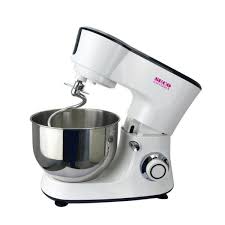
It is faster and easier with a mixer, especially for daily food service. It is labor-saving and helps duplicate the identical process across batches. One risk is overmixing, which means timing and speed still matter.
At homes, restaurants, malls, and e-commerce kitchens, a dependable dough kneader can enable cleaner assignments while controlling the situation, especially between multiple batches, avoiding hand sprains.
Brothos Home states that its machines create an even mix of their flour and ingredients for roti, naan, pizza dough, bread, etc.
Should You Always Knead Pizza Dough?
Pizza dough kneading is a great tool, but not the only means of strengthening my dough.
You may be able to make it work in the right amount of time with a no-knead pizza dough. Flour takes on water over the long fermentation time, and gluten forms naturally. Can give a good flavor and a wide crumb.
Thus, long fermentation continues to pop up in 2026 pizza trend reports, right alongside fresh flour blends and crust innovation.
However, if you do require the dough quicker—as it were—then kneading is helpful. Makes structure in minutes, not hours. That protects service quality in a bustling kitchen.
Additional Pizza Dough Kneading Tidbits
It is more comfortable to knead pizza dough if you stop thinking about perfect timing and start reading the dough.
Use less flour on the bench. Just add enough to keep it from sticking heavily. When working with a much wetter dough, keep our hands lightly oiled or damp.
Give the dough a rest when it pushes back. A delay fixes what muscles cannot.
On commercial jobs, record mix time, rest time, dough feel, and room temperature. Teams get good results again by using these small notes.
The best rule is the simplest: go by feel. The goal is a smooth, elastic, and slightly tacky dough.
FAQs
For hand-kneaded pizza dough, the general recommendation is five to eight minutes of food preparation.
Pizza dough takes 5–7 minutes by hand, but whether or not you get the right texture matters more than timing. Knead the dough until it is smooth, elastic, and a little bit tacky.
Can I overknead pizza dough?
Yes. Dough can feel tight, warm, and difficult to stretch if it is overkneaded. This occurs much more often with mixers than by hand.
Why does my pizza dough tear when stretching?
It is either overkneaded, underkneaded, too dry, or not rested. Rest for 10 minutes, then gently stretch again.
What about kneading for pizza dough? Is it good?
Yes. A dough kneader prepares uniform dough for regular baking, food businesses, and large quantities.
Do you require the windowpane test for pizza dough?
This is especially helpful for quick dough. Stretch a small piece thinly. If it rips in one go, your dough is either too weak or not kneaded sufficiently for the time being but needs a little more rest.