Future-Proof Retail: Point of Sale Systems for Growth and Efficiency
-

- February 23rd, 2026
- 1,729 views

FREE SEO Topical Map Generator: Find Your Next Content Ideas
Point of Sale Systems and the Future of Retail
Point of sale systems are central to modern retail operations, connecting sales, inventory, customer data, and payment processing into a single workflow. As consumer expectations shift toward faster checkout, personalized experiences, and seamless omnichannel shopping, these systems are evolving from basic cash registers into integrated platforms that support analytics, loyalty programs, and mobile commerce.
- Point of sale systems unify transactions, inventory, and customer data across channels.
- Key trends include cloud deployment, mobile POS, contactless payments, and AI-enabled analytics.
- Security and compliance—especially with payment standards—are essential considerations.
- Integration, hardware choice, and staff training affect long-term value and scalability.
Key Capabilities of Point of Sale Systems
Transaction processing and payment options
Modern systems handle EMV chip cards, contactless (NFC) payments, mobile wallets, and traditional card-not-present transactions. Integration with payment gateways and secure processing modules reduces manual effort and helps reconcile sales in real time.
Inventory and order management
Inventory modules track stock levels, automate reorder points, and link in-store and online availability. Features like barcode scanning, supplier management, and backorder tracking reduce stockouts and improve turnover metrics.
Customer data, CRM, and loyalty
Point of sale systems often include customer profiles, purchase histories, and built-in loyalty or rewards programs. These data enable personalized promotions, targeted offers, and improved lifetime value analysis when combined with marketing tools.
Reporting and analytics
Reporting ranges from daily sales summaries to advanced analytics for basket analysis, margin optimization, and workforce scheduling. Cloud-based systems make historical data accessible for business intelligence and forecasting.
Technology Trends Shaping Retail
Cloud and SaaS deployment
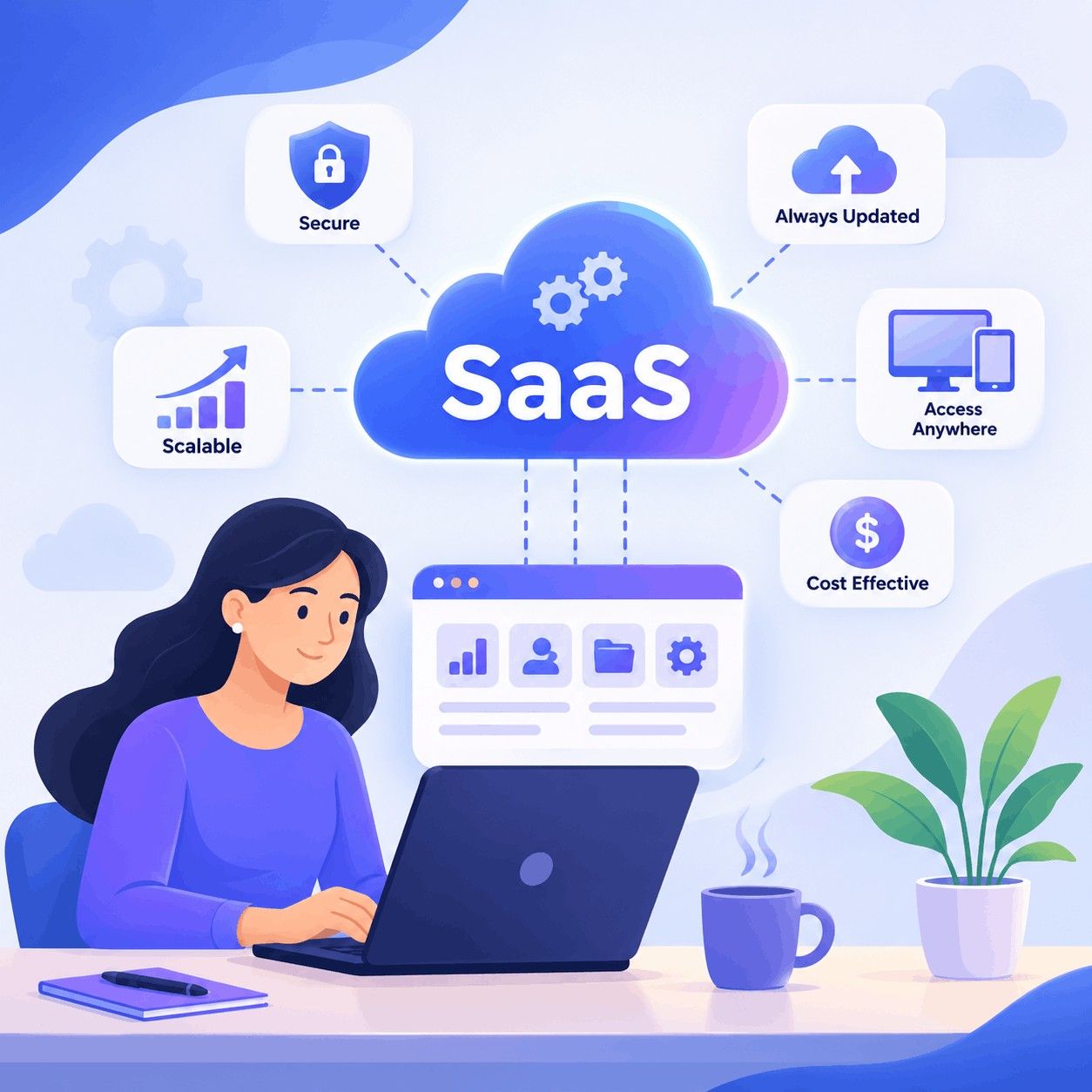
Cloud-hosted POS platforms simplify updates, backups, and multi-location management. They offer faster deployment and easier scaling than on-premises software, though connectivity and data residency need consideration.
Mobile and tablet POS
Mobile POS terminals and tablet-based registers support aisle-side checkout, popup retail, and improved customer engagement. Mobility can shorten queues and enable staff-assisted selling with product lookup and inventory checks on the floor.
Integration and open APIs
APIs allow POS platforms to connect with e-commerce, ERP, accounting, and third-party apps such as CRM or marketing automation. Open integrations reduce duplicate data entry and support omnichannel experiences.
Security and standards
Security remains a priority as payment methods diversify. Compliance with payment data standards and regular vulnerability management are core risk controls. Retailers often reference frameworks and guidance from regulators and standards bodies, including the PCI Security Standards Council for payment security practices. For authoritative details on payment security standards, review the PCI guidance here: PCI Security Standards Council. Other resources such as the National Institute of Standards and Technology (NIST) provide broader cybersecurity best practices.
Choosing and Implementing Point of Sale Systems
Assess business needs
Start with core requirements: transaction volume, number of locations, omnichannel integration, and reporting needs. Consider peak transaction periods and whether offline capability is needed when connectivity is lost.
Hardware considerations
Hardware choices include fixed terminals, tablets, mobile devices, barcode scanners, receipt printers, and cash drawers. Durability, vendor support, and compatibility with peripherals matter for uptime and maintenance costs.
Integration and vendor selection
Evaluate vendors on API availability, ecosystem partners, update cadence, and support SLAs. Consider total cost of ownership, including subscription fees, transaction costs, hardware, and training.
Training and change management
User adoption is critical. Plan staff training, test transactions, and phased rollouts. Documentation and standard operating procedures reduce errors and support consistent customer experiences across channels.
Operational and Strategic Benefits
Efficiency and accuracy
Automating reconciliation, eliminating manual price checks, and reducing entry errors free staff to focus on customer service and merchandising.
Data-driven decisions
Timely sales and inventory insights support decisions about promotions, assortment, staffing, and store layouts. Analytics can reveal slow-moving items or seasonal trends to optimize ordering and markdown strategies.
Improved customer experience
Faster checkout, flexible payment options, and personalized offers contribute to higher satisfaction and repeat business. Omnichannel capabilities—such as buy online, pick up in store (BOPIS)—bridge digital and physical channels.
Scalability and agility
A modular POS architecture allows adding features, locations, or sales channels without wholesale replacement. This agility supports experimentation and growth with lower risk.
Cost and compliance risks
Costs include transaction fees, subscription tiers, and hardware depreciation. Regulatory compliance for payment data, tax rules, and consumer protections requires ongoing governance and vendor oversight.
Future Developments to Watch
AI and machine learning
AI can support demand forecasting, dynamic pricing, and personalized recommendations. Expect more automated insights embedded in POS dashboards to assist operational decisions.
Edge computing and offline intelligence
Edge processing reduces latency for in-store operations and maintains functionality during connectivity interruptions. Some systems will combine edge and cloud capabilities to balance resilience and central analytics.
Expanded payment and identification methods
Biometric authentication, digital IDs, and new digital currencies could be integrated into checkout flows, subject to local regulation and security requirements.
Open commerce ecosystems
Marketplaces of certified apps and hardware are likely to grow, allowing retailers to assemble POS solutions tailored to niche needs without custom development.
Conclusion
Point of sale systems are a strategic platform that influence retail operations, customer experience, and business intelligence. Selecting a solution that aligns with operational needs, security standards, and growth plans helps retailers adapt to changing consumer behavior and technological advances.
What are point of sale systems and how do they work?
Point of sale systems combine hardware and software to process sales, accept payments, manage inventory, and capture customer data. They work by recording transaction data at checkout, transmitting payment information to processors, and updating inventory and sales records in connected systems.
How important is PCI compliance for a retail POS?
PCI compliance is important for protecting cardholder data and reducing the risk of breaches. Retailers should follow guidance from payment standards organizations, maintain secure configurations, and use tokenization or other protections where available.
Can a cloud-based POS work offline?
Many cloud-based POS solutions offer offline modes that queue transactions and synchronize when connectivity is restored. Confirm how each vendor handles reconciliation, security, and failure scenarios before relying on offline capability.
How should retailers evaluate POS vendors?
Evaluate vendors based on core functionality, integration capabilities, security posture, total cost of ownership, customer support, and references from similar retailers. Pilot deployments and phased rollouts help validate fit before full implementation.