Practical Cybersecurity Awareness and Training Solutions for Organizations
-

- Published Updated
- 1,749 views
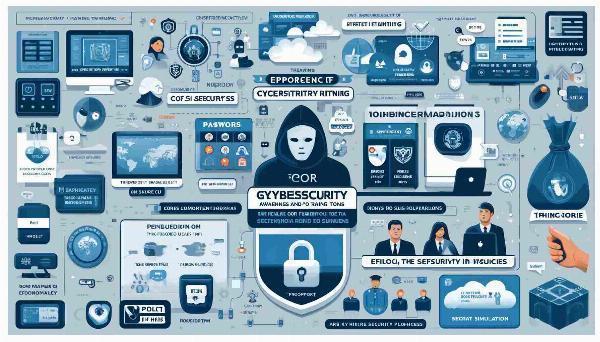
Effective cybersecurity awareness and training solutions help organizations reduce human risk by teaching staff to recognize threats such as phishing, social engineering, and unsafe device use. A structured program combines policy alignment, role-based training, simulated exercises, and measurable reinforcement to change behavior and support a security-minded culture.
- Key components: risk assessment, tailored content, simulated phishing, role-based curricula, and metrics.
- Delivery methods: e-learning modules, microlearning, live workshops, and simulations.
- Measurement: phishing click rates, knowledge assessments, reporting rates, and compliance tracking.
- Resources: align with frameworks (NIST, ISO/IEC 27001) and agency guidance such as CISA.
Cybersecurity awareness and training solutions: essential components
A comprehensive program begins with a risk-based assessment that identifies the most likely threats and the user groups exposed to them. Core components include:
Risk and audience analysis
Identify critical business processes, data sensitivity, and user roles. Prioritize groups such as executives, IT admins, customer support, and remote workers for role-specific content.
Tailored curricula and learning design
Use a mix of baseline training for all staff and advanced modules for high-risk roles. Apply adult learning principles and microlearning formats (short, focused lessons) to increase retention and completion rates.
Simulated exercises and reinforcement
Phishing simulations, tabletop exercises, and hands-on labs reinforce learning. Regularly rotate scenarios to reflect current threats and test incident reporting procedures.
Policy integration and role clarity
Training should reinforce relevant security policies, incident escalation paths, and acceptable use rules. Clear role definitions and responsibilities reduce ambiguity during incidents.
Program delivery methods and technologies
Delivery options range from learning management systems (LMS) and short video modules to instructor-led sessions and simulated phishing platforms. Choosing a mix improves accessibility and engagement.
E-learning and LMS
An LMS centralizes content, tracks completion, and stores assessment results. Look for platforms that support mobile access, SCORM/xAPI standards, and progress reporting.
Microlearning and just-in-time training
Short, targeted lessons delivered at the moment of need—such as a quick refresher when a risky email is clicked—help reinforce behavior without overloading learners.
Simulations and assessments
Simulated phishing campaigns and scenario-based assessments identify gaps in awareness and measure behavioral change over time. Combine automated campaigns with manual review to avoid false positives and respect privacy rules.
Measuring effectiveness and continuous improvement
Metrics guide program adjustments and demonstrate value to leadership. Common measures include:
- Phishing click-through and report rates
- Pre- and post-training knowledge assessment scores
- Incident reporting frequency and quality
- Training completion and certification rates
Use these indicators to refine content, expand role-based modules, and adjust training cadence. Benchmarking against industry averages and internal baselines supports realistic goal setting.
Compliance, frameworks, and authoritative guidance
Align training with recognized standards and guidance to ensure regulatory coverage and best practices. Relevant frameworks and sources include NIST publications (for example, NIST SP 800-series guidance on awareness and training), ISO/IEC 27001 controls for information security, and sector-specific regulations that mandate training and reporting.
For practical resources and national guidance on cybersecurity workforce development and awareness programs, consult the Cybersecurity and Infrastructure Security Agency (CISA) guidance pages and recommended practices. CISA maintains up-to-date advisories and resources for organizations.
Implementation checklist
- Conduct a risk and audience analysis to prioritize topics and groups.
- Define measurable objectives and baseline metrics.
- Select delivery channels (LMS, microlearning, live sessions) and pilot content with a representative user group.
- Run simulated phishing and scenario-based tests, then analyze results to target remediation.
- Integrate training into onboarding, annual refreshers, and role-specific curricula.
- Report outcomes to leadership and update the program based on metrics and threat changes.
Common challenges and mitigation
Low engagement
Mitigate by using concise modules, gamification elements, and executive support. Tie participation to role expectations rather than optional tasks.
Measurement gaps
Ensure the LMS and simulation tools provide reliable data. Standardize assessment instruments and define reporting cadence.
Keeping content current
Establish a content review cadence and subscribe to authoritative threat intelligence feeds. Involve security operations teams to align training with real-world incidents.
Privacy and employee trust
Be transparent about simulation objectives and data handling. Ensure that assessments are used for improvement rather than punitive action, unless policy violations occur.
Budget and resource constraints
Start with targeted pilots focused on high-risk groups, then scale. Leverage free or low-cost resources from official agencies and community organizations where appropriate.
FAQ
What are cybersecurity awareness and training solutions?
Cybersecurity awareness and training solutions are organized programs and tools designed to teach employees how to recognize and respond to security threats. They typically include risk assessments, tailored learning modules, simulated phishing, policy reinforcement, and measurement to track progress.
How often should staff receive training?
At minimum, provide onboarding training and an annual refresher for all staff, with additional periodic microlearning and targeted sessions for high-risk roles or when new threats emerge.
Which topics are most important to include?
Essential topics include phishing recognition, password and authentication best practices, secure remote work, data handling and classification, device security, and incident reporting procedures. Role-specific risks should be added as needed.
How can program effectiveness be demonstrated to leadership?
Provide trend data on phishing click rates and report rates, pre/post assessment scores, completion rates, and incident metrics that show reduced user-related incidents. Tie outcomes to business risk reduction and regulatory requirements.
Is simulation testing ethical and legal?
Simulation testing is widely accepted when conducted transparently and in accordance with organizational policies and applicable laws. Ensure privacy considerations are addressed and that results are used constructively to improve security behaviors.