Practical Feng Shui for Wealth: Simple Home Tips to Increase Prosperity
-

- Published Updated
- 264 views
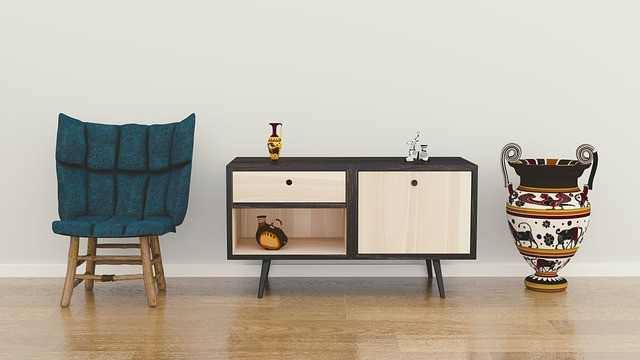
Practical feng shui for wealth focuses on organizing the home to support clear energy flow, protecting the entry, and activating the wealth corner. These steps use simple, repeatable actions—clear clutter, balance the five elements, and place key items in the right sectors—to increase the home's capacity to support prosperity.
- Identify the wealth area with the Bagua map (typically southeast).
- Clear clutter, maintain a welcoming entry, and use the five elements to amplify intent.
- Follow the R.A.C.E. Wealth Feng Shui Checklist to make measurable changes.
feng shui for wealth: core principles
Feng shui organizes space so chi (energy) moves freely and supports daily life. For wealth and prosperity, the most relevant concepts are the Bagua map, the five elements (wood, fire, earth, metal, water), and the commanding position for key furniture. The Bagua map overlays a floor plan to show which areas correspond to career, relationships, health, and wealth. In many schools, the southeast sector is the traditional wealth corner; other schools use different compass-based calculations, so align method with goals.
Bagua map for wealth and layout basics
To use the bagua map for wealth: place the bottom of the map along the wall with your main entry, then locate the southeast or the section labeled 'Wealth & Abundance.' That sector benefits from wood and water elements—think living plants, wooden furniture, and a small water feature or artwork that suggests flowing water. Keep this corner clean and visually appealing; avoid storage boxes and unused items.
Five elements and common symbols
Balance the five elements to support a wealth-focused home prosperity layout: wood (growth) + water (flow) to encourage financial change, small accents of metal (clarity) and earth (stability), and touches of fire (visibility) to activate intention. Use color, materials, and shapes rather than literal or expensive objects; for example, a wooden bowl, blue artwork, and a small metal sculpture achieve the mix without excess cost.
R.A.C.E. Wealth Feng Shui Checklist (named framework)
Use the R.A.C.E. checklist to apply changes in a single weekend. Each letter is an action step with measurable outcomes.
- R - Remove clutter: Clear the wealth area and entry; donate or dispose of unused items.
- A - Activate entry: Clean the front door, add lighting, and ensure a clear path inside.
- C - Care for the wealth corner: Place a healthy plant, a water symbol, and an item that represents earnings.
- E - Enhance with elements: Add small touches (art, color, materials) to balance wood, water, metal, earth, fire.
Practical steps: how to apply feng shui at home
Begin with the entry and visible surfaces. The following steps prioritize low-cost, high-impact changes that preserve personal style and practicality.
Step-by-step actions
- Clear the entry and door area; sweep, repair lighting, and remove obstacles to create a welcoming flow.
- Map the floor plan with a Bagua overlay to find the wealth corner and high-priority zones.
- Declutter and clean the wealth corner; leave space for a living plant or water symbol and one object that represents prosperity (ledger, vase, meaningful artwork).
- Place furniture in commanding positions—so the main seating and desk face the entry without being directly in line with the door.
- Introduce the five elements subtly: a wood shelf, metal frame, an earth-toned rug, a candle, and a small bowl of water or water imagery.
Short real-world example
In a one-bedroom apartment, a renter identified the wealth corner using the Bagua map and moved a living money plant there, replaced a dim light at the entry with brighter LED lighting, and cleared old paperwork from a side table. Within weeks the entry felt calmer and household routines became more efficient—leading to a clearer focus on budgeting and an unexpected freelance client inquiry. These changes illustrate how environmental adjustments can support practical behaviors that influence finances.
Trade-offs and common mistakes
Trade-offs
Some choices favor symbolic activation over function. For example, adding a large water feature can amplify 'flow' but may create humidity or require maintenance. Balance symbolic objects with daily usability: a small framed water photo is lower maintenance than a fountain.
Common mistakes
- Using decoration without decluttering first; symbolism loses effect if overwhelmed by mess.
- Copying trends or expensive 'cures' instead of matching elements to the actual space and lifestyle.
- Neglecting the entry and circulation paths—most effective feng shui starts at the door.
Practical tips
- Start small: clear one surface or the entry for 15 minutes daily until completed.
- Choose living plants known for resilience (e.g., pothos or ZZ plant) to represent growth without high maintenance.
- Use mirrors sparingly: a mirror across from a window can amplify light, but avoid placing mirrors directly facing a bed or main door.
- Replace burned-out bulbs promptly; good lighting supports perceived value and mood.
- Keep financial documents organized in a single, tidy drawer to reduce friction when managing money.
For credentialed guidance, consider resources from the International Feng Shui Guild at ifsguild.org, which describes practitioner standards and schools of practice.
FAQ
How does feng shui for wealth actually work?
Feng shui for wealth works by organizing space to encourage clear energy, reduce stress, and promote behaviors that lead to better financial decisions—clean entryways, reduced clutter, and thoughtful placement of elements to support growth.
Where is the wealth corner in my home?
Most bagua maps identify the southeast sector as the wealth corner. Place the bottom of the map on the wall with your main entrance and locate the wealth area accordingly.
What plants are best for wealth corner feng shui?
Resilient, upright plants with healthy green leaves symbolize growth. Examples include money tree (Pachira), jade plant, ZZ plant, and pothos—choose plants suited to available light.
Can small apartments benefit from feng shui?
Yes. Small apartments benefit especially from decluttering, clear entry activation, and small element balances. Adapt the Bagua to the usable space and prioritize the most accessible wealth zone.
How long before feng shui changes affect prosperity?
Environmental changes support behavior changes; some effects are immediate (reduced stress, clearer routines) while financial outcomes depend on actions taken over time. Track one measurable habit (bill pay, budgeting, networking) for 30–90 days to assess impact.