Practical Strategies for Social Media Lead Generation and Platform Optimization
-

- February 23rd, 2026
- 1,635 views
Social media lead generation is a core growth tactic for many organizations seeking predictable inbound interest from channels such as LinkedIn, Instagram, Facebook, X (Twitter) and TikTok. This guide outlines practical, evergreen approaches to optimize platforms for consistent lead flow while aligning measurement, targeting and compliance best practices.
- Choose platforms that match the target audience and buying stage.
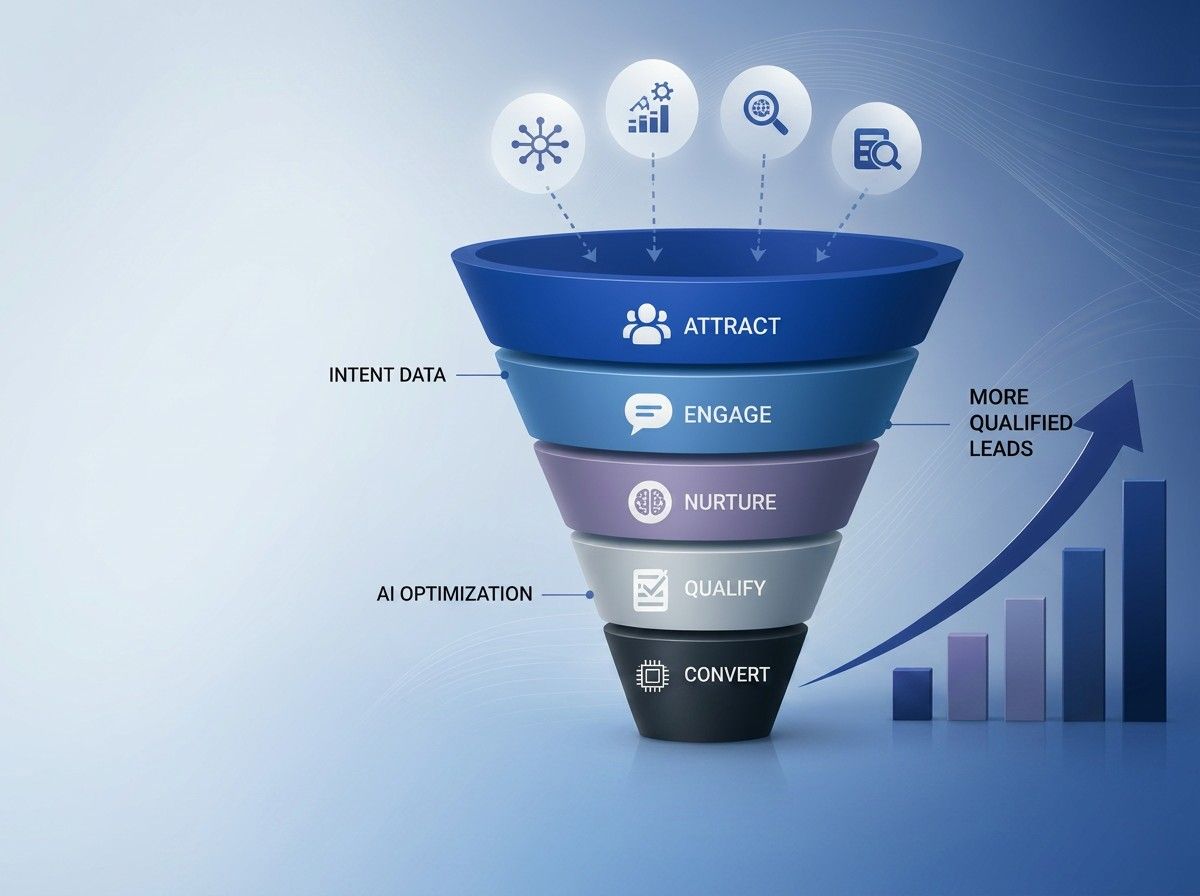
- Create clear conversion paths: CTA → landing page → CRM integration.
- Measure with event tracking and attribution models; optimize with A/B tests.
- Follow advertising and privacy regulations and document consent flows.
social media lead generation: Key principles
A reproducible social media lead generation program rests on three principles: audience fit, value-driven content, and a friction-minimized conversion path. Audience fit determines which platforms and ad formats will deliver efficient results. Value-driven content positions offers so users are willing to exchange contact details. A friction-minimized conversion path reduces dropoff between ad click and lead capture.
Selecting platforms and defining audience segments
Match platform to buyer persona
Not all platforms perform the same for every objective. Professional B2B prospects often convert better on LinkedIn or X when combined with content offers like webinars or whitepapers. Visual-driven discovery and impulse interest may be best on Instagram or TikTok. Evaluate platform demographics, ad format availability, and content norms before allocating budget.
Use layered targeting
Combine demographic, behavioral, and contextual signals to create audience segments. Layer interest categories with job titles, company size, or recent website visitors (retargeting) to increase relevance. Export high-performing segments into a CRM audience sync for lookalike modeling where supported.
Crafting offers, creative, and calls-to-action
Offer clarity over cleverness
Leads convert when the perceived value outweighs the effort to provide contact information. Use straightforward offers: demos, product trials, case studies, or gated research. Include the expected outcome and a time commitment estimate in creative.
Creative best practices
Test clear CTAs, short headlines, and visual cues directing attention toward the action. Use social-native creative—vertical video on stories and reels, short captions for feed posts, and carousel ads for multiple benefits. Track which creative elements correlate with higher conversion rate and lower cost per lead (CPL).
Designing conversion paths and integrating systems
Landing pages and form design
Landing pages should be optimized for mobile speed, clarity, and minimal form fields. Progressive profiling can reduce initial friction: capture an email first, then enrich records later via follow-ups. Ensure forms trigger thank-you pages and UTM-consistent analytics events.
CRM integration and lead routing
Automate lead ingestion into a CRM and apply routing rules by geography, product interest, or lead score. Immediate acknowledgment messages and scheduled nurture sequences improve lead velocity. Maintain a single source of truth for lead status to avoid duplicated outreach.
Measurement, attribution, and optimization
Track events and set goals
Implement event tracking (clicks, form submits, micro-conversions) and connect with an analytics platform for attribution analysis. Use both last-click and multi-touch models to understand channel contribution. Monitor metrics beyond volume: cost per lead, qualified lead rate, and conversion-to-opportunity.
Experimentation and scaling
Run A/B tests on creative, headlines, CTAs, and landing assets. Scale channel spend where signal is positive and maintain a cadence of testing to prevent performance decay. Periodic audience refresh and lookalike rebuilding helps sustain efficiency.
Compliance, privacy, and trust signals
Regulatory and platform policies
Ad campaigns and data collection must comply with advertising and privacy regulations in operating jurisdictions. Follow guidance from regulators such as the Federal Trade Commission (FTC) and data protection frameworks like the EU's GDPR. For information on advertising and marketing obligations, consult official regulatory guidance from the FTC (FTC advertising & marketing).
Consent, data minimization, and transparency
Use clear consent prompts for personal data collection and retain only fields required for the immediate business purpose. Publish privacy and cookie notices linked from landing pages and explain how contact data will be used. Maintain unsubscribe and data deletion processes to meet jurisdictional requirements such as CAN-SPAM and GDPR.
Operational checklist for implementation
- Define target personas and map them to platforms.
- Create a 90-day content and paid campaign calendar.
- Build mobile-first landing pages with analytics events.
- Integrate lead flows with CRM and set routing rules.
- Establish measurement dashboards and testing roadmap.
- Document compliance steps and retention policies.
Common pitfalls and how to avoid them
- Overly broad targeting: leads are cheaper but lower quality—refine segments.
- Poor landing experience: mobile speed and long forms reduce conversion.
- Ignoring attribution: investments without measurement can hide underperformance.
- Non-compliant data capture: regulatory fines and reputational harm are avoidable with basic controls.
Resources and next steps
Prioritize a pilot campaign that pairs one audience segment, one platform, and one clear offer. Use short test windows, collect performance signals, and iterate. Maintain documented playbooks for creative specs, test templates, and compliance checklists to scale responsible, repeatable lead generation.
How can businesses start with social media lead generation?
Begin with a narrow hypothesis: a single persona, one platform where that persona is active, and an offer with measurable value. Launch a small paid test, direct traffic to a fast landing page, capture a primary contact field, and track results in a CRM. Use test outcomes to refine targeting, creative, and the conversion path before scaling.
What metrics matter most for evaluating lead quality?
Beyond cost per lead, measure qualified lead rate, conversion-to-opportunity, time-to-contact, and downstream revenue attribution. These metrics indicate whether leads are actionable and contribute to business outcomes.
Which compliance considerations should be prioritized?
Prioritize transparent consent collection, clear privacy notices, record-keeping of opt-ins, and an easy unsubscribe process. Consult local regulators and legal counsel for jurisdiction-specific requirements and follow best practices documented by authorities such as the FTC and relevant data protection agencies.