Practical Strategies for Overcoming Challenges in the Tile Export Industry
-

- February 23rd, 2026
- 1,141 views
The tile export industry faces a range of logistical, regulatory and commercial challenges that can affect delivery times, costs and buyer satisfaction. This article explains common obstacles—such as freight capacity limits, customs clearance, product standards and payment risk—and offers practical strategies to improve reliability and competitiveness.
- Identify bottlenecks in logistics and choose appropriate Incoterms to allocate responsibilities.
- Align tile specifications with international standards and import-country regulations to reduce rejections.
- Implement robust packaging, inspection, and insurance to protect shipments of ceramics and porcelain.
- Develop diversified shipping and financing plans to manage market shifts and payment risk.
tile export industry: common challenges and practical responses
Exporters of ceramic and porcelain tiles must navigate multiple interdependent areas: production quality, freight and warehousing, customs and duties, and commercial terms with buyers. Addressing these areas systematically reduces delays, lowers returns, and improves buyer confidence.
Logistics and transport constraints
Freight capacity and scheduling
Global shipping cycles, seasonal peaks, and port congestion can create capacity shortages and long lead times. Plan orders with realistic lead times, book freight early for peak seasons, and maintain a freight forwarder relationship that provides visibility into space and transit alternatives.
Packaging, loading and damage prevention
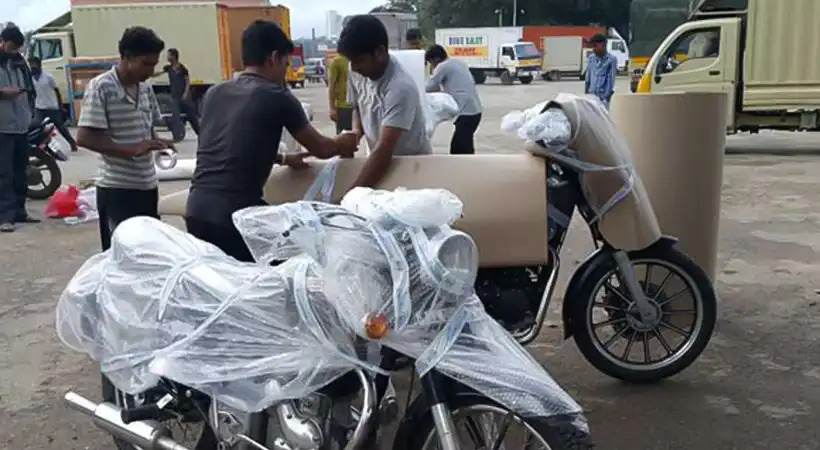
Ceramic and porcelain tiles are heavy and fragile. Use industry-appropriate palletization, edge protection, and void-fill materials. Standardize packing lists and load plans so stevedores and carriers understand weight distribution. Where possible, apply shock indicators and moisture-resistant covers for ocean shipments.
Regulatory compliance and customs
Documentation and tariff classification
Incorrect Harmonized System (HS) codes or incomplete commercial invoices are common causes of customs delays. Maintain accurate product descriptions, declared values, and certificates of origin. Work with customs brokers experienced in tile classifications and the regulations of key destination markets.
Sanitary, chemical and labeling rules
Some markets require product safety declarations, lead content limits, or specific labeling for imported construction goods. Stay informed about regulations in target countries and reference guidance published by regulators and standard-setting bodies. For general trade rules and market access information, consult the World Trade Organization: World Trade Organization.
Quality control and product standards
Material and performance testing
Buyers expect consistent dimensions, color, water absorption, and breaking strength. Implement incoming material checks, in-line process controls, and pre-shipment inspections. Reference recognized testing frameworks such as ISO standards for ceramic tiles when specifying test protocols.
Inspection and dispute reduction
Third-party pre-shipment inspection reduces the incidence of on-arrival rejections. Define acceptance criteria in sales contracts and retain photographic evidence and inspection certificates for each lot to resolve disputes faster.
Commercial and market challenges
Pricing, tariffs and market volatility
Fluctuating raw material and freight costs affect margins. Use clear contract terms for price adjustment mechanisms and consider hedging or indexed pricing where appropriate. Analyze tariff schedules and preferential trade agreements that may affect landed cost in target markets.
Payment terms and financial risk
Payment defaults and slow collections can be mitigated by choosing appropriate payment methods—documentary credits, confirmed letters of credit, or factoring—and conducting due diligence on new buyers. Credit insurance providers and export credit agencies can offer additional protection where available.
Operational resilience and sustainability
Diversifying suppliers and routes
Relying on a single kiln, raw material supplier or shipping lane increases vulnerability. Develop alternative supplier relationships and multimodal routing plans to maintain continuity during disruptions.
Packing, waste reduction and environmental compliance
Sustainable packaging and waste management can reduce costs and meet buyer expectations in certain markets. Track regulation changes on packaging waste and consider materials that balance protection with recyclability.
Risk management and contractual clarity
Use of Incoterms and clear contracts
Specifying Incoterms 2020 in sales contracts clarifies cost and risk allocation for transport, customs, and insurance. Include explicit clauses for inspection rights, acceptance criteria, warranty periods, and remedies for non-conforming goods to reduce disputes.
Insurance and contingency planning
Marine cargo insurance, war and strike extensions, and coverage for inland transit protect against physical loss. Maintain contingency plans for common interruptions—port strikes, equipment failure, or supplier quality issues—to shorten recovery time.
Training and continuous improvement
Invest in staff training on export documentation, quality control, and international regulations. Regularly review handling procedures, customer feedback, and returns data to identify process improvements.
Frequently asked questions
What are the main risks in the tile export industry?
Main risks include freight disruption, customs delays due to documentation or HS classification errors, product non-conformity leading to rejections, payment default by buyers, and fluctuating raw material and transport costs. Mitigation measures include robust documentation, pre-shipment inspections, appropriate insurance, and diversified logistics and supplier options.
How can exporters reduce customs delays?
Use accurate HS codes and complete commercial documentation, obtain certificates of origin when eligible for preferential tariffs, engage experienced customs brokers, and pre-clear shipments when possible. Digital filing systems and trusted trader programs in some markets can further speed clearance.
When should a third-party inspection be used?
Third-party inspections are recommended for high-value consignments, new buyers or markets with strict quality requirements, or when there is a history of disputes. Inspections provide independent verification of quantity, packaging and conformity to agreed specifications.
How do Incoterms affect responsibilities in export contracts?
Incoterms define which party bears costs and risks for transport, insurance and customs clearance. Select terms that reflect the capabilities and risk tolerance of each party; for example, CIF places sea freight and insurance on the seller, while EXW places most responsibilities on the buyer.
What steps improve packaging for ceramic tile exports?
Use sturdy pallets or crates, protective edge supports, non-slip layers between boxes, moisture barriers for ocean transport, and clear load plans. Testing packaging under simulated transit conditions helps validate protection strategies.
Addressing challenges in the tile export industry requires coordinated improvements across manufacturing, logistics, compliance and commercial practices. Systematic risk assessment, clear contracts, and leveraging expert partners—such as freight forwarders and customs brokers—help exporters deliver consistent, compliant shipments and build long-term buyer relationships.