Preparing for a Lip Filler Appointment: What to Know Before You Go
-

- Published Updated
- 1,421 views

Preparing for a lip filler appointment begins with understanding the procedure, choosing a qualified injector, and planning for simple pre-appointment steps to reduce bruising and promote a smooth experience. This guide outlines practical, evidence-based considerations to review before an appointment so informed questions can be asked and realistic expectations set.
- Confirm injector credentials and clinic hygiene.
- Review medical history, medications, and allergies with the provider.
- Avoid blood-thinning substances and large alcohol intake in the days before the appointment.
- Plan downtime for swelling and bruising; arrange transport if sedation is used.
- Know common immediate effects (swelling, tenderness) and when to contact the clinic.
Preparing for a lip filler appointment
Before a lip filler appointment, gather medical information and communicate openly with the injector about goals, previous procedures, and any history of cold sores or allergic reactions. Many lip fillers are based on hyaluronic acid; discussing filler type, expected longevity, and reversal options helps set realistic outcomes. Ask about the injector's training, licensing, and the clinic's infection-control practices.
Choosing a qualified injector
Credentials and experience
Confirm that the practitioner is a licensed medical professional with specific training in cosmetic injectable procedures. Professional organizations such as the American Society of Plastic Surgeons (ASPS) and dermatology societies publish guidance on safe practice; look for practitioners who follow those standards.
Before-and-after photos and consultation
Request a consultation to review before-and-after photos, discuss achievable results, and clarify costs and follow-up care. A clear treatment plan and documented consent form should be provided before the injection.
Medical and medication preparations
Medical history and allergy screening
Provide a complete medical history, including autoimmune conditions, pregnancy or breastfeeding status, prior facial procedures, and any known allergies. Mention history of cold sores (herpes simplex), as some procedures can trigger an outbreak and antiviral medication may be advised.
Medications, supplements, and blood thinners
Discuss all prescription medications, over-the-counter medicines, and supplements. Some items—such as aspirin, nonsteroidal anti-inflammatory drugs (NSAIDs), high-dose fish oil, vitamin E, and certain herbal supplements—can increase bleeding and bruising. A clinician may recommend temporarily stopping specific agents when medically appropriate; do not stop prescribed medications without consulting the prescribing clinician.
Day-of appointment tips
Eating, alcohol, and hydration
Arrive well-rested and hydrated. Avoid excessive alcohol in the 24–48 hours before the appointment, because alcohol can increase bruising and swelling. Eating a light meal beforehand can help if a topical anesthetic is used on-site.
What to bring
Bring a list of medications, a photo of the desired aesthetic if helpful, and any paperwork completed during the consultation. Plan for post-treatment care items (ice packs, gentle cleanser) and arrange transport if sedation or strong anxiolytics will be used.
What to expect during and after the procedure
The injection session
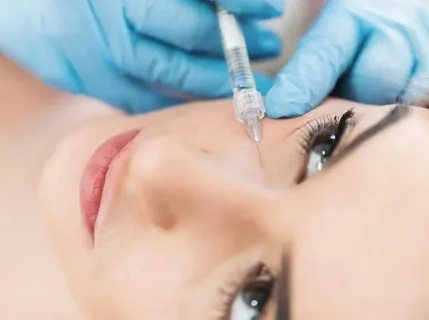
Clinics typically cleanse the area, may apply topical anesthetic, and then perform targeted injections. Session length varies but is often under an hour. Communication during the procedure about comfort and symmetry is important.
Immediate recovery and common effects
Swelling, redness, tenderness, and minor bruising are common and usually peak within 24–48 hours. Results may settle over one to two weeks. If hyaluronic acid fillers are used, they are sometimes reversible with an enzyme called hyaluronidase in the hands of a qualified provider.
Safety, regulations, and when to seek help
Regulatory and safety considerations
Fillers are regulated differently by country. In the United States, the Food and Drug Administration (FDA) provides information about approved dermal fillers and safety considerations. It is appropriate to review official guidance and ask the clinic about the specific product being used and its approval status.
FDA guidance on dermal fillers
Warning signs after treatment
Contact the treating clinic promptly for signs of severe pain, increasing redness or warmth, spreading discoloration, fever, or any sudden visual changes. These may indicate complications that require immediate assessment.
Costs, appointments, and realistic expectations
Budgeting and follow-up
Costs vary by region, injector experience, and product used. Ask about the total cost, any required follow-up visits, and the clinic's policy for touch-ups. Understand that multiple sessions may be needed to reach a desired look, and effects are not permanent.
Setting realistic goals
Discuss symmetry, proportion, and natural-looking results to align expectations. A qualified clinician will explain limitations and alternatives, such as topical or surgical options, where appropriate.
FAQ
How should someone prepare for a lip filler appointment?
Gather medical history, avoid blood-thinning substances where medically appropriate, confirm injector qualifications, and plan for brief downtime due to swelling and bruising. Discuss specific steps with the treating clinician during the consultation.
Will the injections be painful?
Discomfort varies. Many clinics use topical anesthetic and may choose fillers that include local anesthetic. Communicate pain levels during the procedure so adjustments can be made.
How long does swelling last?
Swelling commonly peaks in the first 48 hours and improves over one to two weeks. Bruising may take longer to resolve. Follow post-procedure care recommendations from the clinic.
How to choose a qualified injector?
Prefer licensed medical professionals with documented training in injectables, a clean clinic environment, transparent pricing, and clear consent processes. Verify credentials and review before-and-after photos and patient reviews.
When should the clinic be contacted after treatment?
Contact the treating clinic immediately for signs of severe pain, unusual swelling, fever, skin breakdown, or changes in vision. Routine concerns such as mild bruising or tenderness are typically addressed during scheduled follow-up.