How to Prepare for Total Knee Replacement Surgery: Timeline, Checklist, and Recovery Tips
-

- Published Updated
- 1,606 views
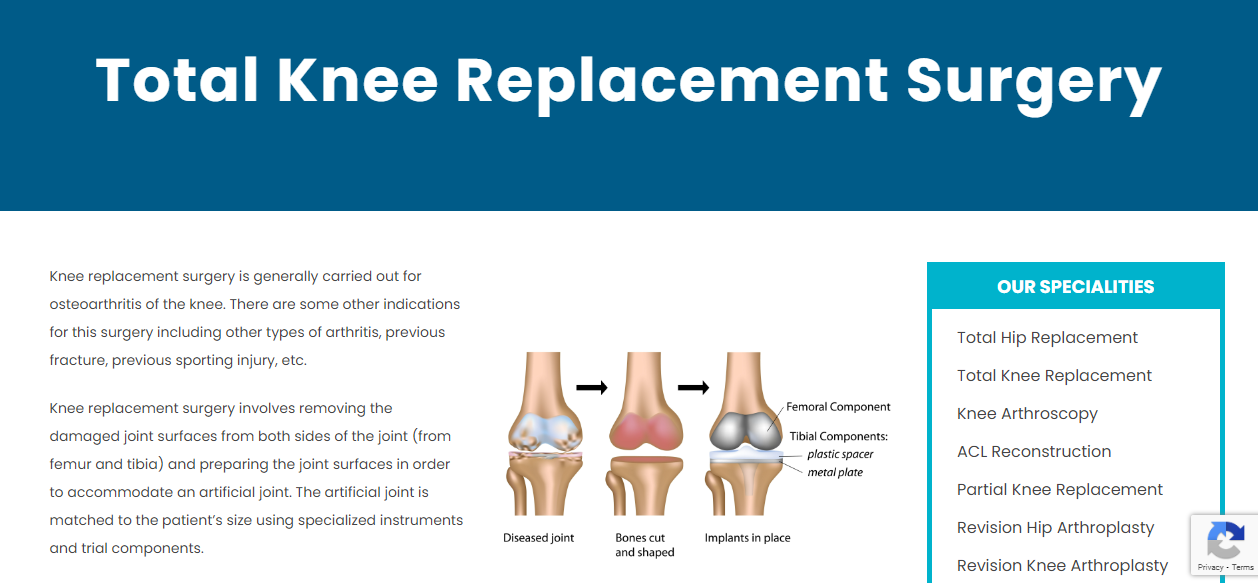
Total knee replacement surgery is a common treatment for advanced knee arthritis and other joint conditions. Preparing carefully can reduce complications, support recovery, and help set realistic expectations for pain control, mobility, and length of stay.
- Preoperative evaluation and medication review cut risks.
- Physical conditioning and home setup speed recovery.
- Expect a coordinated plan covering anesthesia, pain control, and rehabilitation.
Preparing for Total Knee Replacement Surgery
Start planning several weeks before the scheduled operation. Basic preparation includes medical optimization, scheduling support at home, arranging transportation, and learning about the hospital’s protocols for admission and discharge. Discuss any chronic conditions—such as diabetes, heart disease, or sleep apnea—with the surgical team so they can adjust perioperative care.
Medical and preoperative checks
Preoperative assessment
An appointment with a preoperative clinic or surgeon typically involves a review of medical history, a focused physical exam, and blood tests. Imaging such as recent X-rays confirms joint status. Some people require cardiac or pulmonary clearance from specialists. Many hospitals follow standardized pathways to reduce infection and clot risk.
Medications and blood thinners
Provide a complete list of medications and supplements to the surgical team. Certain drugs—anticoagulants, some anti-inflammatory agents, and herbal supplements—may need to be paused before surgery. A clinician will advise on timing to balance bleeding and clotting risks. Do not stop prescribed medications without clinician guidance.
Infection prevention and vaccinations
Oral health and skin infections can increase surgical infection risk. Dental procedures are often advised to be completed well before joint replacement. Current guidelines from surgical and infectious disease authorities recommend addressing active infections and optimizing skin condition prior to elective joint surgery.
Physical preparation and prehabilitation
Strength and mobility
Preoperative physical therapy (often called prehabilitation) focuses on strengthening the quadriceps, improving knee range of motion, and practicing transfers and walking with mobility aids. Stronger muscles and better motion at the time of surgery are associated with faster rehabilitation.
Lifestyle adjustments
Smoking cessation and weight management reduce complications and improve outcomes. Even modest weight loss can lower stress on the new joint. Discuss tailored strategies with a primary care clinician or physiotherapist.
Home and caregiver planning
Home modifications
Plan simple changes to make recovery safer: remove loose rugs, arrange clear walking paths, and place frequently used items within easy reach. Install or plan access to raised toilet seats, shower chairs, or grab bars if needed. A temporary setup that minimizes stairs in the first weeks is helpful for many patients.
Support and transportation
Arrange for someone to drive home after discharge and to assist with daily tasks for the initial days. Confirm caregiver availability for medication reminders, wound checks, and transportation to early follow-up visits or therapy sessions.
The day of surgery and hospital stay
Anesthesia and pain control
Anesthesia options include regional techniques (spinal or nerve blocks) and general anesthesia. Regional blocks can provide effective immediate postoperative pain relief and reduce opioid needs. Discuss anesthesia risks and benefits with the anesthesiology team.
Early mobilization and length of stay
Many care pathways emphasize early mobilization—sometimes on the day of surgery—to lower complication risk and encourage functional recovery. Length of stay varies by health system and individual recovery, commonly ranging from the same day to several days. Discharge criteria usually focus on pain control, wound stability, and ability to perform basic mobility tasks safely.
Recovery, rehabilitation, and follow-up
Physical therapy and milestones
Postoperative rehabilitation includes progressive exercises to restore range of motion and strength and to retrain walking. Typical milestones include walking with a cane or crutch for short distances within days, improving to independent ambulation over weeks, and resuming low-impact activities over months. Recovery timelines vary based on baseline health and adherence to rehabilitation.
Wound care, complications, and when to call
Follow instructions for wound care and activity limits. Signs that warrant prompt medical attention include high fever, increasing redness or drainage from the incision, new chest pain or shortness of breath, and calf swelling suggestive of blood clots. Routine follow-up appointments monitor healing, function, and implant position.
For evidence-based patient information and national guidance on knee replacement care pathways, refer to official resources such as the UK National Health Service: NHS knee replacement guidance. Professional societies such as the American Academy of Orthopaedic Surgeons also publish patient-facing resources and clinical guidelines.
Insurance, logistics, and practical tips
Preauthorization and paperwork
Confirm insurance coverage, preauthorization, and expected out-of-pocket costs before scheduling. Keep contact numbers for the surgical clinic, anesthesia team, and hospital accessible. Prepare a small bag with essentials for the hospital stay and post-discharge medications list.
Mental preparation and expectations
Realistic expectations improve satisfaction. Recovery often includes periods of discomfort and gradual progress. Discuss anticipated outcomes, possible complications, and the typical rehabilitation course during preoperative visits so goals and timelines are clear.
Resources and further reading
Seek information from accredited health institutions, peer-reviewed studies, and clinical guidelines. Health professionals involved in care—surgeons, anesthesiologists, primary care clinicians, and physiotherapists—can clarify individualized risks and recommendations.
Frequently asked questions
How should I prepare for total knee replacement surgery?
Preparation includes a preoperative medical review, optimization of chronic conditions, medication management, physical conditioning, home readiness, and arranging post-discharge support. Follow specific instructions from the surgical team.
What are common anesthesia options for knee replacement?
Anesthesia can be regional (spinal or peripheral nerve blocks), general, or a combination. The choice depends on medical history, surgeon and anesthesiologist recommendation, and patient preference.
How long is the recovery after total knee replacement?
Initial recovery milestones occur over days to weeks; full functional recovery often takes several months. Individual timelines vary with health status, preoperative conditioning, and adherence to rehabilitation.
When can normal activities resume after surgery?
Light activities and many daily tasks can resume within weeks, while higher-impact activities may need to be avoided for months. Return-to-work timing depends on job demands and recovery progress; consult the surgical team for personalized guidance.
What are signs of complications after knee replacement?
Seek immediate care for fever, worsening incision redness or drainage, increasing pain not controlled by prescribed medications, sudden leg swelling, or breathing difficulties. Report concerns to the surgical team promptly.