Preparing the Oil and Gas Workforce for the Future: Skills, Training, and Career Pathways
-

- Published Updated
- 1,552 views
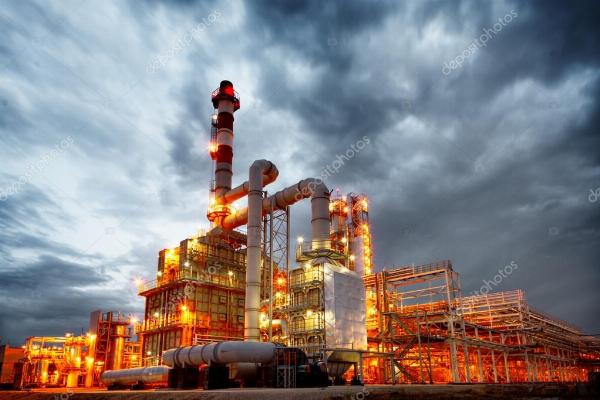
The oil and gas workforce faces rapid change driven by digital transformation, emissions reduction targets, and evolving safety standards. Employers, educators, regulators, and workers are adapting to new technical and nontechnical demands, making workforce planning and targeted training central to long-term resilience.
- Key technical skills include data analytics, automation, and knowledge of low-carbon technologies.
- Core safety, regulatory, and HSSE competencies remain essential as roles evolve.
- Training pathways combine vocational programs, industry certifications, apprenticeship models, and continuing education.
- Cross-industry collaboration, government programs, and standardized competencies help manage transition risks.
Skills Needed in the Oil and Gas Workforce
Technical, safety, and interpersonal skills are converging in the modern oil and gas workforce. Technical priorities include digital literacy, data analytics, sensor and instrumentation knowledge, robotics and automation operation, and familiarity with electrification and low-carbon technologies. Foundational engineering and fieldcraft skills—such as drilling operations, reservoir management, pipeline maintenance, and process control—remain core for many roles.
Digital and analytical skills
Competence with data management platforms, predictive analytics, machine learning applications, and remote-monitoring tools supports more efficient operations and predictive maintenance. Understanding cloud computing, cybersecurity basics, and systems integration is increasingly valuable for engineers, operators, and technicians.
Safety, HSSE, and regulatory competence
Health, safety, security, and environment (HSSE) knowledge continues to be a top priority. Familiarity with national and regional regulators, safety management systems, incident investigation methods, and environmental compliance is essential. Regulatory frameworks and agency guidance, including occupational safety authorities, influence training requirements and certification standards.
Soft skills and adaptability
Communication, teamwork, problem-solving, and change management are critical as multidisciplinary teams integrate new technologies. Language skills and cultural competence also support increasingly globalized operations and contractor management.
Changing Job Roles and Technology Integration
Remote operations and automation
Remote operations centers, unmanned facilities, and automated drilling systems shift some activities from field sites to control centers. Roles that historically required physical presence may evolve into oversight, data interpretation, and system management jobs.
Decarbonization and energy transition skills
As the energy transition progresses, skills related to carbon capture and storage (CCS), hydrogen production and handling, methane emission measurement and mitigation, and integration with renewable energy systems will become more common across teams.
Training and Education Pathways
Academic programs and industry certifications
Universities and technical colleges offer undergraduate and vocational programs in petroleum engineering, process technology, instrumentation, and energy systems. Industry certifications and competency standards—often developed in partnership with professional societies and regulators—help align training with operational needs.
Apprenticeships and on-the-job training
Apprenticeship models and structured on-the-job training provide practical skills and career pathways. These approaches typically combine classroom learning, simulator training, and field rotations to build both technical and safety competencies.
Micro-credentials and continuing education
Short courses, online learning, and micro-credentials enable targeted upskilling in areas such as data analysis, SCADA systems, or emissions monitoring. Employers often support continuous learning to retain staff and meet changing technical requirements.
Labor market data and occupation guides, such as those published by national statistical agencies, can inform curriculum design and career counseling. For example, the U.S. Bureau of Labor Statistics provides occupation-level information useful for planning and forecasting (U.S. Bureau of Labor Statistics).
Regulation, Safety, and Workforce Wellbeing
Regulatory compliance and inspection skills
Skills in regulatory interpretation, permitting, and inspection support safe and compliant operations. Familiarity with local and international standards, reporting requirements, and audit procedures is often required for supervisory and compliance roles.
Mental health, fatigue management, and diversity
Programs addressing mental health, shift-work fatigue, and inclusion help maintain performance and retention. Workforce wellbeing initiatives are part of broader risk management strategies and are frequently included in company HSSE plans and national guidance documents.
Implementing Reskilling and Upskilling at Scale
Employer-led programs and public-private partnerships
Scaled reskilling often involves collaboration between industry, educational institutions, and government. Public funding, apprenticeship incentives, and sectoral training consortia can accelerate transitions and create recognized career ladders.
Measuring outcomes
Metrics such as certification completion rates, transition-to-new-role percentages, safety performance, and productivity measures help evaluate training effectiveness. Workforce planning tools that incorporate demographic and technology adoption scenarios support long-term strategy.
Cross-sector mobility
Skills gained in oil and gas—such as process control, instrumentation, and project management—are often transferable to adjacent sectors like renewables, utilities, and petrochemicals, supporting labor mobility.
Frequently asked questions
What skills will the oil and gas workforce need in the next decade?
Core skills will combine digital capabilities (data analytics, automation, cybersecurity), technical field competencies (drilling, pipeline integrity, process control), HSSE competence, and soft skills such as problem-solving and teamwork. Knowledge related to decarbonization technologies and emissions measurement will become more prevalent.
How can workers gain new technical skills without leaving their jobs?
Options include employer-sponsored training, on-the-job apprenticeships, short courses and micro-credentials, online learning modules, and mentoring programs. Simulator-based training and blended learning approaches enable practical skill development while maintaining operational coverage.
What role do regulators and industry standards play in workforce training?
Regulators and industry standards define minimum competence levels, certification requirements, and reporting obligations that shape training curricula. Compliance with these standards ensures safety and legal conformity and often dictates the content and assessment methods used by training providers.
How can organizations measure the success of upskilling initiatives?
Success can be measured through metrics such as certification attainment, retention and promotion rates, safety incident frequency, operational performance improvements, and feedback from learners and supervisors. Longitudinal tracking provides insight into career progression and skills retention.
Are there career pathways from oil and gas into low-carbon energy sectors?
Many technical and project management skills are transferable to sectors such as hydrogen, carbon capture and storage, offshore wind, and utilities. Targeted reskilling that emphasizes specific technologies and standards used in low-carbon sectors can facilitate transitions.