Pressure Wash Trailer: A Complete Guide for Professional Cleaning
-
- Published Updated
- 2,423 views
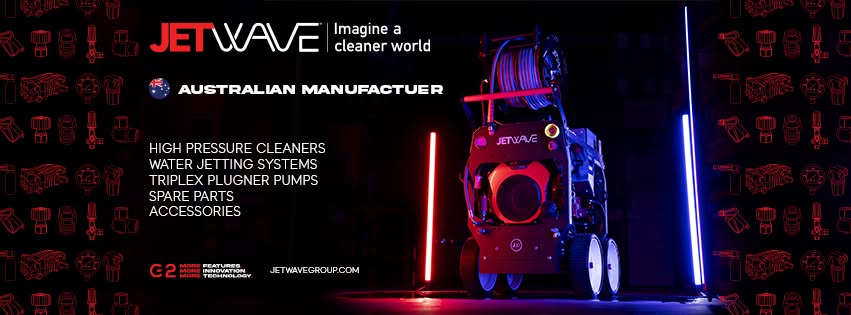
Professional cleaning jobs often require more than a standard pressure washer. When cleaning teams need power, mobility, water capacity, and the ability to work at different locations, a dedicated trailer-based system can make a significant difference. A well-designed pressure wash trailer combines high-pressure cleaning equipment with a mobile platform, allowing professionals to take their cleaning setup directly to the job site.
From commercial property maintenance and construction sites to agriculture, transport, and industrial cleaning, trailer-mounted pressure washing systems offer a practical way to handle demanding outdoor cleaning tasks.
What Is a Pressure Wash Trailer?
A pressure wash trailer is a mobile cleaning system that typically combines a high-pressure pump, water tank, engine, hose reels, spray equipment, and other components on a towable trailer. This setup gives operators access to professional cleaning power without depending on fixed equipment at a particular location.
A pressure wash trailer can be particularly useful when cleaning jobs are spread across different sites or when large areas require extended cleaning sessions. Instead of transporting individual machines and accessories separately, operators can move a complete cleaning system as one practical unit.
Key Components of a Trailer-Mounted Cleaning System
The exact configuration can vary depending on the application, but a professional trailer may include:
- High-pressure pump
- Petrol or diesel-powered engine
- Integrated water tank
- High-pressure hose reels
- Spray guns and lances
- Pressure hoses
- Control valves
- Chemical injection systems
- Safety equipment
- Storage compartments
- Heavy-duty trailer chassis
The right combination of components allows businesses to configure their trailer around specific cleaning requirements.
Why Choose a Pressure Washing Trailer?
A trailer-mounted system provides mobility that conventional stationary pressure washers cannot always offer. Professionals can arrive at a site with the equipment required to begin work without spending excessive time setting up multiple machines.
1. Easy Transportation
One of the biggest advantages is portability. A trailer can be towed behind a suitable vehicle and transported between commercial properties, construction sites, farms, workshops, and industrial facilities.
2. Greater Cleaning Efficiency
A properly configured system provides powerful cleaning performance while keeping essential equipment together. Operators can spend less time moving equipment around and more time completing the actual cleaning work.
3. Independent Water Supply
Many trailer systems include a dedicated water tank. This can be valuable at locations where a convenient mains water connection is unavailable or unsuitable for the job.
4. Suitable for Outdoor Applications
Trailer-mounted pressure washing equipment is designed with mobile applications in mind. It can be useful for cleaning:
- Heavy machinery
- Trucks and trailers
- Concrete surfaces
- Industrial equipment
- Farm machinery
- Building exteriors
- Driveways and pathways
- Construction equipment
- Commercial properties
Applications of Pressure Wash Trailers
The versatility of a trailer-mounted system makes it suitable for many industries. The equipment configuration can be selected according to pressure, flow, water capacity, heating requirements, and operating environment.
Construction and Building Maintenance
Construction sites frequently accumulate mud, dust, concrete residue, and other contaminants. A mobile pressure washing system can help clean equipment, vehicles, pathways, and surrounding surfaces.
Transport and Fleet Cleaning
Transport companies can use mobile cleaning equipment to maintain trucks, buses, trailers, and other commercial vehicles. Having a cleaning system that can travel to the fleet location can improve convenience and reduce downtime.
Agriculture and Farming
Farms often require equipment capable of handling dirt, mud, soil, and organic residue. Trailer-mounted pressure washers can provide a practical solution for cleaning tractors, machinery, sheds, and other agricultural equipment.
Industrial Cleaning
Industrial facilities may require high-pressure cleaning for machinery, floors, walls, production areas, and heavy equipment. A purpose-built trailer can provide the mobility needed for large or remote sites.
Cold Water vs Hot Water Trailer Systems
When selecting a trailer-mounted cleaning system, it is important to consider whether cold or hot water cleaning is better suited to the application.
Cold water systems are generally effective for removing:
- Dirt
- Mud
- Dust
- Loose debris
- General surface contamination
Hot water systems can provide additional cleaning power when dealing with grease, oil, fats, and other stubborn contaminants. Heat can help break down certain substances more effectively, potentially reducing cleaning time.
The best choice depends on the type of contamination, cleaning frequency, available utilities, and operating environment.
How to Select the Right Pressure Wash Trailer
Choosing a trailer should involve more than simply looking at maximum pressure. Several specifications influence overall cleaning performance.
Consider These Factors
Pressure and flow rate: Pressure determines the force available for cleaning, while water flow affects how quickly contaminants can be rinsed away.
Water capacity: A larger tank may provide greater independence when working away from a reliable water source.
Power source: Petrol and diesel engines can provide strong performance for mobile applications. The appropriate option depends on workload, operating conditions, and required runtime.
Hose capacity: Sufficient hose length allows operators to cover a larger working area without repeatedly moving the trailer.
Trailer construction: A durable chassis, appropriate suspension, secure equipment mounting, and suitable tyres are important for frequent transportation.
Safety features: Emergency stops, pressure controls, secure hose storage, and proper component protection can contribute to safer operation.
Benefits for Professional Cleaning Businesses
For mobile cleaning contractors, equipment flexibility can have a direct impact on productivity. Instead of taking multiple machines to every location, a trailer system can consolidate essential equipment into one mobile platform.
Some potential business benefits include:
- Faster site setup
- Improved equipment organisation
- Greater mobility
- Reduced manual equipment handling
- More flexible job scheduling
- Ability to service remote locations
- Professional presentation on customer sites
A trailer can also be configured for specialised services, allowing cleaning businesses to develop equipment packages around their target industries.
Maintenance Tips for Long-Term Performance
Regular maintenance is essential for keeping a pressure washing trailer operating reliably. Even heavy-duty equipment needs routine inspection and servicing.
A basic maintenance routine should include:
- Check engine oil and service the engine according to manufacturer recommendations.
- Inspect hoses and fittings for wear or damage.
- Check pump connections and pressure components.
- Clean filters and water-system components.
- Inspect tyres, lights, brakes, and trailer connections.
- Drain and protect the water system when required.
- Keep the trailer and equipment clean after demanding jobs.
Preventive maintenance can help identify small problems before they develop into expensive equipment failures.
Why Professional Equipment Matters
A pressure washing trailer is an investment in productivity rather than simply another piece of cleaning equipment. Professional systems are designed around real-world operating requirements, helping users manage demanding jobs with greater consistency.
When choosing equipment, businesses should consider their typical applications, daily workload, cleaning environment, transport requirements, and future expansion plans. A properly matched system can provide better value than purchasing equipment based only on maximum pressure ratings.
Conclusion: Choosing the Right Solution with jetwave groups
A pressure wash trailer can transform the way mobile cleaning businesses approach demanding jobs. By combining powerful cleaning equipment, water storage, hose management, and transportation into one system, trailer-mounted solutions offer flexibility and convenience across construction, agriculture, transport, commercial cleaning, and industrial applications.
The right trailer should be selected according to the job rather than a single specification. Pressure, flow, water capacity, engine type, trailer construction, safety features, and maintenance requirements all play an important role.
For businesses looking for dependable professional cleaning equipment and mobile solutions, jetwave groups can be considered when evaluating equipment options designed for demanding cleaning environments.
Frequently Asked Questions
1. What is a pressure wash trailer used for?
A pressure wash trailer is used for mobile high-pressure cleaning applications. It can be used for vehicles, machinery, buildings, concrete surfaces, construction equipment, agricultural equipment, and industrial cleaning.
2. Is a pressure washing trailer better than a standard pressure washer?
It depends on the application. A trailer system offers greater mobility, water storage, equipment organisation, and the ability to operate at locations where fixed cleaning equipment may not be practical.
3. Should I choose a hot or cold water pressure wash trailer?
Cold water is suitable for many general cleaning applications, while hot water can be especially useful for grease, oil, and other stubborn contaminants. The choice should depend on the type of cleaning work being performed.
4. What should I look for when buying a pressure wash trailer?
Consider pressure, water flow, tank capacity, engine type, hose length, pump quality, trailer construction, safety features, storage, and the type of work you expect to perform.
5. How do I maintain a pressure wash trailer?
Regularly inspect the engine, pump, hoses, fittings, water system, tyres, brakes, lights, and trailer connections. Following the manufacturer's maintenance schedule is also important for reliable long-term performance.