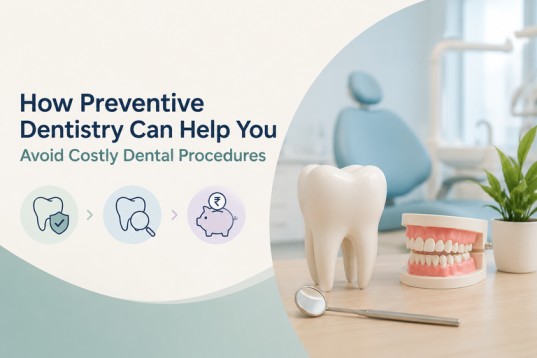
How Preventive Dentistry Can Help You Avoid Costly Dental Procedures
-

- Published Updated
- 2,490 views
Many people think about visiting a dentist only when they have a toothache, swollen gums, sensitivity, or another noticeable dental problem. While these symptoms should never be ignored, waiting until something goes wrong is not always the best approach to maintaining oral health. Some dental problems can develop quietly without causing pain in the early stages. By the time symptoms become noticeable, treatment may already be more complicated.
This is where dental preventive treatment can make a meaningful difference. Preventive dentistry focuses on protecting your teeth and gums through regular checkups, professional cleaning, early detection, and personalized dental advice. Taking care of potential problems early can help you avoid extensive treatments while keeping your smile healthy for years to come.
What Is Preventive Dentistry?
Preventive dentistry is an approach to dental care that focuses on preventing oral health problems before they become serious. It includes regular dental examinations, professional teeth cleaning, oral health assessments, and guidance about maintaining good dental habits at home.
For example, a small cavity may not cause pain when it first develops. During a routine dental examination, a dentist may be able to identify the problem before it becomes more advanced. Treating a small cavity may require a relatively simple procedure. If it is left untreated, however, the decay can progress deeper into the tooth and potentially require more complex treatment.
This is why clinical preventive dentistry is an important part of maintaining long term oral health. It allows dental professionals to monitor changes in your mouth and take appropriate action before minor concerns become major problems.
How Preventive Care Can Help Reduce Dental Costs
One of the main benefits of preventive dental care is early detection. Dental problems generally become more difficult to manage when they are allowed to progress. A minor concern that could have been treated quickly may eventually require several appointments or a more extensive procedure.
Regular dental examinations can help identify cavities, early gum problems, damaged teeth, worn dental restorations, and other concerns. When these issues are detected early, your dentist can discuss suitable treatment options before the condition becomes more complicated.
Professional dental cleaning is another important part of prevention. Brushing and cleaning between your teeth at home are essential, but plaque and tartar can still accumulate in areas that are difficult to reach. Professional cleaning can remove this buildup and support healthier teeth and gums.
These preventive dentistry services should therefore be considered an investment in your oral health rather than simply another appointment on your calendar. Spending time on prevention today may help reduce the likelihood of needing extensive dental care in the future.
Prevention Goes Beyond Cavities
When people hear the word prevention, they often think about cavities. However, preventive dental care involves much more than protecting your teeth from decay. Gum health is equally important.
Plaque buildup around the gums can contribute to inflammation and gum disease. If gum problems are ignored, they can gradually affect the tissues and bone that support your teeth. In more advanced situations, this can contribute to loose teeth and tooth loss.
Regular dental visits allow your dentist to check the condition of your gums and identify warning signs at an early stage. You can also receive personalized advice about brushing, cleaning between your teeth, food choices, and other habits that can influence your oral health.
The combination of prevention and early identification is an important part of preventive and diagnostic dental services. It gives patients a better understanding of their oral health while helping dentists identify concerns that may not be obvious to the patient.
Why You Should Not Wait for Tooth Pain
Tooth pain is one of the most common reasons people schedule a dental appointment. However, the absence of pain does not necessarily mean that your teeth and gums are completely healthy.
Some cavities, gum problems, and other oral conditions may develop without obvious symptoms. A routine dental examination can sometimes identify these issues before they start affecting your everyday life.
Think of a dental checkup as a health assessment rather than an appointment you need only when something hurts. Regular visits give your dentist an opportunity to understand your dental history, monitor changes, and recommend appropriate care based on your individual needs.
Preventive Dentistry Can Save More Than Money
The benefits of prevention are not limited to reducing potential treatment expenses. Preventive care can also save you time, discomfort, and unnecessary stress.
A small dental issue may be relatively easy to manage when detected early. If the same problem is ignored for months or years, it can become more difficult to treat and may interfere with eating, speaking, sleeping, or other everyday activities.
Prevention can also help you become more aware of your own oral health. When you regularly discuss your dental habits with a professional, you are more likely to understand which areas need improvement and how small changes can make a difference.
Making Preventive Care Part of Your Routine
Maintaining good oral health does not require complicated changes. Simple habits can make a significant difference when practiced consistently. Brush your teeth twice a day, clean between your teeth regularly, maintain a balanced diet, limit frequent consumption of sugary foods and drinks, and visit your dentist for routine examinations.
It is also important to pay attention to changes in your mouth. Bleeding gums, persistent bad breath, sensitivity, changes in the appearance of your teeth, or discomfort while chewing should not be ignored. These signs may indicate that you need a professional dental assessment.
Ultimately, prevention is about being proactive rather than waiting for a problem to become serious. Making dental preventive treatment part of your regular healthcare routine can help you maintain healthier teeth and gums, identify potential concerns earlier, and reduce the possibility of needing complicated dental procedures.
A healthy smile is not only about treating problems when they appear. It is also about taking consistent steps to prevent those problems from developing in the first place. Regular dental care, professional guidance, and good daily habits can work together to support your oral health and help you enjoy your smile with greater confidence.