What Printing Techniques Are Used for Custom Boxes?
-

- June 23rd, 2026
- 3,168 views

FREE SEO Topical Map Generator: Find Your Next Content Ideas
If you've spent any time in packaging fulfillment, you already know that printing is where a lot of brands either get it right or quietly waste money. I've seen both sides of it: clients who nailed their shelf presence on the first run and others who went through three revision cycles because nobody asked the right questions upfront.
Let me break down the actual techniques used in the industry, not the fluffy overview you'd get from a sales brochure.
Offset Lithography Still the Workhorse
For high-volume runs, offset lithography remains the most cost-efficient way to get sharp, consistent color across thousands of units. The ink is transferred from a plate to a rubber blanket, then onto the substrate. That indirect process is what gives you such clean registration and rich color depth.
Where brands go wrong here: they approve digital proofs without requesting a press proof, then act surprised when the Pantone colors shift slightly on uncoated stock. Coated and uncoated boards behave differently, something your designer may not flag unless they've worked directly in production environments.
This method suits folding cartons, retail shelf boxes, and food-grade Custom Boxes packaging where brand color consistency is non-negotiable.
Flexography The Corrugated Standard
Walk into any corrugated fulfillment facility and flexo printing is what's running. It uses flexible relief plates and fast-drying inks, which makes it ideal for high-speed runs on kraft board, corrugated flutes, and even kraft mailers.
The tradeoff is image resolution. Flexo is not where you want fine gradients or photographic detail. It handles solid fills, logos, and basic typography beautifully, but don't expect it to reproduce a lifestyle product shot with any accuracy.
In my experience, e-commerce brands ordering custom boxes for shipping often overlook this limitation. They send over brand assets designed for offset or digital reproduction and then wonder why things look flat. The fix is designing specifically for flexo bold colors, clean lines, minimal halftone work.
Digital Printing Short Runs and Flexibility
Digital printing has genuinely changed what's possible for smaller brands and seasonal packaging. No plates, no setup fees, and you can run 50 units as easily as 5,000. Inkjet and electrophotographic (toner-based) systems are the two main approaches here.
The color accuracy has improved significantly over the past several years. That said, digital still can't fully match the ink density of offset on certain substrates, particularly uncoated recycled boards that are increasingly popular right now for sustainability reasons.
Where digital shines is in variable data printing, think personalized boxes, regional SKU variations, or limited-edition runs. If a brand is testing a new market or launching a subscription box, digital is often the smarter starting point before committing to a large offset or flexo run.
Screen Printing Specialty and Rigid Packaging
Screen printing is less common in folding carton work but shows up regularly in rigid box manufacturing, premium gift packaging, cosmetic boxes, retail display packaging. It deposits a thick ink layer, which is why it's often paired with specialty finishes like soft-touch coatings or spot UV.
You also see screen printing used for packaging that requires opaque white ink on dark substrates, something digital struggles with unless you're running a dedicated white ink pass.
Foil Stamping and Embossing Not Printing, But Often Confused With It
I'll mention these briefly because clients routinely group them under "printing techniques" when they're actually separate finishing processes. Foil stamping uses heat and metallic foil film. Embossing creates dimensional relief. Both require custom dies and add cost per unit, but for premium custom boxes in sectors like spirits, cosmetics, and specialty food, they often justify the investment because the tactile experience genuinely influences purchase decisions.
One opinion I'll stand behind: brands in the mid-market segment underinvest in finishing and overspend on structural complexity. A cleaner box with considered foiling outperforms an over-engineered structure with mediocre printing almost every time.
A Common Mistake Worth Highlighting
The biggest recurring mistake I see is brands selecting a printing method based purely on unit cost without accounting for substrate compatibility, lead times, and color limitations. A brand that chooses digital for cost savings but prints on a recycled brown kraft substrate may end up with muted, off-brand colors that undermine the premium positioning they're trying to build.
Always align your printing method with your substrate first, then your volume, then your budget.
Conclusion
Printing for custom boxes isn't one-size-fits-all it never has been. Offset, flexo, digital, screen printing, and finishing techniques each exist for specific use cases, volumes, and budget structures. The brands that consistently get great packaging results are the ones who bring their packaging partners into the conversation early, ask detailed questions about substrate behavior, and don't treat printing as an afterthought. Packaging is a functional asset. Treat it that way.
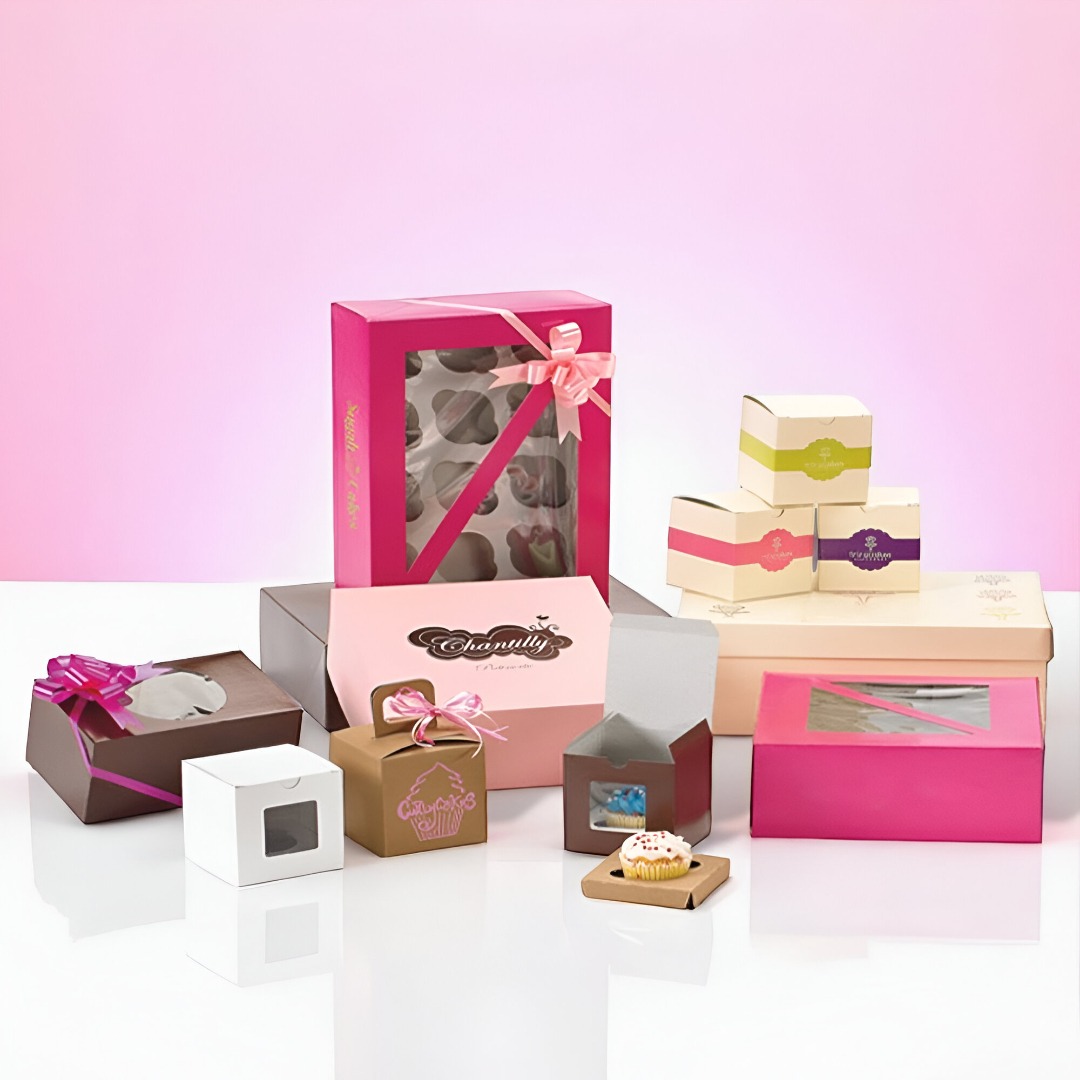
Discover the most popular printing techniques used for custom boxes, including offset, digital, and flexographic printing methods.
Visit us at: https://www.regalboxes.com/