Proactive Cybersecurity Strategies for a Secure Digital Future
-

- February 23rd, 2026
- 1,474 views

FREE SEO Topical Map Generator: Find Your Next Content Ideas
Proactive Cybersecurity Strategies for a Secure Digital Future
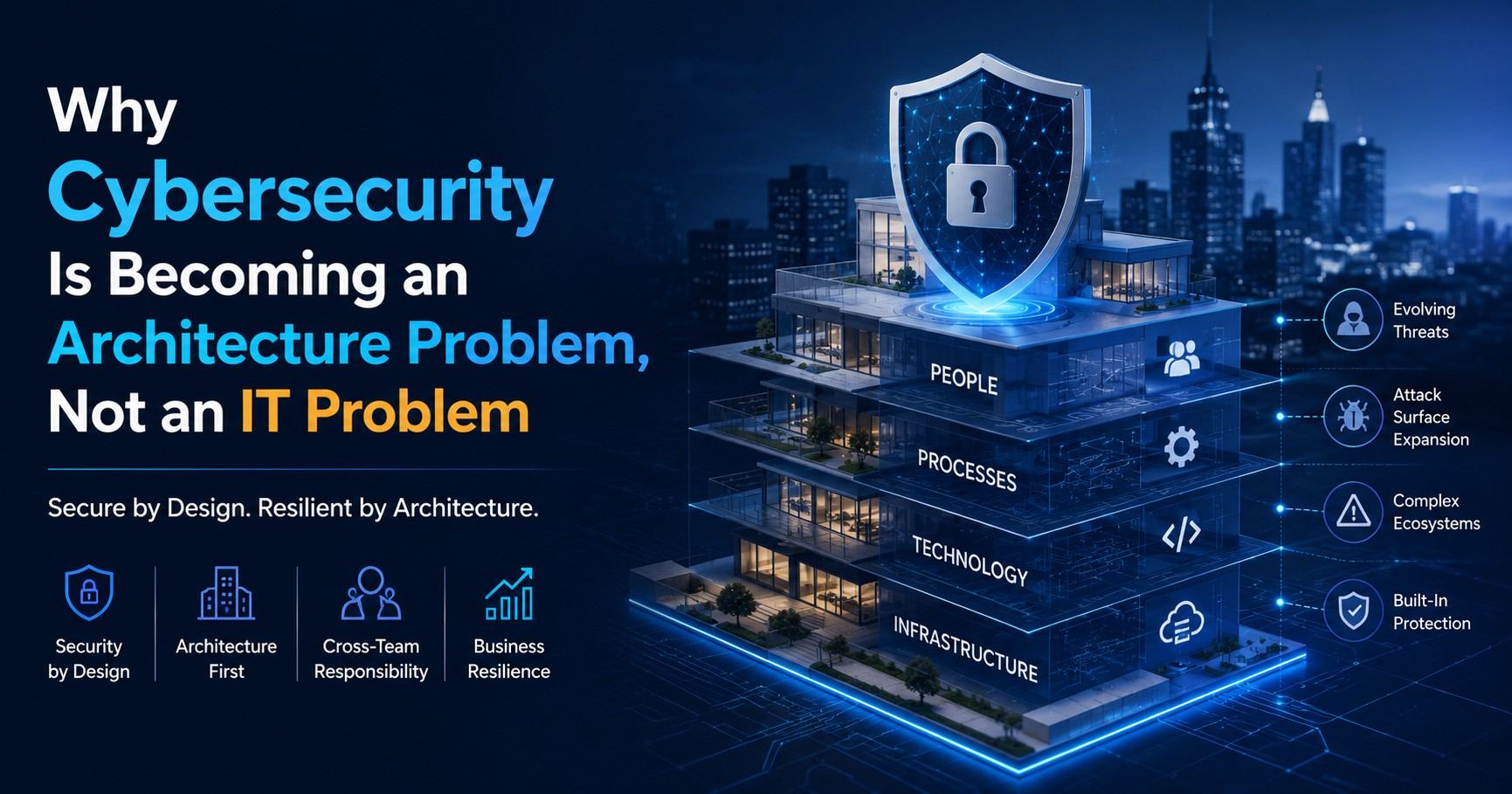
The cyber security paradigm is shifting from reactive defense to continuous, proactive risk management as organizations face evolving threats across cloud, mobile and operational technology environments. A proactive approach emphasizes anticipation, early detection, resilience and governance to reduce impact from breaches and maintain business continuity.
- Proactive cybersecurity centers on threat anticipation, rapid detection, containment and recovery.
- Core elements include risk assessment, zero trust architecture, patch management, secure design and incident response planning.
- Continuous monitoring, supply-chain controls and workforce training strengthen resilience.
- Frameworks such as the NIST Cybersecurity Framework provide guidance for governance and controls.
Core principles of the cyber security paradigm
A modern cyber security paradigm rests on a few interlocking principles: risk-based decision making, defense-in-depth, minimal trust, secure-by-design engineering and continuous verification. Risk assessments guide prioritization of controls and budgets, while layered defenses reduce the chance that a single failure will lead to catastrophic loss.
Risk-based prioritization
Effective programs start with asset inventories and business-impact analysis. Identify critical systems, data flows and dependencies to target protections where the potential harm is greatest. Regulatory expectations and sector-specific guidance inform risk tolerance and compliance priorities.
Zero trust and least privilege
Zero trust architectures assume no implicit trust between users, devices and services. Implementing microsegmentation, strong identity and multifactor authentication, and least-privilege access reduces lateral movement by adversaries and limits exposure when credentials are compromised.
Defense-in-depth and resilience
Combine technical controls (network segmentation, endpoint protections, encryption) with operational measures (patch management, change control, backups) to create redundant layers. Resilience planning accepts that breaches may occur and focuses on rapid containment and recovery.
Implementing proactive measures
Threat intelligence and hunting
Subscribe to credible threat intelligence feeds and conduct active threat hunting to detect advanced threats that bypass automated controls. Threat modeling and tracking of attacker techniques, tactics and procedures (TTPs) help adapt defenses to real-world adversary behavior.
Vulnerability management and patching
Establish an inventory of hardware and software, prioritize vulnerabilities using common scoring systems and apply patches or mitigations in a timely manner. Automated patch orchestration and staged deployment reduce operational disruption while closing attack paths.
Secure software and system design
Embed security earlier in development lifecycles through secure coding practices, static and dynamic analysis, and threat modeling. Adopt principles from established standards such as ISO/IEC 27001 and align controls with recognized frameworks for consistent implementation.
Supply chain and third-party risk
Assess and monitor suppliers for security practices, contractual requirements and incident notification. Require minimum-security baselines for critical vendors and include continuity and audit clauses to manage third-party exposures.
Continuous monitoring and automation
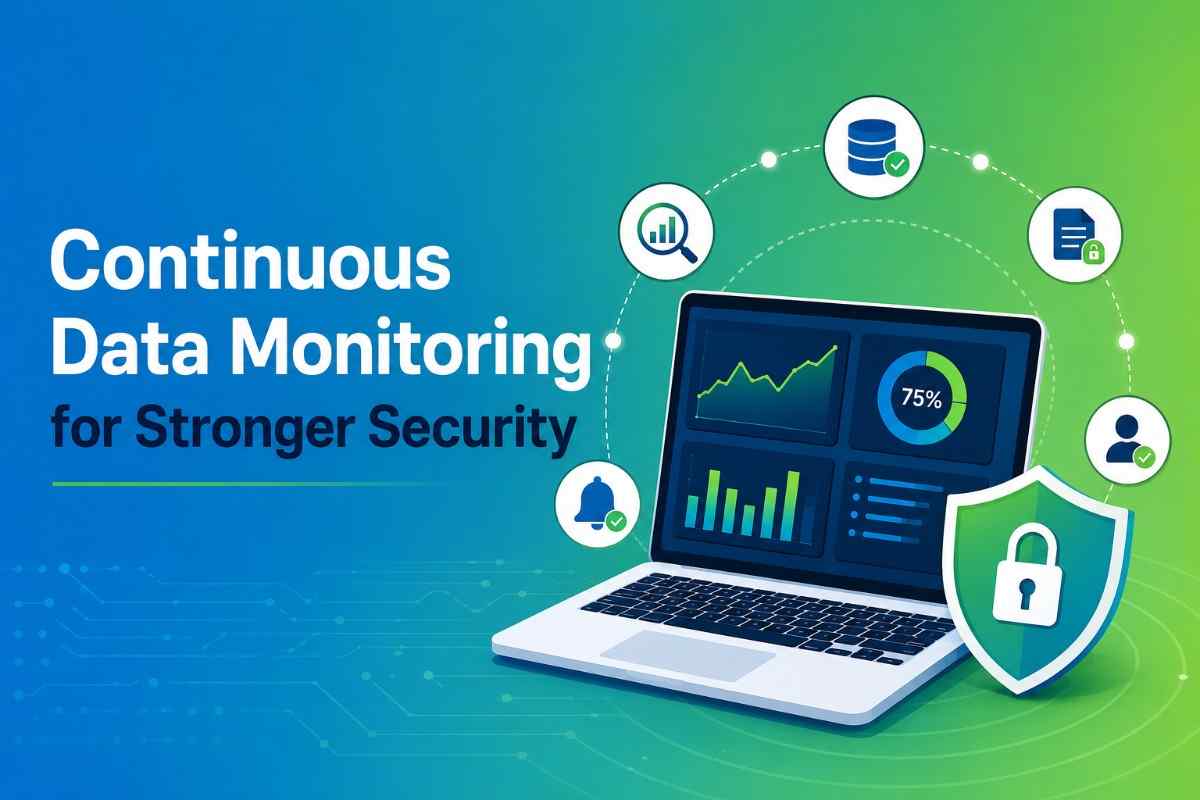
Use security information and event management (SIEM), endpoint detection and response (EDR), and orchestration tools to aggregate telemetry and automate responses. Continuous monitoring improves mean time to detect and mean time to respond, which are key resilience metrics.
Incident response and recovery planning
Maintain a tested incident response plan with clear roles, communication channels and playbooks for common scenarios. Regular tabletop exercises and post-incident reviews ensure that lessons are captured and controls are adjusted to prevent recurrence.
Security culture and workforce development
Human factors remain a primary attack vector. Regular training, phishing simulations and clear reporting processes encourage early detection of social-engineering attempts and promote security-conscious behavior across the organization.
Governance, compliance and metrics
Governance structures should align cybersecurity responsibilities with business objectives. Use measurable indicators—such as patch coverage, time-to-detect and percentage of high-risk assets remediated—to demonstrate progress to senior leadership and regulators. Guidance from national standards bodies provides a consistent baseline for governance; for example, the NIST Cybersecurity Framework offers a widely adopted approach to identify, protect, detect, respond and recover.
Measuring success and evolving defenses
Proactive programs rely on continuous improvement. Institutionalize feedback loops from incidents, red-team exercises and operational metrics to refine risk models and update controls. Align investment with measured reduction in exposure and improved recovery capability.
Frequently asked questions
What is the cyber security paradigm and why does it matter?
The cyber security paradigm refers to the set of strategies, principles and practices that guide how organizations protect digital assets. Shifting from reactive to proactive paradigms matters because it emphasizes prevention, early detection and resilience—reducing the likelihood and impact of successful attacks.
How does zero trust fit into a proactive strategy?
Zero trust reduces implicit trust across networks and systems, limiting attacker movement and exposure. It complements proactive measures by enforcing continuous verification and strict access controls.
Which frameworks are useful for building proactive cyber defenses?
Frameworks such as the NIST Cybersecurity Framework, ISO/IEC 27001 and sector-specific guidance from regulators provide structured approaches to govern, implement and assess security controls. These frameworks help align technical measures with business risk and compliance needs.
How often should incident response plans be tested?
Incident response plans should be exercised at least annually and more frequently for high-risk environments or after significant infrastructure changes. Regular tabletop and live exercises validate roles, communication and technical playbooks.
What role does leadership play in proactive cybersecurity?
Executive support is essential for allocating resources, setting risk appetite and integrating cybersecurity into strategic planning. Leadership commitment fosters a culture where security is considered in decisions across the organization.
References: National Institute of Standards and Technology (NIST), ISO/IEC 27001, sector regulators and peer-reviewed security literature provide authoritative guidance for implementing proactive cybersecurity measures.