AI Security Platform: Stop Prompt Injection in Real Time
-
- April 21st, 2026
- 5,786 views

FREE SEO Topical Map Generator: Find Your Next Content Ideas
Artificial intelligence is now part of everyday business operations. From customer support to data analysis, organizations depend on AI systems to handle important tasks. However, as usage increases, new types of security risks are also emerging. One of the most concerning threats is prompt injection. This occurs when someone tries to manipulate an AI system by inserting harmful or misleading instructions into its input.
Understanding how these attacks work and how they can be stopped is important for any business using AI. A modern AI security platform helps monitor, detect, and control these risks in real time, ensuring safer and more reliable AI interactions.
What Are Prompt Injection Attacks?
Prompt injection attacks happen when an attacker adds hidden or misleading instructions into an AI prompt. These instructions can trick the AI into revealing sensitive data or changing its intended behavior.
For example, an attacker may try to override system instructions by adding text that forces the AI to ignore its safety rules. Since AI models process natural language, they can sometimes follow these instructions without recognizing them as harmful.
This type of attack is different from traditional cyber threats because it targets how AI understands and responds to input, rather than exploiting software vulnerabilities.
Why Prompt Injection Matters for Businesses
Prompt injection can affect how AI systems behave, which can lead to incorrect outputs or exposure of private information. In business environments, this can impact decision-making, customer trust, and internal processes.
AI systems often interact with sensitive data such as customer details, internal documents, or financial insights. If manipulated, these systems may respond in ways that were never intended. This makes it important to have proper monitoring and control in place.
A well-structured ai model governance approach helps ensure that AI systems follow defined rules and remain aligned with organizational policies.
Why Traditional Security Is Not Enough
Traditional security tools are designed to protect networks, devices, and applications. However, AI systems work differently because they rely on language and context.
Static rules cannot always detect complex or hidden instructions within prompts. Attacks may appear as normal text, making them harder to identify. Without real-time monitoring, these threats can pass through unnoticed.
This is where specialized AI security systems play an important role by focusing on how AI interacts with data and users.
How an AI Security Platform Works
An ai security platform focuses on analyzing both input and output in real time. It examines prompts before they reach the AI model and checks responses before they are delivered to users.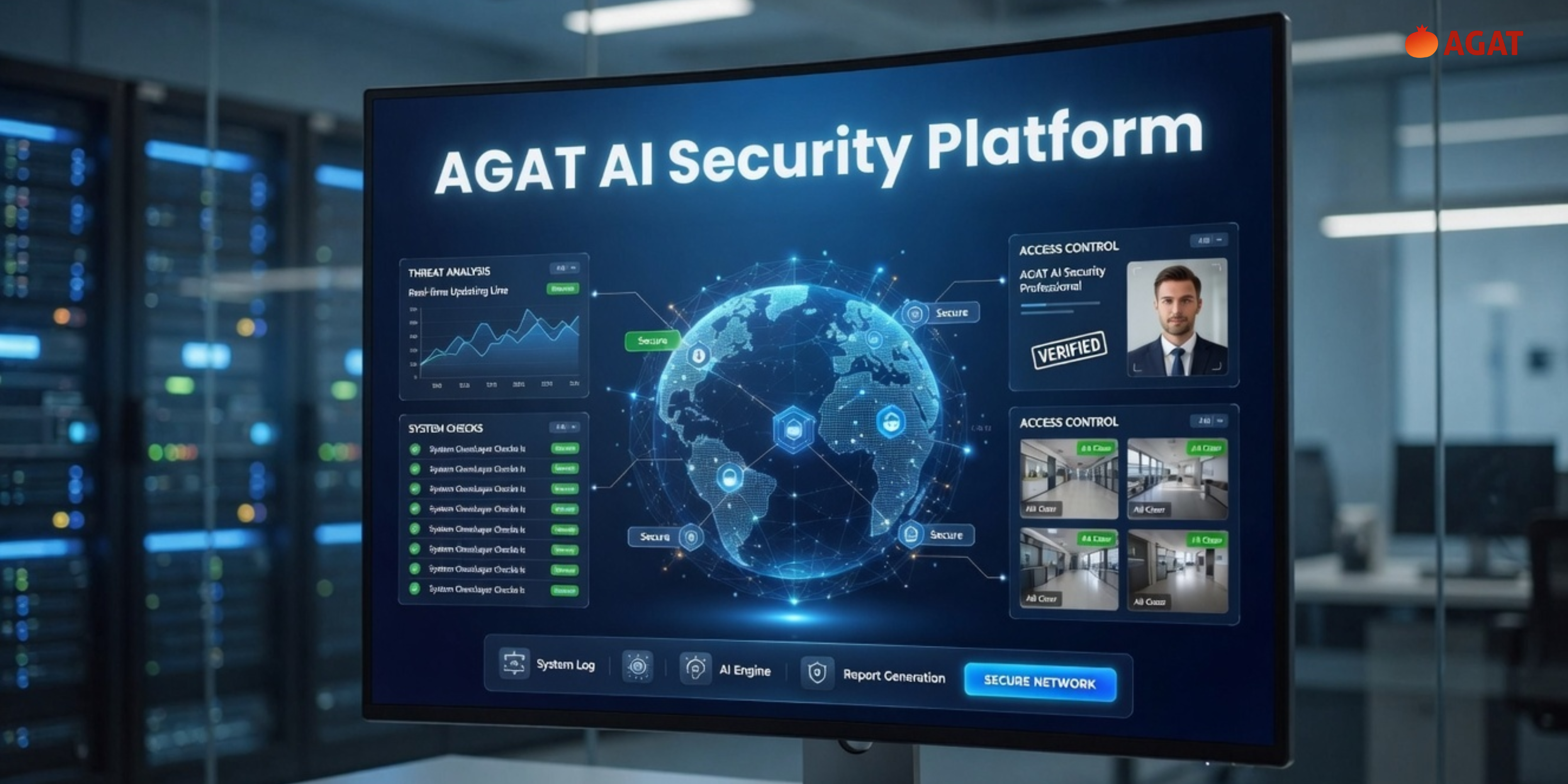
The system uses context-aware analysis to understand whether a prompt includes suspicious patterns. It can detect unusual instructions, attempts to override system rules, or requests for restricted information.
At the same time, it monitors AI responses to ensure they follow approved guidelines. If any issue is detected, the system can block, modify, or flag the response.
An ai API gateway adds another layer of control by managing how different applications connect to AI services. It ensures that all interactions pass through secure checkpoints before reaching the system.
Real-Time Detection and Prevention
Real-time monitoring is one of the most important aspects of AI security. Instead of reviewing data after an issue occurs, the system checks every interaction as it happens.
It uses pattern recognition and behavioral analysis to identify unusual activity. For example, if a prompt tries to change system instructions or request restricted data, it can be flagged immediately.
The system can then stop the request or adjust the response before it reaches the user. This helps maintain safe and consistent AI behavior.
For organizations using conversational tools, an enterprise ai q & a chatbot benefits greatly from this approach, as it interacts directly with users and must remain accurate and secure at all times.
Key Features That Help Prevent Attacks
AI security platforms include several important features that support safe operations:
- Guardrails that define what the AI can and cannot do
- Access controls to limit who can interact with certain data
- Monitoring tools that track every interaction
- Data protection systems that prevent sensitive information from being shared
- Detailed logs that help review and improve system performance
These features work together to maintain control over AI systems while allowing them to function efficiently.
Benefits for Organizations
Using an AI security platform provides several important advantages that help businesses maintain safe and reliable AI operations.
Improved Data Protection:
Ensures sensitive information is not exposed through manipulated AI responses.
Better Control Over AI Systems:
Maintains consistent and expected behavior across all AI interactions.
Enhanced Compliance:
Helps organizations follow industry regulations and internal policies.
Stronger Trust and Reliability:
Builds confidence in AI outputs for both users and stakeholders.
Clear Visibility and Monitoring:
Provides insights into how AI systems perform and respond in real time.
Safer Decision-Making:
Reduces the risk of incorrect or influenced AI-generated results.
These benefits help organizations maintain control, improve security, and ensure their AI systems perform reliably in real-world scenarios.
Best Practices for Safer AI Usage
- Organizations should take a structured approach when using AI tools:
- Regularly review AI behavior and outputs
- Set clear policies for how AI systems should operate
- Train teams to understand AI-related risks
- Monitor all interactions in real time
- Use secure systems that provide full visibility and control
Following these steps helps maintain consistency and reduces unexpected behavior in AI systems.
Conclusion
Prompt injection is a growing concern as businesses continue to rely on AI systems. Real-time monitoring and control are essential to ensure that AI behaves as expected and does not expose sensitive information.
A structured approach to security, combined with proper monitoring tools, helps maintain trust and consistency in AI operations. Many organizations are already adopting advanced solutions to manage these challenges effectively, including platforms such as AGAT Software that focus on secure and controlled AI usage.
Take the next step toward safer AI systems and ensure your organization stays prepared.
FAQs
1. What is a prompt injection attack?
It is a method where attackers insert harmful instructions into AI prompts to manipulate responses or access restricted data.
2. How does an AI security platform help?
It monitors inputs and outputs in real time, detects suspicious activity, and prevents unsafe responses.
3. Why is real-time monitoring important?
It allows issues to be detected and handled immediately before they affect users or systems.
4. Can AI systems be used safely in businesses?
Yes, with proper monitoring, governance, and security measures, AI can be used reliably and effectively.
5. What role does governance play in AI security?
It ensures AI systems follow defined rules, remain compliant, and operate within safe boundaries.