Why choose professional sofa repair instead of replacing your sofa?
-

- Published Updated
- 65 views
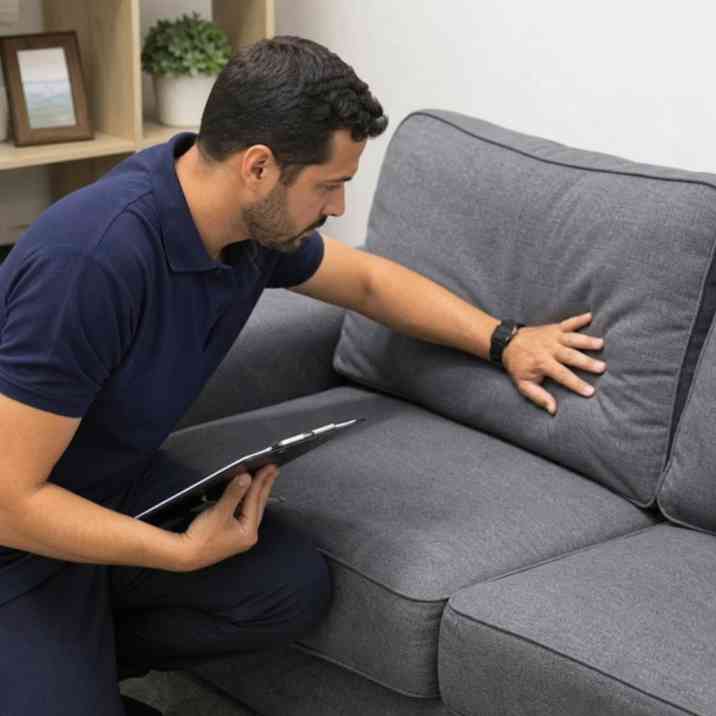
Professional sofa repair is worth considering when the frame, cushions, upholstery, leather, stitching, springs, or reclining parts can be restored safely and neatly. A good repair can help you keep a sofa that already fits your room, matches your décor, and feels familiar, while avoiding the cost and effort of a full replacement. It also gives you more control over what gets fixed, what materials are used, and how quickly the furniture returns to everyday use.
Replacement may sound simple, but it often brings hidden work: measuring the room, comparing models, arranging delivery, disposing of the old sofa, and waiting for availability. Repair is more targeted. If your cushions are sagging, your recliner handle is stuck, or the upholstery has torn in one area, a professional sofa repair service can focus on that specific problem instead of pushing you toward a completely new purchase.
This is especially useful for families, renters, elderly homeowners, busy professionals, and anyone with a large sectional or sofa set that is difficult to transport. Searching for sofa repair near me home service usually means you want the problem solved where the sofa already sits, without damaging doorways, hiring movers, or losing the use of your living room for days.
Doorstep service saves time, effort, and stress
One of the clearest benefits of modern sofa repair is on-site convenience. Instead of calling a truck, wrapping the sofa, and sending it to a workshop, many repair providers begin with a home visit. The technician can inspect the furniture in its real setting, understand how it is used, and explain what can be fixed on the spot.
This matters because sofas are bulky, awkward, and easy to damage during transport. A corner can scrape a wall, a wooden leg can crack, or upholstery can collect dust and stains while being moved. With doorstep repair, the risk of transport-related damage is reduced, and the process is easier to fit into a normal day.
Home service is also more practical when the issue is straightforward. Cushion foam replacement, minor stitching, loose springs, basic frame tightening, recliner adjustments, and small upholstery repairs may not require the sofa to leave your home. When the job is more complex, the technician can still explain whether a workshop visit is necessary and why.
Professional repair protects comfort and structure
A sofa is more than fabric over foam. It has a frame, joints, springs, webbing, padding, cushions, seams, arms, legs, and sometimes mechanical recliner parts. When one element weakens, the rest of the sofa can start to feel uncomfortable or look uneven. Professional repair helps identify the root cause instead of only covering the visible symptom.
For example, a sagging seat might not be a cushion problem alone. It could involve weak webbing, damaged springs, compressed foam, or a loosened frame. Replacing only the top foam may make the sofa look better for a short time, but the sag can return if the support underneath is not fixed. A skilled repairer checks the layers that affect comfort and durability.
The same idea applies to upholstery and leather. A quick DIY patch may hide a tear, but it can pull, wrinkle, or peel if the surface is not cleaned, aligned, and finished correctly. Professionals are better equipped to match materials, reinforce stressed areas, and preserve the shape of the sofa.
What sofa problems can professionals usually fix?
Professional sofa repair services near me commonly handle a wide range of problems, from visible fabric damage to internal support issues. The exact service depends on the provider, the sofa design, and the condition of the furniture, but many common repairs can be assessed during a home visit.
Typical sofa repair work may include:
Frame repairs: tightening loose joints, fixing cracked wooden parts, improving stability, or addressing uneven seating.
Spring and webbing repairs: restoring support when seats dip, squeak, or feel unstable.
Foam and cushion replacement: improving comfort when cushions are flattened, lumpy, or no longer supportive.
Upholstery repair: fixing tears, loose seams, worn fabric, stitching issues, or damaged panels.
Leather repair: treating scratches, peeling, cracks, fading, or small cuts where suitable.
Recliner repair: addressing handles, cables, footrests, mechanisms, or alignment problems.
Sofa cum bed mechanisms: checking folding systems, hinges, supports, and usability.
Loose covers and finishing work: improving fit, replacing covers, or refreshing the overall look.
Wooden sofa parts: repairing arms, legs, decorative trim, or exposed wooden sections.
If you are searching for sofa set repair near me, it is helpful to ask whether the provider can repair all pieces in the set together. Matching cushion firmness, fabric color, stitch style, and finish across multiple seats can make the final result look more consistent.
Repair is often more cost-conscious than buying new
A new sofa can be a major purchase, especially if you need a full set, sectional, recliner, or leather sofa. Repair lets you spend money on the parts that actually need attention. That can be more sensible when the sofa frame is still strong, the size works well in your room, or the furniture has sentimental value.
Cost depends on the type of repair, material quality, sofa size, damage level, and whether the job can be done at home. Cushion foam replacement is usually priced differently from full reupholstery. A minor stitching repair will not cost the same as rebuilding a broken frame or repairing a recliner mechanism. Good providers should explain the quote before work begins, including materials, labor, expected time, and any warranty or service terms they offer.
Repair also helps avoid waste. If the main structure is usable, restoring it can keep a large piece of furniture out of disposal while still giving your living space a cleaner, more comfortable feel. This makes repair a practical choice for people who want value without automatically replacing items that still have life left in them.
A skilled technician can spot hidden issues early
Small sofa problems often grow when ignored. A loose arm can put stress on nearby joints. A sagging corner can strain fabric and stitching. A recliner that sticks can damage internal parts if forced repeatedly. Professional inspection helps catch these issues before they become more expensive or difficult to fix.
This is one reason a home visit can be valuable even when the damage looks minor. The technician can sit on the sofa, test the support, check movement, examine seams, and look underneath if needed. That hands-on assessment is difficult to replace with a photo alone, although photos can help with an initial estimate.
Early repair is also better for appearance. Tears are easier to manage before they spread. Cushions are easier to reshape before the foam collapses completely. Wooden frames are easier to reinforce before they break in multiple places. Acting early helps preserve both comfort and style.
Professional materials make a visible difference
The quality of repair materials affects how the sofa feels and how long the repair lasts. Foam density, fabric strength, leather finish, thread type, webbing quality, and hardware all influence the result. A professional can recommend materials based on how the sofa is used, not just how it looks.
For a family room sofa used every day, durability may matter more than a delicate fabric finish. For a formal living room, color matching and appearance may be the priority. For leather sofas, surface preparation and finishing are especially important because poorly matched repairs can stand out. Professional guidance helps balance appearance, comfort, budget, and expected use.
This is where searching for sofa repair works near me should go beyond finding the closest option. Ask what materials will be used, whether samples are available, and how the technician plans to match the existing sofa. Clear answers are often a good sign that the provider is thinking about long-term results, not just a quick patch.
How does the doorstep sofa repair process work?
A typical doorstep sofa repair process starts with booking, moves into inspection and quotation, continues with the approved repair, and ends with a quality check. The goal is to make the experience simple: you explain the issue, the technician evaluates the sofa, and you decide whether the proposed repair fits your needs and budget.
Here is a practical version of what to expect:
Share the problem: Send details such as the sofa type, age if known, visible damage, photos, and whether you need urgent service.
Book an inspection: Choose a time for the technician to visit your home and examine the sofa properly.
Review the quote: Ask for a clear explanation of labor, materials, repair scope, timeline, and any warranty terms.
Approve the work: Confirm what will be repaired and what result you can realistically expect.
Complete the repair: Many common jobs can be handled on-site, while complex work may require additional time or workshop support.
Check the result: Sit on the sofa, test recliner parts if present, inspect stitching, and confirm the finish before completion.
Before booking any sofa repair shop near me, ask whether they offer home service, what repairs they perform on-site, and how they handle jobs that cannot be completed during the first visit. This helps avoid confusion and sets realistic expectations.
Professional repair is safer than many DIY fixes
DIY repair can be tempting, especially for small tears or loose parts. Some minor cosmetic fixes may be manageable, but deeper sofa problems often require tools, materials, and experience. Using the wrong adhesive, foam, screws, fabric, or leather treatment can make the damage harder to repair later.
A common DIY mistake is treating every sagging seat as a cushion issue. Another is using a patch that does not flex with the upholstery, causing peeling or puckering. Recliners can be even trickier because mechanical parts may be under tension or connected in ways that are not obvious. Professional help reduces the risk of injury, additional damage, or a repair that fails quickly.
That does not mean homeowners should do nothing. You can vacuum the sofa, prevent spills from setting, avoid overloading weak areas, and stop using a damaged recliner until it is checked. But for structural, leather, upholstery, and mechanism issues, professional repair is usually the more reliable path.
Transparent service makes choosing easier
When people search for sofa repair near me or sofa repair services near me, they are often trying to solve two problems at once: finding someone nearby and finding someone trustworthy. A reliable provider should make the process clear before you commit. You should not have to guess what is included, what materials are being used, or how much the repair may cost.
Use this checklist when comparing options:
Do they offer at-home inspection or doorstep repair?
Can they explain the likely cause of the problem, not just the visible damage?
Are material choices, labor costs, and timelines discussed clearly?
Do they handle your specific sofa type, such as leather, recliner, sectional, or sofa cum bed?
Can they show examples of previous work, where available?
Do they provide written estimates or clear service terms?
Is there any warranty or after-service support on the repair?
Are reviews, ratings, or customer feedback easy to find?
The best choice is not always the cheapest or the closest. Look for a balance of convenience, skill, communication, material quality, and accountability. If a provider rushes the quote or avoids basic questions, it may be worth speaking with another service before deciding.
Restoring your sofa can refresh the whole room
A sofa is often the visual center of a living room. When it sags, squeaks, fades, or tears, the entire space can feel tired. Repair can quickly change that impression by improving shape, comfort, and finish without requiring a full room makeover.
This is especially true when the sofa still suits your lifestyle. Maybe it is the right size for your apartment, the sectional layout works perfectly for movie nights, or the wooden frame matches the rest of your furniture. Repair lets you keep those advantages while addressing the parts that are worn out.
It can also be a smart step before guests visit, before moving into a refreshed home, or when you want to improve comfort without committing to new furniture. A repaired cushion, tightened frame, or restored upholstery panel can make daily use feel noticeably better.
The takeaway
Professional sofa repair offers a practical mix of convenience, value, comfort, and sustainability. Instead of struggling to move heavy furniture or replacing a sofa that still has potential, you can have the damage inspected and often repaired at home by someone who understands frames, cushions, upholstery, leather, and mechanisms.
If you are comparing sofa repair near me, sofa repair service, or local home-service options, focus on transparency and workmanship. Ask what can be repaired, what materials will be used, how pricing is calculated, and what support is offered after the job. With the right professional, your sofa can look better, feel stronger, and continue serving your home for years to come.