Choosing Between Professional and Home Keloid Scar Treatment: A Practical Guide
-
- February 23rd, 2026
- 1,332 views

Get a free topical map and start building content authority today.
Keloid scar treatment can involve procedures performed by a dermatologist or skin specialist or simpler measures that can be done at home. Choosing the right approach depends on scar size, location, symptoms, skin type, medical history, and treatment goals.
- Professional options (steroid injections, surgery with adjuvant therapy, laser, cryotherapy, radiation) often offer faster and stronger results but carry greater cost and procedure risks.
- Home measures (silicone sheets/gels, pressure therapy, gentle scar care) are low-risk, affordable, and suited for prevention or mild improvement, but results may be modest and slow.
- Combination approaches and specialist assessment are commonly used; consult a dermatologist or qualified clinician for recurrent or symptomatic keloids.
Understanding keloids: what they are and why treatment varies
Keloids are raised, fibrous growths that extend beyond the original wound boundary and result from excess collagen formation during healing. They are more common in darker skin tones and can be triggered by acne, piercings, surgical incisions, or skin injury. Symptoms range from cosmetic concern to itching, pain, or restricted movement depending on location.
Comparing Professional and Home keloid scar treatment
The choice between professional and home keloid scar treatment balances effectiveness, speed, cost, convenience, and risk. Professional interventions usually aim to reduce bulk, flatten raised tissue, or prevent recurrence using targeted medical or procedural methods. Home strategies focus on prevention and incremental improvement with fewer side effects.
Professional treatment options
Steroid injections (intralesional corticosteroids)
Common first-line professional therapy for many keloids. Injections can reduce size, itch, and pain by lowering collagen production and inflammation. Multiple sessions over weeks to months are typical. Side effects may include skin thinning, color changes, or localized weakening of tissue.
Surgical excision with adjuvant therapy
Removal of the keloid can achieve immediate reduction in bulk, but recurrence is common if surgery is used alone. Surgeons often combine excision with steroid injections, pressure dressings, or postoperative radiation to lower recurrence risk. Surgery carries risks of infection, scarring, and higher cost.
Laser therapy and light-based treatments
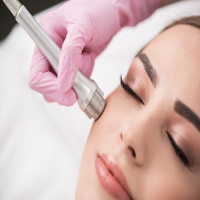
Lasers can reduce redness, flatten tissue, and improve texture. Multiple treatments are required and outcomes vary by device and practitioner experience. Laser therapy is often used alongside other modalities.
Cryotherapy
Freezing keloid tissue with liquid nitrogen can reduce volume and symptoms, particularly for smaller lesions. It may cause blistering, pigment changes, or discomfort during treatment.
Radiation therapy
Post-operative low-dose radiation is used in select cases to reduce recurrence after excision. Because of potential long-term risks, it is reserved for persistent or severe keloids and used under specialist guidance.
Home care and over-the-counter options
Silicone sheets and gels
Silicone materials applied over healed skin are supported by dermatology groups as a noninvasive option to soften and flatten scars over weeks to months. They are low-risk and suitable for ongoing use to prevent worsening of a healing scar.
Pressure therapy and compression
Custom or off-the-shelf pressure garments or dressings can help with keloids in certain locations (for example, earlobes after piercing). Consistent use for months may be needed to see benefit.
Moisture, sun protection, and gentle care
Keeping scars protected from sun exposure reduces hyperpigmentation and supports healing. Avoid picking or irritating a keloid; gentle cleansing and non-irritating moisturizers can help maintain skin integrity.
Topical over-the-counter products
Products such as moisturizing gels and non-prescription silicone formulations can be part of home care. Evidence of dramatic improvement from creams alone is limited.
How to decide which approach is right
Factors to consider
- Severity and symptoms: Painful, rapidly growing, or movement-limiting keloids often require professional evaluation.
- Location and size: Some body areas respond better to specific interventions (e.g., earlobe silicone and pressure after piercing).
- Skin type and previous history: Prior recurrence after treatments influences choice; darker skin types have higher recurrence risk.
- Cost, access, and tolerance for procedures: Professional care may be costly and require multiple visits; home care is usually low-cost but slower.
Safety, expected outcomes, and follow-up
No treatment guarantees permanent removal. Many specialists recommend combined strategies (for example, injections plus silicone) to improve outcomes. Monitor for side effects such as pigment changes, skin thinning, infection after procedures, or poor wound healing. Licensed dermatologists, plastic surgeons, and other trained clinicians can provide assessment and coordinated care.
Authoritative guidance on scar management is available from dermatology organizations and clinical literature. For general patient-facing information, see the American Academy of Dermatology: American Academy of Dermatology. Regulatory bodies such as the U.S. Food and Drug Administration (FDA) oversee medical devices and procedural devices used in some treatments.
When to see a professional
Seek specialist evaluation if:
- The keloid is growing, painful, or interfering with daily activities.
- Previous self-treatment has not improved the scar or caused adverse changes.
- Cosmetic concerns are significant and professional options are being considered.
Practical next steps
- Start with low-risk home measures (silicone, sun protection, gentle care) for new or mild keloids.
- Consult a dermatologist for persistent, symptomatic, or large keloids to review professional options and risks.
- Discuss realistic expectations, costs, and follow-up requirements before starting invasive treatments.
FAQ
What is the best keloid scar treatment for small or new keloids?
For small or newly forming keloids, noninvasive approaches such as silicone sheets or gels and pressure therapy are commonly tried first. If the scar is symptomatic or progressive, a dermatologist may recommend steroid injections or other professional measures.
Can keloids be completely removed?
Complete and permanent removal is challenging. Surgical excision can reduce size but carries a risk of recurrence; combining excision with adjunctive therapies (injections, radiation, pressure) can reduce that risk in many cases.
Are home remedies effective for preventing keloids after injury?
Consistent wound care, sun protection, and use of silicone coverings on closed wounds can help reduce the chance of unfavorable scarring. Individuals with a strong tendency to form keloids should discuss preventive strategies with a clinician.
How long does it take to see improvement?
Home treatments often take weeks to months to show measurable effect. Professional interventions may show faster changes but typically require multiple sessions and follow-up.
Is treatment covered by insurance?
Insurance coverage varies by plan, indication, and whether treatment is deemed medically necessary (for example, if the keloid causes pain or functional limitation). Check with the insurer and the treating clinic for coverage details.