A Beginner's Guide to Reading Protein Powder Labels
-

- Published Updated
- 3,361 views
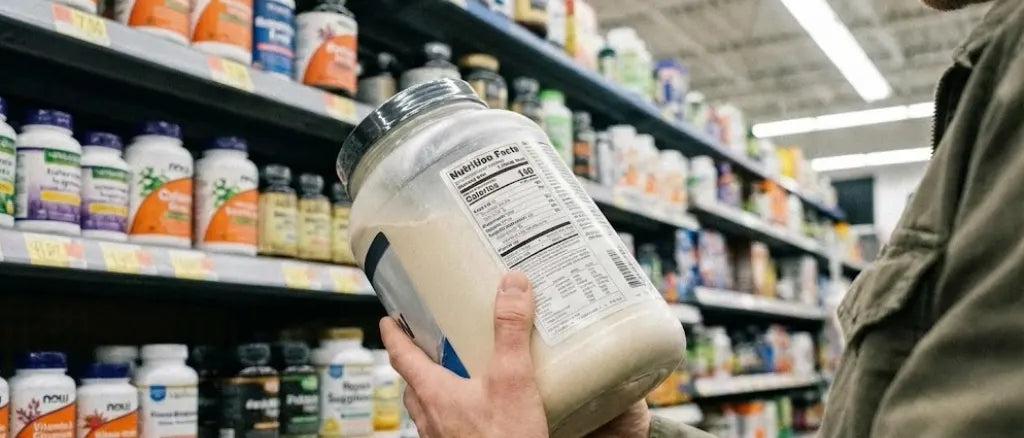
Walking into a nutrition store or browsing protein powders online can feel a little overwhelming. There are so many options, flavours, ingredients, protein sources, serving sizes, and health claims that choosing one can quickly become confusing.
Words like “high protein,” “plant-based,” “clean,” “no added sugar,” and “complete protein” may sound appealing, but the front of the package doesn't always tell you everything you need to know.
The good news is that you don't need to be a nutrition expert to understand a protein powder label. A few simple checks can help you compare products and choose something that fits your diet and lifestyle.
1. Start With the Protein Per Serving
The first thing to check is how much protein you actually get from one serving.
Don't just look at the large number displayed on the front of the pack. Turn the package around and check the nutrition information. Look for protein per serving and also check the serving size.
For example, if a product says it contains 24 grams of protein per serving, find out how large that serving is. A 24-gram protein serving from a 30-gram scoop is very different from 24 grams of protein in a 60-gram serving.
This is one reason comparing products based only on the front label can be misleading.
2. Understand the Serving Size
Serving size is easy to overlook, but it matters when comparing different protein powders.
One brand might define one serving as 30 grams, while another may use 40 or 50 grams. If you compare only the protein number without considering the serving size, you may not be making a fair comparison.
A simple habit is to compare:
Serving size → Protein per serving → Protein percentage
This gives you a better idea of how concentrated the product is.
3. Look at the Protein Source
Not all protein powders are made from the same source.
Common protein sources include:
- Whey
- Soy
- Pea
- Rice
- Peanut
- Other plant-based protein blends
Your choice can depend on your dietary preferences, allergies, food sensitivities, lifestyle, and nutritional goals.
For example, someone following a vegan diet may prefer a plant-based protein powder, while someone comfortable with dairy may choose whey protein.
If you are specifically looking for plant-based options, check whether the product clearly identifies the protein sources instead of simply saying “plant protein.”
4. Check the Ingredient List
The ingredient list can tell you more than the marketing claims on the front of the package.
Ingredients are generally listed in descending order by weight. Take a moment to see what the product actually contains.
A protein powder may contain the protein source along with flavouring agents, sweeteners, stabilisers, thickeners, vitamins, minerals, or other ingredients.
This doesn't automatically mean that a product with more ingredients is bad. Some ingredients may serve a specific functional purpose.
The important thing is to understand what you are buying and whether the ingredient list fits your preferences.
5. Don't Forget Added Sugar
If you're trying to manage your overall sugar intake, check the nutrition panel carefully.
There is a difference between total sugar and added sugar, and labels can vary depending on the product and local labelling requirements.
Some flavoured protein powders can contain added sugars, while others use alternative sweeteners or are formulated without added sugar.
Rather than assuming a product is low in sugar because it is marketed as “fitness” or “protein,” check the actual nutrition information.
6. Check Calories Too
Protein is important, but calories still count as part of your overall diet.
Two protein powders can provide a similar amount of protein but have different calorie counts because of differences in fats, carbohydrates, sugars, and other ingredients.
This doesn't mean the lowest-calorie product is automatically the best.
Instead, think about how the protein powder fits into your complete diet.
If you are adding it to a smoothie with milk, fruit, nut butter, oats, or other ingredients, the total nutritional value of the entire smoothie will be different from drinking the protein powder mixed only with water.
7. Look at the Carbohydrate and Fat Content
Protein is usually the main focus, but carbohydrates and fats can also be useful to consider.
Someone looking for a simple protein supplement may prefer a product with a relatively straightforward nutritional profile. Someone using a shake as part of a meal may want additional carbohydrates or fats.
There isn't one perfect combination for everyone.
The right choice depends on why you're using the product and what the rest of your diet looks like.
8. Check for Allergens and Dietary Preferences
This is especially important if you have a food allergy, intolerance, or specific dietary requirement.
Look for information about common allergens such as:
- Milk
- Soy
- Peanuts
- Tree nuts
- Wheat or gluten, where relevant
If you're vegan, also check whether the product is actually suitable for a vegan diet rather than assuming that every plant-based product is vegan.
If you have a diagnosed allergy or medical condition, it's better to discuss suitable products with a qualified healthcare professional.
9. What About BCAAs and Other Claims?
You may see terms such as BCAAs, amino acids, probiotics, vitamins, minerals, or digestive enzymes highlighted on protein powder packaging.
These can be useful pieces of information, but don't let them distract you from the basics.
First look at:
Protein → serving size → ingredients → calories → sugar → dietary suitability.
Then consider additional features.
A long list of added ingredients doesn't automatically make one protein powder better than another.
10. Check the Quality and Transparency of the Brand
The label isn't the only thing worth checking.
Look at whether the company clearly provides information about its ingredients, nutrition facts, manufacturing standards, and customer support.
Be cautious of products making unrealistic promises such as guaranteed muscle gain, rapid fat loss, or dramatic health transformations.
Protein powder is a food supplement, not a magic solution.
Your overall diet, physical activity, sleep, and lifestyle still matter much more.
11. How Does Alpino's Protein Powder Fit In?
For people looking for a plant-based option, Alpino offers protein products designed around convenient everyday nutrition.
Its protein page currently highlights 24g of protein per scoop and 5.1g of BCAAs, along with vegan, gluten-free and non-GMO positioning. It also states that the product has no added sugar or artificial flavours. These are useful details to consider when comparing it with other products, but consumers should still read the latest package label before purchasing.
The important lesson is not to choose a protein powder simply because a brand makes a particular claim. Compare the nutritional information and ingredients and decide whether the product fits your individual requirements.
12. Don't Try to Find the “Perfect” Protein Powder
One of the biggest mistakes beginners make is spending too much time searching for a product that checks every possible box.
Instead, start with your actual needs.
Ask yourself:
Do I eat dairy?
Am I vegetarian or vegan?
How much protein am I trying to add to my diet?
Do I have any allergies?
Do I prefer a flavoured or unflavoured product?
Does the ingredient list suit my preferences?
These questions can narrow your options quickly.
Final Thoughts
Reading a protein powder label doesn't have to be complicated.
Start with the basics: protein per serving, serving size, protein source, ingredients, sugar, calories, and allergens. Then look at additional claims and features.
Most importantly, remember that protein powder is meant to complement your diet, not replace a balanced eating pattern.
Whether you choose whey, soy, pea, peanut, or another protein source, the best option is one that suits your dietary needs, preferences, and lifestyle—and that you can use consistently.