PRP and Filler Injections in Dubai: Complete Guide to Radiant Skin
-

- February 23rd, 2026
- 1,101 views

Get a free topical map and start building content authority today.
Introduction
PRP and filler injections in Dubai are commonly offered as minimally invasive options to improve skin texture, restore facial volume, and address signs of aging. Platelet-rich plasma (PRP) and dermal fillers are distinct treatments that can be used alone or combined in a treatment plan to target concerns such as lines, hollows, acne scarring, and overall skin radiance.
- PRP uses the patient’s own platelets to support tissue healing and collagen stimulation.
- Dermal fillers restore volume and smooth lines; hyaluronic acid fillers are most common.
- Combination approaches can improve texture, tone, and facial contours with limited downtime.
- Choose clinics licensed by local regulators and practitioners with injectables training to reduce risk.
How PRP and fillers work
What is PRP?
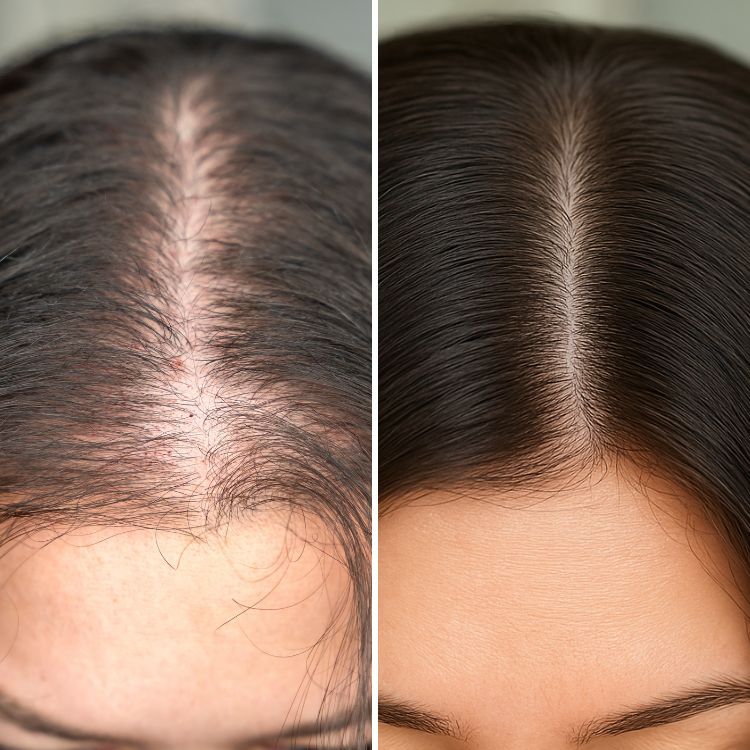
Platelet-rich plasma is prepared from a small sample of blood that is centrifuged to concentrate platelets and growth factors. When injected into the skin or subcutaneous tissues, PRP may support collagen production and tissue remodeling. PRP is often used for skin rejuvenation, improvement of acne scarring, and hair restoration procedures.
What are dermal fillers?
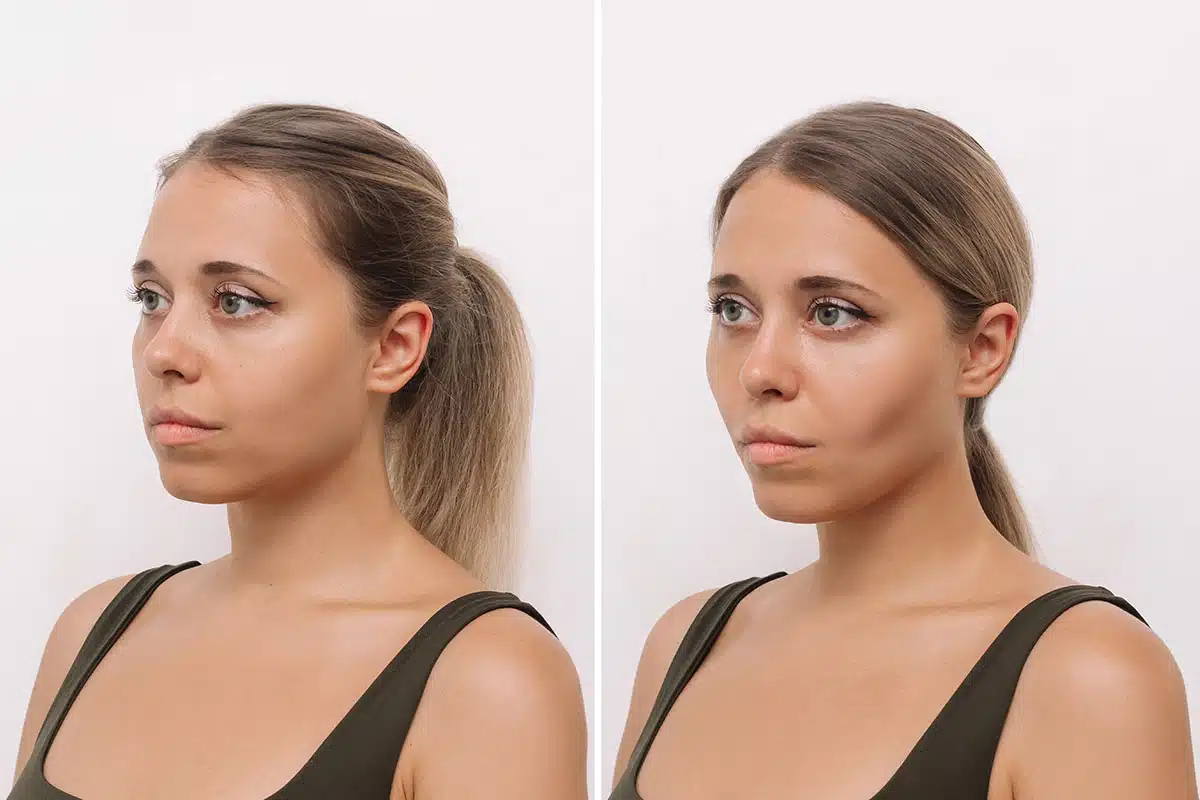
Dermal fillers are injectable gels placed beneath the skin to restore lost volume, smooth wrinkles, and refine contours. Hyaluronic acid (HA) fillers are reversible with an enzyme called hyaluronidase and commonly used for cheeks, lips, nasolabial folds, and under-eye hollows. Other filler materials also exist but may have different longevity and risk profiles.
PRP and Filler Injections in Dubai: What to expect
Consultation and assessment
An initial consultation typically includes a medical history review, discussion of aesthetic goals, and examination of the treatment area. Practitioners often photograph baseline appearance and explain possible alternatives, expected outcomes, and risks. Confirm credentials and licensing—clinics in Dubai may be regulated by authorities such as the Dubai Health Authority (DHA).
Procedure steps
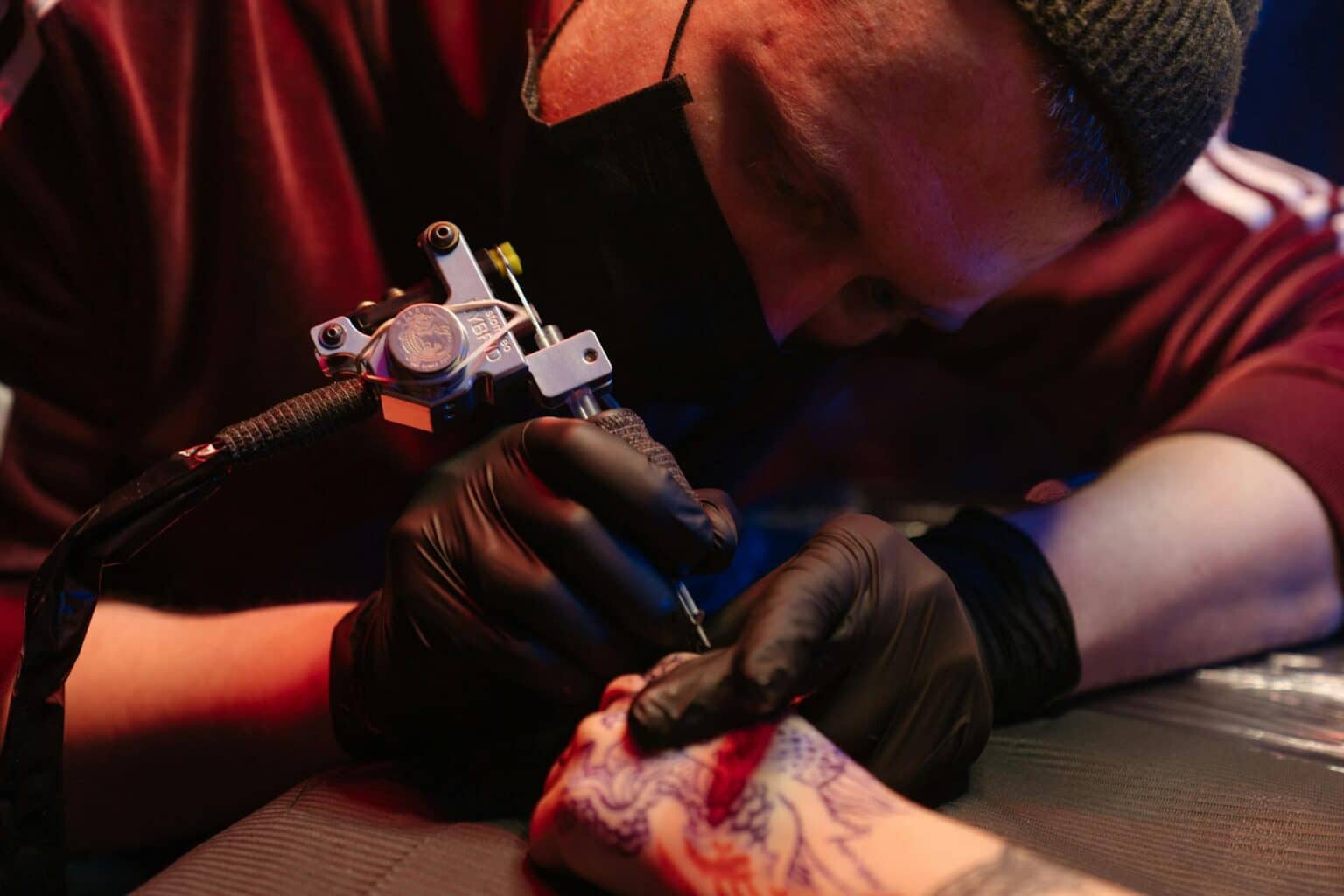
Procedures vary by technique. For PRP, blood draw and centrifugation precede injections, which may be placed superficially for skin rejuvenation or deeper for scar treatment. For fillers, topical or local anesthesia is frequently used to improve comfort, and precise placement by an experienced injector influences aesthetic results and safety. Combination sessions may involve PRP injected after microneedling or alongside filler placement in separate layers.
Recovery and downtime
Common short-term effects include redness, mild swelling, bruising, and tenderness. Downtime is typically limited to a few days, though some individuals may experience bruises that last longer. Instructions commonly include avoiding strenuous exercise, alcohol, and heat exposure for 24–48 hours. Results timeline depends on the product and the biological response: filler effects are often immediate for volume, while PRP changes may develop over several weeks as collagen remodels.
Safety, risks, and choosing a provider
Potential risks
Risks associated with injections include infection, bruising, swelling, asymmetry, lumps, and in rare cases vascular complications. Hyaluronic acid fillers can be dissolved with hyaluronidase if necessary. PRP carries low risk of allergic reaction because it is autologous (from the patient), but sterile technique and proper handling are essential to minimize infection risk.
Provider qualifications
Select a licensed clinic and an injector with documented training in facial anatomy and complication management. Ask about experience with specific treatments, before-and-after photos, and emergency protocols. Local regulatory bodies such as the Dubai Health Authority set standards for clinical practice; verify that the clinic and practitioner comply with these regulations.
Costs, longevity, and maintenance
Typical costs
Costs vary depending on the clinic, product used, and treatment area. PRP sessions and filler syringes are often billed separately; some treatment plans recommend a series of PRP sessions for optimal collagen stimulation. Obtain an itemized quote and understand follow-up or touch-up costs before proceeding.
How long results last
Hyaluronic acid fillers typically last from several months up to two years depending on the product and treatment area. PRP effects may be gradual and variable; some individuals notice improvements lasting months as tissue remodeling occurs. Many patients choose periodic maintenance treatments to sustain outcomes.
Regulation and evidence
Treatment standards, available products, and clinic licensing are overseen by local health authorities and professional societies. For region-specific guidance and clinic verification, refer to the Dubai Health Authority for regulatory information and recommendations on licensed facilities and permitted procedures. Dubai Health Authority
Research and clinical sources
Evidence for PRP and filler effectiveness comes from a mix of clinical studies and practitioner-reported outcomes. Peer-reviewed journals and professional organizations such as the American Society for Aesthetic Plastic Surgery and dermatology journals publish clinical data on safety and indications for injectables.
Making an informed choice
Questions to ask before treatment
- Is the clinic licensed by the local health authority?
- What are the provider’s qualifications and experience with this combination approach?
- Which products will be used, and what are their expected results and longevity?
- What are the aftercare instructions and the process for managing complications?
Frequently asked questions
How soon are results visible after PRP and filler injections in Dubai?
Filler results are often visible immediately for volume and contour changes; final settling can take up to two weeks. PRP-related improvements in skin texture and collagen may emerge over several weeks to months as biological remodeling occurs.
Are PRP and filler injections safe for all skin types?
PRP is autologous and generally compatible with all skin types, while filler safety depends on the filler material and injection technique. Skin type does not eliminate the need for careful assessment of medical history, allergies, and infection risk. A licensed practitioner can advise on suitability.
Can both treatments be done in a single session?
Combination treatments are common and can be performed in a single visit or staged depending on the treatment plan. Timing and sequence are determined by the clinician’s protocol and patient goals.
What should be done if a complication occurs?
Contact the treating clinic promptly. Recognized practitioners have protocols for managing complications, including treating vascular events, infection, or nodule formation. Immediate attention improves the chance of a favorable outcome.