Red Panda Expedition: A Practical Guide to Seeing Red Pandas in the Wild
-

- Published Updated
- 1,795 views

Planning a red panda expedition requires knowledge of where red pandas live, how to minimize disturbance, and what seasons and permits affect sightings. Red pandas (Ailurus fulgens) inhabit temperate bamboo forests at mid-to-high elevations in the eastern Himalaya and southwestern China; an expedition that respects habitat, local communities, and legal protections increases the chance of seeing them while supporting conservation.
- Red panda expeditions focus on high-elevation bamboo forests in Nepal, Bhutan, India, and China.
- Work with experienced local guides, follow park rules, and avoid night disturbance—red pandas are crepuscular and sometimes nocturnal.
- Conservation context: red pandas face habitat loss and fragmentation; consult official sources such as the IUCN Red List for status and threats.
Where to go on a red panda expedition
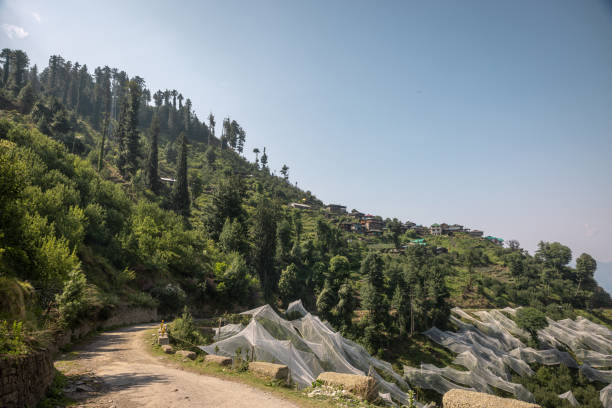
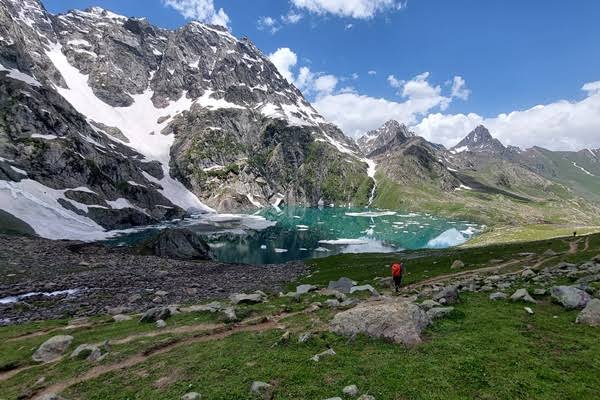
Red panda country spans the eastern Himalayas and adjacent mountains in southwestern China. Notable regions for organized expeditions and independent trekking include northeastern India (Arunachal Pradesh, Sikkim), eastern Nepal (especially near protected areas such as Langtang and Ilam foothills), Bhutan, and Sichuan and Yunnan provinces in China. Elevational range typically falls between 1,800 and 4,000 meters, where temperate forests with dense bamboo understory occur.
Red panda expedition timing and seasonality
Best seasons to visit
Spring and autumn are often the best times for sightings because weather is more stable and trails are accessible. Winter may concentrate animals at lower elevations but can bring heavy snow. Monsoon months reduce trekking safety and visibility.
Daily activity patterns
Red pandas are largely crepuscular—most active at dawn and dusk—and may be active at night. Early-morning and late-afternoon stakeouts along bamboo slopes, feeding areas, and hollow trees increase chances of observation without prolonged intrusion.
How to prepare: permits, guides, and logistics
Permits and local regulations
Many parks and reserves require permits or registered guides. Contact local park authorities or national tourism offices ahead of travel. Respect protected-area rules such as restricted zones, maximum group sizes, and no-camping areas.
Choosing a guide and operator
Use guides with wildlife experience and knowledge of red panda behavior. Local biodiversity conservation groups, community-run homestays, or park rangers often provide the best combination of local knowledge and ethical practices.
Responsible viewing and wildlife ethics
Minimize disturbance
Keep noise to a minimum, avoid using bright lights at night, and maintain a respectful distance. Do not attempt to lure or feed animals. Observing with binoculars or camera telephoto lenses reduces the need to approach sensitive individuals.
Support local communities
Choose accommodations and guides that share benefits with local communities. Community-based conservation initiatives often help protect red panda habitat while providing local livelihoods.
What to bring on a red panda expedition
- Binoculars and a camera with a telephoto lens
- Layered clothing suitable for variable mountain weather
- Field guide or species identification app for mammals and birds
- Trail maps, permits, and emergency communication devices
Conservation context and authoritative sources
Red pandas are classified as threatened due to habitat loss, fragmentation, and, to a lesser extent, poaching and inbreeding in isolated populations. Conservation efforts include protected areas, habitat restoration, anti-poaching patrols, and research using camera traps and population surveys. For the most up-to-date conservation status and recommended actions, consult the IUCN Red List entry for Ailurus fulgens: IUCN Red List: Ailurus fulgens.
Safety and health considerations
Altitude and terrain
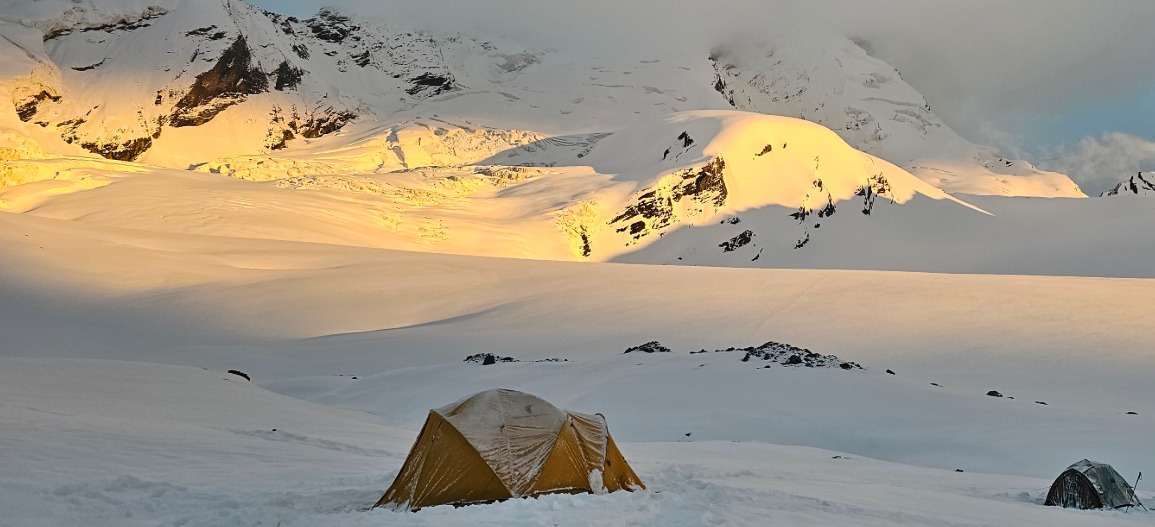
Many red panda habitats are at considerable altitude. Acclimatize gradually, recognize altitude sickness symptoms, and carry basic first-aid and warm clothing. Trails can be steep and slippery; use appropriate footwear and trekking poles where needed.
Biosecurity
Prevent disease transmission by cleaning boots and equipment between sites, following park-disinfection protocols if required, and avoiding contact with wildlife. This helps protect both animals and people.
Research and monitoring methods often used on red panda expeditions
Conservation research commonly uses camera traps, fecal DNA sampling, and habitat surveys to estimate population numbers and connectivity. Citizen science programs and volunteer surveys can contribute valuable data when coordinated with researchers and park authorities.
Final considerations for travelers
A successful red panda expedition balances realistic expectations, careful planning, and respect for wildlife and local communities. Sightings are never guaranteed, but following best practices enhances both the experience and long-term protection of red panda country.
FAQ
What is the best time to plan a red panda expedition?
Spring and autumn are often optimal because trails are accessible and weather is stable; early-morning and late-afternoon periods are best for sightings.
How can a red panda expedition support conservation?
Support community-run lodges, hire local guides, follow park rules, and contribute to authorized research or local conservation funds. Avoid activities that disturb animals or degrade habitat.
Are red pandas dangerous to humans?
Red pandas are shy, non-aggressive animals. Attacks are extremely rare; standard wildlife precautions—maintaining distance and not feeding—are sufficient to reduce any risk.
Can red pandas be seen in captivity or sanctuaries instead of on a red panda expedition?
Captive facilities and accredited sanctuaries can offer guaranteed viewing and educational opportunities, but observing animals in the wild provides different ecological context. When visiting captive sites, choose accredited institutions that participate in conservation and breeding programs.