Refrigeration: A Complete Guide to Keeping Food Fresh and Safe
-
- Published Updated
- 48 views
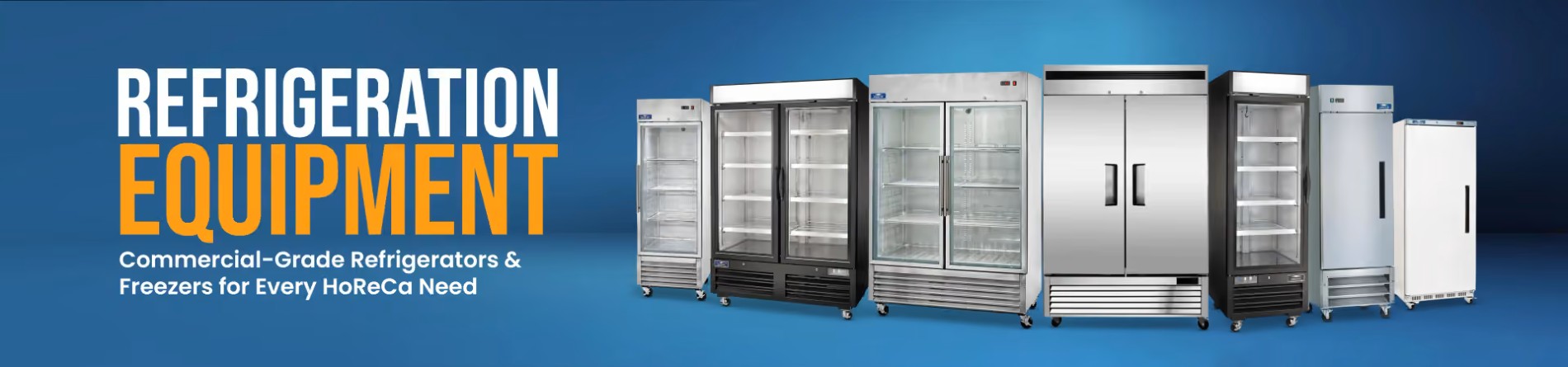
Refrigeration is one of the most important parts of any commercial kitchen, restaurant, café, bakery, hotel, or food business. From storing fresh vegetables and dairy products to keeping meat, seafood, and prepared food at the right temperature, a good refrigeration system helps businesses maintain food quality and reduce unnecessary waste.
In a busy food-service environment, refrigerators are working almost continuously. That is why choosing the right equipment is not simply about finding a machine that gets cold. Businesses need refrigeration equipment that offers reliable performance, enough storage space, easy cleaning, and consistent temperature control.
Why Is Refrigeration Important?
Food can spoil quickly when it is exposed to unsuitable temperatures. Refrigeration slows down the growth of bacteria and helps perishable products remain fresh for longer. This is particularly important for restaurants and commercial kitchens where large quantities of food are stored every day.
Proper refrigeration also helps maintain the taste, texture, and appearance of food. Fresh produce can lose its quality when stored incorrectly, while dairy products, meat, seafood, and other temperature-sensitive ingredients require controlled storage conditions.
For a food business, reducing spoilage can also mean reducing costs. When ingredients are stored properly, there is less chance of throwing away food before it can be used.
Different Types of Refrigeration Equipment
Commercial kitchens have different storage requirements, so one refrigerator may not be suitable for every business. Several types of refrigeration equipment are commonly used in the food-service industry.
Reach-In Refrigerators
Reach-in refrigerators are a common choice for restaurants, cafés, hotels, and other commercial kitchens. They provide convenient access to ingredients and are available in different sizes and configurations.
Because staff can quickly reach the stored products, these refrigerators are useful during busy service hours. They can be used for vegetables, sauces, dairy products, beverages, prepared meals, and many other ingredients.
Undercounter Refrigerators
When kitchen space is limited, an undercounter refrigerator can be a practical option. These units fit underneath work counters and provide additional storage without taking up valuable floor space.
They are especially useful in smaller kitchens, bars, cafés, and food preparation areas where employees need ingredients close to their workstations.
Walk-In Refrigeration
Large restaurants, hotels, supermarkets, catering companies, and food-service operations may need significantly more storage space. Walk-in refrigerators provide a larger temperature-controlled area where businesses can store substantial quantities of food and beverages.
They are particularly useful for operations that receive large deliveries and need to keep ingredients organized before they are used.
Display Refrigerators
Display refrigeration combines storage with presentation. These units are often used in convenience stores, cafés, bakeries, supermarkets, and restaurants where customers need to see the products.
Glass doors and clear displays make it easier for customers to view beverages, desserts, prepared foods, and other refrigerated products while keeping them at suitable temperatures.
Choosing the Right Refrigeration Equipment
Selecting refrigeration equipment should be based on the actual needs of the business. Buying the biggest refrigerator available is not always the best solution.
First, consider the available kitchen space. Measure the area carefully and make sure there is enough room for the equipment as well as proper access for staff.
Storage capacity is another important factor. Think about the amount of food normally stored during a typical working week. A unit that is too small can quickly become overcrowded, while an unnecessarily large unit can take up space and increase operating costs.
Temperature control should also be considered. Different foods may have different storage requirements, so consistent temperature performance is important for maintaining product quality.
Ease of cleaning is another factor that should not be overlooked. Commercial refrigeration equipment is used frequently and should be designed in a way that makes routine cleaning and maintenance straightforward.
Refrigeration and Energy Efficiency
Commercial refrigerators can operate for long periods, meaning energy consumption can have an impact on operating expenses. Choosing efficient equipment can help a business manage these costs over time.
Simple habits can also make a difference. Avoid leaving refrigerator doors open longer than necessary, keep door seals in good condition, and avoid overloading shelves. Regular cleaning and maintenance can also help refrigeration equipment operate properly.
Businesses should also consider the location of the refrigerator. Placing equipment near heat-producing appliances or in areas with poor ventilation can make it work harder than necessary.
Refrigeration for Restaurants and Food Businesses
Every food business has its own requirements. A small café may need a compact undercounter refrigerator, while a large restaurant may require several reach-in units along with a walk-in refrigerator.
The key is to match the equipment with the menu, storage volume, kitchen layout, and daily workload.
The Horeca Store USA provides refrigeration solutions for food-service environments where dependable cold storage is an important part of daily operations. Having access to suitable commercial kitchen equipment can make food preparation and storage much more organized.
Whether a business is setting up a new kitchen or replacing older equipment, refrigeration should be treated as a long-term investment rather than simply another kitchen appliance.