How to Hire Friendly Nannies and Housekeepers: A Practical Guide for Reliable Family Help
-

- April 29th, 2026
- 105 views

Get a free topical map and start building content authority today.
Finding reliable care and support at home starts with knowing where to look and how to evaluate candidates. This guide focuses on practical steps to hire friendly nannies and housekeepers, with a clear checklist, legal considerations, and real-world tips to protect the family and the household worker.
- Define needs (hours, duties, child care vs housekeeping).
- Use a structured vetting process: references, background checks, trial shifts.
- Create a written agreement and plan for taxes, benefits, and emergencies.
Detected intent: Informational
Find Friendly Nannies and Housekeepers: where to start
Begin by clarifying the household's priorities. A clear job description saves time and attracts suitable candidates. List daily tasks, expected hours, any special skills (infant CPR, allergy-aware cooking, pet care), and whether the role includes childcare, housekeeping, or both. When the job is clear, outreach choices become straightforward: local nanny networks, community bulletin boards, accredited childcare agencies, or trusted online marketplaces. Each channel brings a different balance of screening, cost, and control.
How to choose: vetting, checks, and interview structure
Write a precise job listing
Include schedule, pay range, duties, required certifications, and whether live-in is considered. Transparency in the posting reduces mismatched applications.
Structured interview approach
Ask consistent questions to compare candidates fairly: previous roles and responsibilities, childcare philosophies, approach to household routines, and availability. Use situational questions (e.g., "How would you handle a child with an allergic reaction?") and request two or more recent references.
Background checks and legal basics
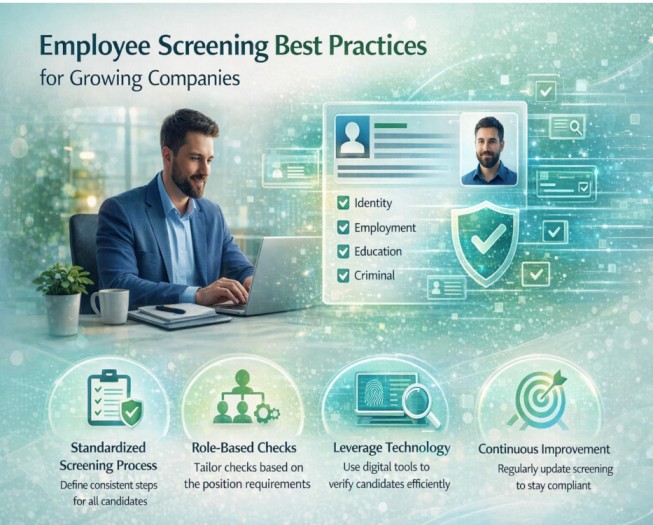
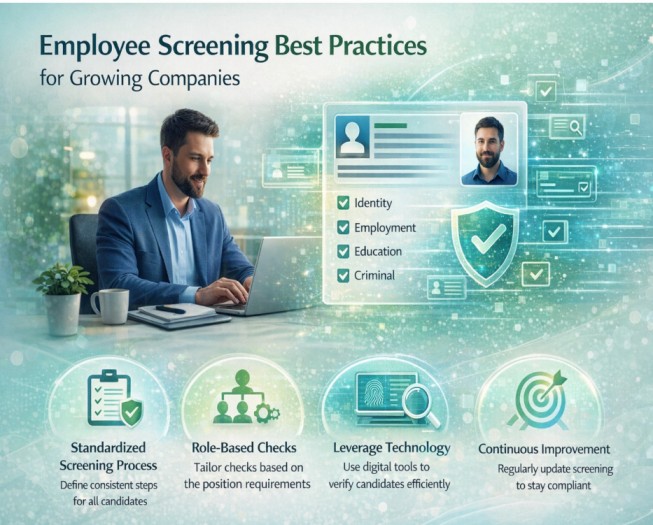
Run identity verification and a criminal background check where legally permitted and appropriate. For households in the U.S., domestic worker employment carries wage, tax, and overtime rules; consult official guidance such as the U.S. Department of Labor — Domestic Workers for jurisdictional responsibilities. Keep records and follow fair-hiring laws, including non-discrimination requirements.
CARE checklist: a named framework for hiring and onboarding
Use the CARE checklist as a practical framework to evaluate and onboard household staff:
- C — Check credentials and identity: verify ID, certifications (CPR), and permits.
- A — Agree terms in writing: duties, hours, pay, sick leave, and termination notice.
- R — References and a trial shift: speak to past employers and schedule a supervised trial day.
- E — Emergency and expectations plan: medical contacts, child allergies, and a clear communication routine.
Real-world example
Scenario: A two-working-parent household needs a part-time nanny who can also keep light housekeeping during childcare hours. The family posts a detailed listing, requiring CPR certification and two references. After interviews, one candidate completes a four-hour trial while parents work from home. The family confirms references and arranges a background check before offering a three-month probation contract with an outlined schedule, pay, and communication check-ins every two weeks. This structured approach reduced turnover and clarified expectations early.
Practical tips for smooth hiring and long-term reliability
- Set a realistic pay range based on local market rates and the complexity of duties—competitive pay improves retention.
- Use a short probation period (30–90 days) with scheduled performance check-ins to align expectations.
- Document responsibilities and emergency procedures in a simple homeowner handbook the worker can reference.
- Consider cross-training: a nanny who understands basic housekeeping tasks and a housekeeper trained in child-safe cleaning can add flexibility.
Common mistakes and trade-offs to consider
Common mistakes
- Hiring without references or a trial period—this increases the chance of mismatched expectations.
- Failing to put written terms in place—verbal agreements lead to confusion about pay, hours, and duties.
- Ignoring legal obligations for taxes and labor laws—this can create financial and legal risk.
Trade-offs
Using an agency offers faster placement and structured vetting but usually comes with higher fees and less direct control over selection. Hiring directly may save money and provide more choice but requires more time for screening, background checks, and handling payroll obligations. Live-in arrangements can be cost-effective and ideal for flexible schedules but require clear boundaries and additional privacy and housing considerations.
Core cluster questions
- How should families structure a job description for a part-time nanny-housekeeper hybrid?
- What background checks and references are appropriate when hiring household staff?
- How do tax and employment laws affect paying a nanny or housekeeper?
- What are best practices for onboarding and first-week trial shifts?
- How can families balance childcare duties and housekeeping in a single role?
Monitoring performance and maintaining trust
Set clear communication rhythms: weekly check-ins, shared calendars for schedules, and written feedback notes. Use a log for incidents (accidents, missed schedules) to spot patterns. Offer fair performance-based raises and respect privacy and boundaries to foster long-term trust. When issues arise, address them promptly with constructive feedback and reference the written agreement.
FAQ
How can families find friendly nannies and housekeepers?
Start with a clear job description, use multiple sourcing channels (local networks, agencies, online platforms), and follow a structured vetting process—interviews, references, trial shifts, and background checks—to identify candidates who match household needs.
What should be included in a written agreement with a nanny or housekeeper?
At minimum include duties, hours, pay rate and pay schedule, benefits or paid leave, confidentiality expectations, termination notice, and emergency procedures. Include a probation period and review dates.
Is a background check always necessary?
Background checks are strongly recommended whenever the role involves unsupervised contact with children or access to the home. Follow local laws regarding consent and allowable checks.
How do families handle payroll, taxes, and benefits for domestic staff?
Legal obligations vary by location; employers of domestic workers may need to withhold taxes, pay employer-side taxes, and comply with minimum wage and overtime rules. Consult local labor authorities or a payroll specialist for compliance. Refer to official labor guidance for domestic workers for specifics.
What are signs that a household worker is a long-term fit?
Consistent punctuality, clear communication, positive references from trial periods, flexibility within the agreed duties, and mutual respect for boundaries and privacy indicate a likely long-term fit. Retain documentation of performance reviews and maintain open dialogue about expectations.
Following the CARE checklist, using structured screening, and balancing trade-offs between agency and direct hire will increase the likelihood of finding friendly nannies and housekeepers who reliably support a family’s daily life.