Renovate or Relocate in Canberra: How to Decide if Renovating Your Canberra Home Is Worth It
-

- Published Updated
- 1,322 views
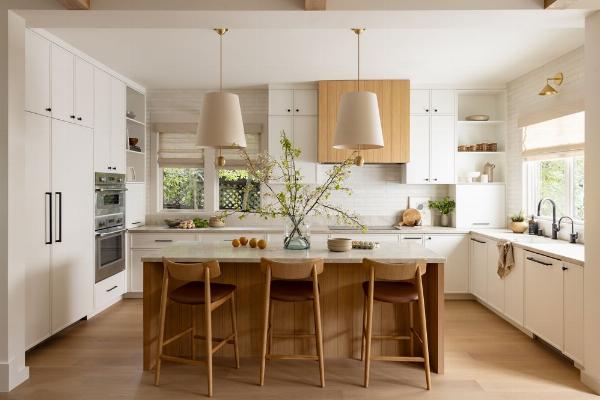
Renovating your Canberra home: key questions to ask before deciding
Deciding between renovating your Canberra home and relocating involves assessing finances, planning approvals, market conditions and lifestyle priorities. Renovating your Canberra home can increase comfort and value, but costs, council requirements and the local housing market in the Australian Capital Territory (ACT) influence whether it is the better choice compared with selling and buying elsewhere.
- Compare renovation cost estimates with likely resale value uplift and long-term living benefits.
- Check ACT planning rules, heritage overlays and building approvals before committing.
- Factor in disruption, timing, and tax or capital gains implications for property changes.
- Obtain multiple quotes, consult local agents, and prioritise energy efficiency and compliance.
Estimate costs, returns and non-financial benefits
Renovation budgets typically include design fees, materials, trades, permits and contingency for unexpected works. For many homeowners the decision rests on return on investment (ROI): how much value the work adds compared with the cost. Beyond resale value, consider non-financial benefits such as improved liveability, reduced maintenance and lower energy costs from better insulation or efficient systems.
Planning, permits and local regulations in the ACT
Many renovation projects require development approval or building permits in the ACT, particularly if they change building envelopes, alter heritage features or affect bushfire or flood overlays. The Environment, Planning and Sustainable Development Directorate (EPSDD) administers planning and building rules for the territory; checking local requirements early reduces the risk of delays or unexpected conditions. Official guidance and application information are available from the ACT planning website for project owners and designers.
Reference: ACT Government planning.
How market conditions and suburb factors affect the choice
Local demand, median prices and the type of buyers in a suburb influence whether specific upgrades will yield a good return. For example, added living space or modern kitchens tend to be attractive in family-oriented suburbs, while energy efficiency and low maintenance may matter more in areas with older owner-occupiers. Consult recent sales data from the Australian Bureau of Statistics and local market reports to benchmark expected outcomes.
Practical steps to evaluate renovating versus relocating
1. Get accurate cost estimates
Obtain detailed quotes from licensed builders and trades for the full scope of work. Include hidden costs such as temporary accommodation, landscaping reinstatement, and longer-term maintenance.
2. Obtain a market appraisal
Speak with at least two local real estate agents to estimate how much value the renovation could add on resale. Agents can advise which improvements most appeal to buyers in the area.
3. Check approvals and timelines
Confirm whether development approval or building permits are needed and estimate how long approvals and construction will take. Projects that materially alter the site often take longer to approve.
4. Prioritise high-impact, low-disruption upgrades
Minor kitchens, bathrooms, paint, flooring and landscaping often deliver good value with limited disruption. Major structural changes or additions can cost more and require grants of consent.
Financial and tax considerations to note
Renovation costs are typically capital investments to a property rather than immediate tax deductions. If the property is an investment, some renovation expenses may be treated differently for tax purposes; seek independent tax advice for specific circumstances. Consider stamp duty and other transaction costs when comparing moving to a different property versus renovating the current home.
When relocating may be the better option
Relocation can make sense when renovations are extensive and the homeowner prefers a different neighbourhood, needs a materially different property layout, or market conditions suggest selling now will free capital to buy a more suitable home. Time-sensitive personal reasons such as job changes and school catchments also affect the decision.
Checklist before committing to a renovation
- Obtain at least three written quotes and a detailed scope.
- Confirm all required permits and estimated approval times with ACT planning authorities.
- Assess likely resale impact using local sales data and agent advice.
- Plan for contingency funds (commonly 10–20% of the budget).
- Consider energy-efficiency upgrades to reduce running costs and increase appeal.
Next steps and local resources
Gather quotes, speak with local agents and consult ACT planning resources to map a realistic timeline and budget. Official statistics and planning guidance from national and territory bodies can provide context for market and regulatory matters.
FAQ: Is renovating your Canberra home worth it?
How much does a typical Canberra home renovation cost?
Costs vary widely by scope and finish levels. Small cosmetic projects may cost a few thousand dollars, while full kitchen/bathroom redesigns or major additions can run into tens or hundreds of thousands. Obtain local quotes and include contingency.
Will renovations increase my property value in Canberra?
Certain renovations—modern kitchens, bathrooms, energy-efficient upgrades and sensible additions—often improve marketability and potential sale price. The uplift depends on the suburb, the quality of work and current market demand.
Do renovation projects need ACT approvals?
Some projects require development approval or building permits in the ACT, especially when altering building envelopes, heritage elements or protected areas. Check with the Environment, Planning and Sustainable Development Directorate for specific requirements.
How long does a renovation typically take in Canberra?
Timelines depend on size and approvals: minor renovations might take weeks, moderate projects a few months, and major work with planning approvals can take six months or more including permit time. Allow additional time for inspections and unexpected delays.