Residential Security System Estimate
-
- Published Updated
- 59 views
Residential Security System Quote
A residential security system quote can help homeowners understand the equipment, installation, and services required to protect their property. Security needs can vary significantly between homes, so the total cost depends on factors such as property size, number of entry points, camera coverage, sensors, installation requirements, and monitoring options.
Getting a detailed quote allows homeowners to review the proposed security setup and understand the expected costs before moving forward.
1. What Does a Residential Security System Include?
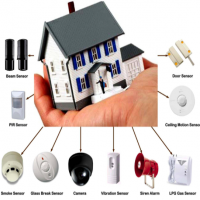
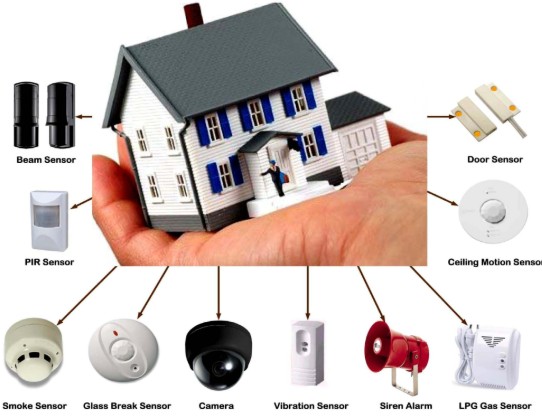
A residential security system can combine several technologies to provide coverage throughout a property. Depending on individual requirements, a system may include security cameras, motion sensors, door and window sensors, alarms, smart locks, video doorbells, and mobile notifications.
Homeowners can select equipment based on the areas they want to monitor and the level of connectivity they need.
2. Factors That Determine Security System Cost
The price of a residential security system depends on the equipment and services included in the installation. A smaller property may require only a few devices, while a larger home may need multiple cameras, sensors, and monitoring equipment.
Factors that may affect the quote include:
Number of cameras
Number of doors and windows
Indoor and outdoor coverage
Wireless or wired installation
Camera features
Recording and storage requirements
Alarm equipment
Smart-home integration
Installation complexity
Professional monitoring
Reviewing these factors can help homeowners understand why security system quotes may differ.
3. Home Security Camera Installation Quote
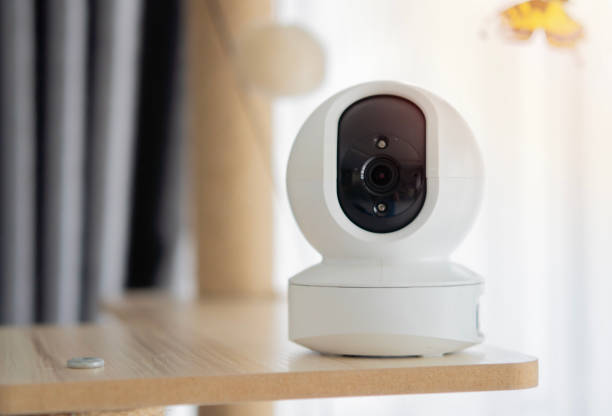
Security cameras are an important part of many residential security systems. A camera installation quote may include the cost of cameras, mounting equipment, installation labor, configuration, and recording or storage services.
Outdoor cameras may require weather-resistant equipment and careful positioning to provide useful coverage of entrances, driveways, garages, and yards.
Indoor cameras can be positioned near entryways, hallways, or other areas that require monitoring.
4. Wireless Residential Security Systems
Wireless security systems can provide flexible options for existing homes and properties where extensive cable installation may not be practical. Wireless cameras and sensors can communicate through a properly configured network.
When reviewing a wireless security quote, homeowners should consider Wi-Fi coverage, device compatibility, power requirements, battery life, storage options, and network reliability.
A wireless system can also make it easier to add compatible devices if security requirements change in the future.
5. Professional Security Installation
Professional installation can be included as part of a residential security system quote. Installation requirements depend on the number of devices, property layout, mounting surfaces, wiring, power availability, and network configuration.
A professional installer can help position cameras and sensors appropriately and configure connected equipment.
After installation, homeowners can also learn how to access mobile applications, review camera footage, manage notifications, and use other available system features.
6. Home Security Monitoring Services
Some residential security systems can be connected to professional monitoring services. Depending on the service, monitoring may provide notifications related to alarms, sensors, motion detection, and other connected devices.
When reviewing a quote, check whether monitoring is included or billed separately. Homeowners should also review monthly costs, contract terms, equipment requirements, and available monitoring features.
Understanding these details can help avoid unexpected ongoing expenses.
7. Comparing Residential Security Quotes
Homeowners may receive different quotes based on the equipment and services recommended. When comparing quotes, look beyond the initial installation price.
Consider the number and type of cameras, sensors, recording options, installation services, warranties, monitoring costs, and recurring fees.
A detailed comparison can help homeowners understand what they are receiving for the quoted price and identify differences between available security packages.
8. Customized Security System Planning
A customized security system can be designed around the specific layout and requirements of a property. Important areas may include front and rear entrances, windows, garages, driveways, outdoor spaces, and interior access points.
A customized quote can account for the number of devices required and the installation conditions at the property.
Homeowners can discuss their security priorities and technology preferences before selecting equipment and services.
A home security system estimate helps homeowners understand the potential cost of protecting their property with modern security technology. The total price can vary depending on the size of the home, number of entry points, camera coverage, equipment selected, installation requirements, and monitoring services.
9. Request a Residential Security System Quote
Before requesting a quote, homeowners should identify the areas they want to monitor and the features they need. This may include outdoor cameras, indoor cameras, motion detection, smart locks, alarms, mobile notifications, video storage, or professional monitoring.
A detailed quote can provide a clearer overview of equipment, installation, and ongoing service costs.
For more information about wireless home security cameras, residential security systems, installation, and monitoring solutions, visit Wireless Home Security.
https://wirelesshomesecurity.online/