Glutathione Injections for Skin: Uses, Safety Checklist, Benefits & Risks
-

- May 03rd, 2026
- 646 views
Glutathione injections for skin are an injectable form of the antioxidant glutathione used by some clinicians and cosmetic clinics to target skin brightness, oxidative damage, and overall complexion. Interest has grown because glutathione is a natural antioxidant in the body, but the scientific evidence, dosing standards, and regulatory guidance vary. This guide explains how injections work, summarizes the evidence, lists safety steps, and offers practical tips for people considering the treatment.
- Glutathione is an antioxidant used in some injectable skin-brightening and antioxidant protocols.
- Clinical evidence for consistent skin-lightening benefits is limited and mixed; safety depends on formulation, dose, and provider skill.
- Follow a safety framework (SAFE Injection Checklist below), choose licensed clinicians, and expect monitoring for side effects.
Detected intent: Informational
Glutathione injections for skin: what they are and how they work
Definition and role of glutathione
Glutathione is a tripeptide (glutamate, cysteine, glycine) and a key intracellular antioxidant. In the context of cosmetic medicine, glutathione injections deliver the compound systemically (intravenous or intramuscular) or locally with the goal of reducing oxidative stress and influencing melanin production pathways. Proposed mechanisms include shifting melanin synthesis toward pheomelanin (lighter pigment) and reducing free-radical damage.
Forms and routes
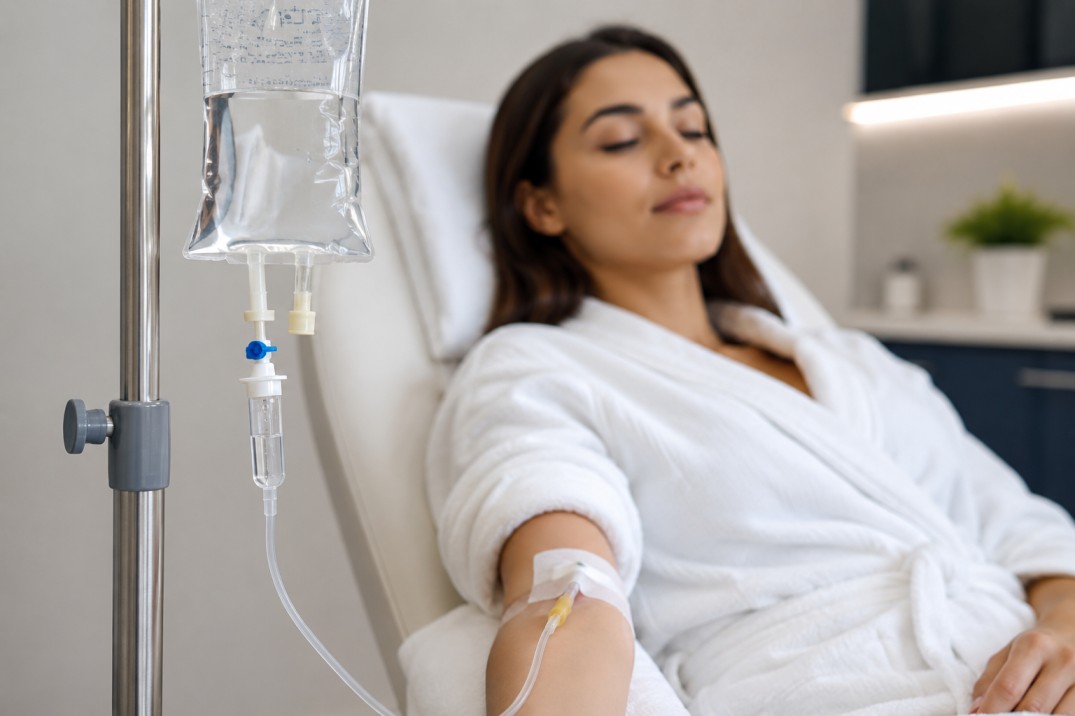
Common administration routes include intramuscular injection and IV infusion; some clinics combine glutathione with other antioxidants or vitamins. The term "glutathione IV therapy benefits" is often used by clinics to describe antioxidant and detox claims, though evidence varies by outcome and population.
What the evidence says
High-quality randomized trials on glutathione injections for skin brightening are limited. Small studies and case series report variable results for skin lightening and oxidative stress markers. Some clinical work suggests short-term improvement in pigmentation for select patients, but long-term safety, optimal dosing, and consistent efficacy are not firmly established. Professional bodies emphasize cautious, evidence-based practice and patient-informed consent.
Clinical evidence should be weighed against known pharmacology: glutathione is rapidly metabolized, so injectable strategies aim to increase systemic availability. Reliable systematic reviews and dermatology society statements provide the best summaries of evidence and safety considerations.
Safety, side effects, and regulatory context
Common and serious side effects
Reported side effects include local injection-site pain, allergic reactions, nausea, and transient changes in liver enzymes. More serious risks relate to non-sterile technique (infection), incorrect dosing, or use of unapproved or compounded products. "Glutathione injection side effects" searches commonly surface case reports of hypersensitivity and rare adverse events; therefore clinical oversight matters.
Regulatory and professional guidance
Regulatory oversight depends on the country. In many jurisdictions, injectables should be sourced and administered by licensed medical professionals. For general guidance on safety and adverse events in cosmetic procedures, see the American Academy of Dermatology's resources on skin-lightening and procedural safety (American Academy of Dermatology).
Procedure: what to expect during a treatment course
Treatment protocols vary widely. A typical approach includes baseline medical assessment, discussion of goals, lab work (as appropriate), and a schedule of injections or infusions over weeks to months. Monitoring for adverse events and objective documentation of skin changes (photographs, validated scales) is part of responsible care.
SAFE Injection Checklist (practitioner checklist)
Use this named checklist to assess safety before, during, and after giving glutathione injections.
- Sterility: Use single-dose vials or pharmacy-compounded products from licensed facilities; ensure aseptic technique.
- Assessment: Full medical history, allergy review, and baseline labs if indicated (liver, renal function).
- Formulation & dosing: Verify active ingredient, concentration, preservatives, and dose; document informed consent about off-label use.
- Education & follow-up: Explain expected outcomes, possible side effects, and arrange scheduled follow-up and emergency contact plan.
Real-world example
Scenario: A 34-year-old patient seeks treatment for uneven pigmentation. After a dermatology consultation, baseline photos and liver enzymes are taken. The clinician discusses limited evidence for skin-lightening and potential risks. The agreed plan: a measured course of intramuscular glutathione injections twice weekly for 12 weeks with monthly review. Progress is documented with photos and patient-reported outcomes; treatment is halted at any sign of adverse reaction. This example highlights clinician assessment, objective tracking, and stopping rules.
Practical tips before choosing injections
- Choose a licensed medical professional (dermatologist, board-certified physician) who documents clinical rationale and informed consent.
- Request product details: manufacturer, lot number, and whether the product is pharmacy-compounded—avoid unknown sources.
- Ask for baseline labs if there is any medical history of liver, kidney, or immune issues; monitor during treatment.
- Set realistic expectations: improvements (if any) may be modest and reversible; combine with approved topical sun protection and epidermal care.
- Keep a treatment diary and photographs to track changes objectively and report side effects promptly.
Trade-offs and common mistakes
Common mistakes include accepting treatment from nonmedical providers, using unverified products, or assuming injections are risk-free because glutathione is a natural compound. Trade-offs involve weighing potential aesthetic benefit against uncertain evidence and possible adverse effects. Another trade-off is cost versus benefit—multiple sessions may be expensive with no guaranteed long-term result.
Core cluster questions (use for related articles or internal links)
- How effective are antioxidant injections for improving skin pigmentation?
- What are the documented side effects of injectable glutathione?
- How do IV glutathione protocols compare with topical skin-lightening treatments?
- What pre-treatment medical tests are recommended before cosmetic injections?
- How should adverse reactions to injectables be reported and managed?
FAQ
Do glutathione injections for skin actually work?
Evidence is mixed. Some small studies and clinical reports show short-term lightening or antioxidant effects in certain patients, but large-scale, long-term randomized trials are lacking. Discuss realistic outcomes with a clinician and request objective documentation if pursuing treatment.
What are the main glutathione injection side effects?
Side effects can include injection-site pain, allergic reactions, nausea, and laboratory changes. Serious complications are rare but can occur with contaminated products or incorrect administration. Immediate medical care is required for signs of severe allergy (difficulty breathing, swelling).
Who should not have glutathione injections?
People with active liver or kidney disease, pregnant or breastfeeding individuals, or those with known allergies to components should avoid these injections unless cleared by a specialist. A clinician should evaluate each case.
How many sessions are typically needed to see results?
Protocols vary from weekly to twice-weekly sessions over several weeks. Any reported benefit may require multiple sessions, and durability is uncertain. A trial period with documented assessment is a practical approach.
How to report a bad reaction to a cosmetic injection?
Seek immediate medical attention for severe reactions. Report adverse events to the clinic and to national health regulators where applicable. Professional societies and regulatory agencies provide reporting pathways and guidance on managing complications.
For reliable professional guidance on procedural safety and skin-lightening concerns, consult resources from recognized dermatology organizations such as the American Academy of Dermatology (AAD).